Le Ossa dei Caprotti” presentation – Chiari (BS) 8 November 2025 – Rassegna della Microeditoria Italiana
This video documents the presentation of my book Le Ossa dei Caprotti held on Saturday 8 November 2025 in Chiari (BS), as part of the Rassegna della Microeditoria Italiana. In the dialogue with Claudio Baroni, I recount the origin of the book, the work on the sources and the reasons that led me to reconstruct a family history marked by myths, conflicts and complex generational transitions
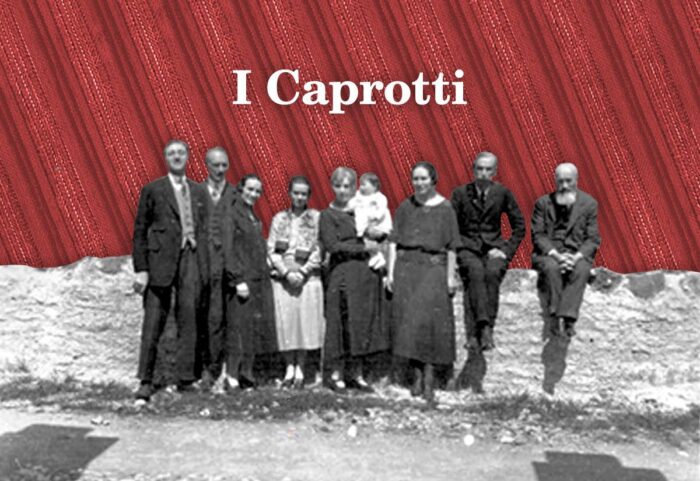
The Caprotti family: from textiles – with Manifattura – to Esselunga
The Caprotti story begins with Antonio del fu Giovanni Battista (1685). The family’s origins lie in agriculture and textiles, until 2009 when, partly due to a sharp drop in orders, the company’s top management decided to close the Manifattura after more than 179 years of activity. In the meantime, the Caprotti family took part in the founding of Esselunga in 1957
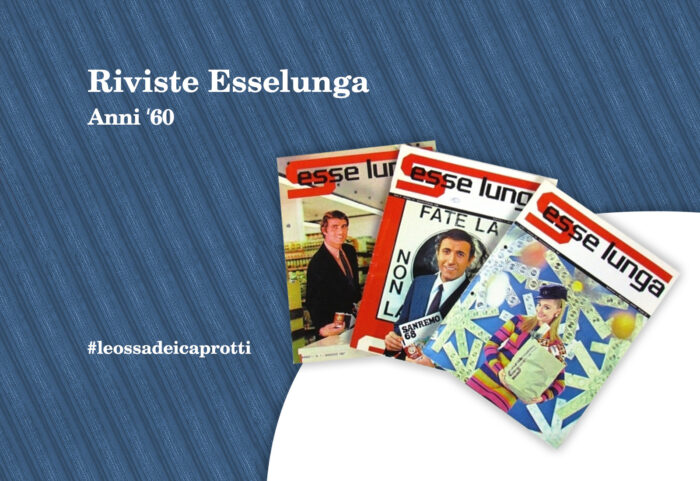
Esselunga: from 1957 to the early 1990s, as recalled by a ‘grocer’s son’
Esselunga’s origins are linked to the history of the city of Milan
Social media, Father Christmas syndrome and Le Ossa dei Caprotti
I am not, a ‘target’, a bank counter, a post office box or Father Christmas. Nor am I a punching ball on which to unload one’s anger with impunity
The Caprotti family: the conflict between brothers Claudio, Guido and Bernardo Caprotti as seen by Marianne Caprotti
“My two youngest sons were both deprived of their jobs and therefore of their lives’. Marianne Caprotti, Bernardo Caprotti’s mother, 1982. History repeated itself later with me. By Giuseppe Caprotti. 1 May, Labour Day
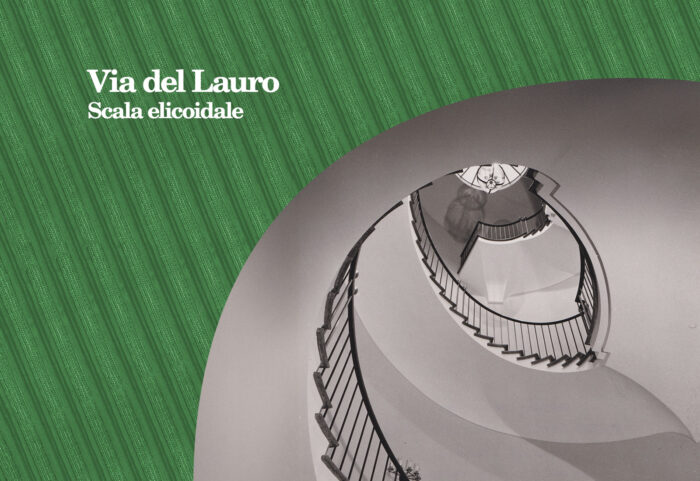
The house in Via del Lauro, the other heart of the Caprotti family
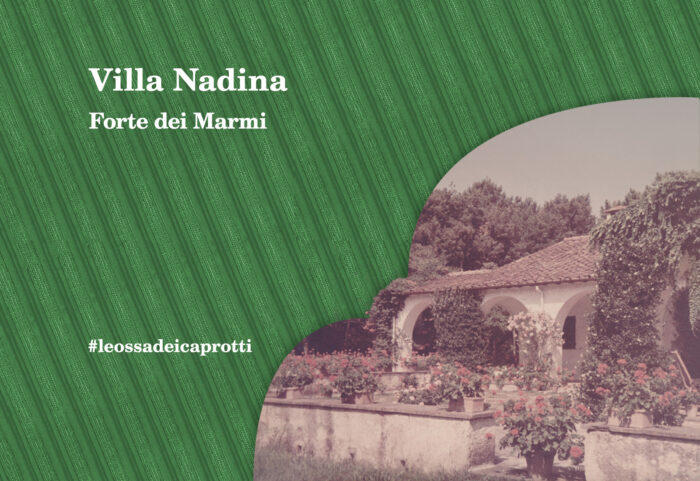
Caprotti family’s residences: Villa Nadina, Forte dei Marmi, 1960s
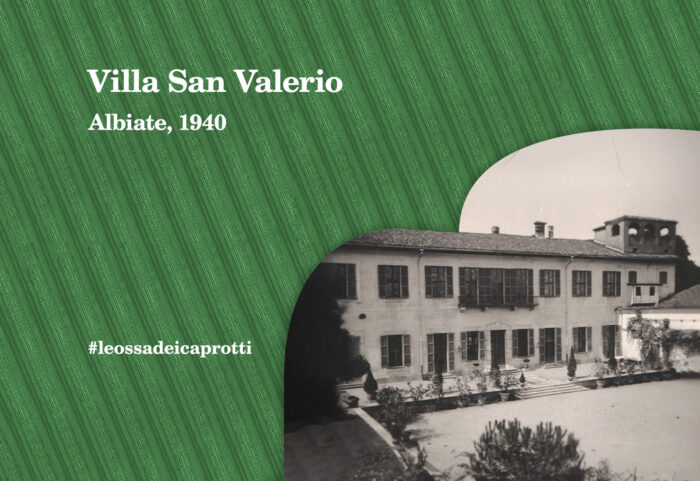
The Caprotti family and their centre: the Villa San Valerio in Albiate
Bernardo Caprotti and Giorgio Della Seta: the ‘duel’ of 1957
New Princes will buy Carrefour Italia supermarkets: the difference between cheer and reality
One cannot improvise as a retailer and, above all, it is not always the case that aggregating several realities, with different cultures, brings strength: the acquisition of Newlat reminds me of the events of Standa and those of Auchan-Conad, but also of the Carrefour- Promodes merger or the events of Walgreens with Boots. Not to mention the lesson of the bankruptcy of Sears or that of the closure of Dominick’s for manifest incompetence