Guido Venosta, Pirelli and the “Records for AIRC”

The “dischi per l’AIRC ” was an important charitable initiative. The first record, titled Cantautori s.r.l. (speranze-rabbie libertà), was released in 1979 and stands as a unique and historic album, bringing together for the first time 13 songs by 13 singer-songwriters — Lucio Dalla, Francesco Guccini, Alan Sorrenti, Edoardo Bennato, Luciano Rossi, Fabrizio De André, Giorgio Gaber, Alberto Radius, Eugenio Finardi, Ivan Graziani, Angelo Branduardi, Francesco De Gregori and Roberto Vecchioni — the creators and defining voices of a new way of making music.

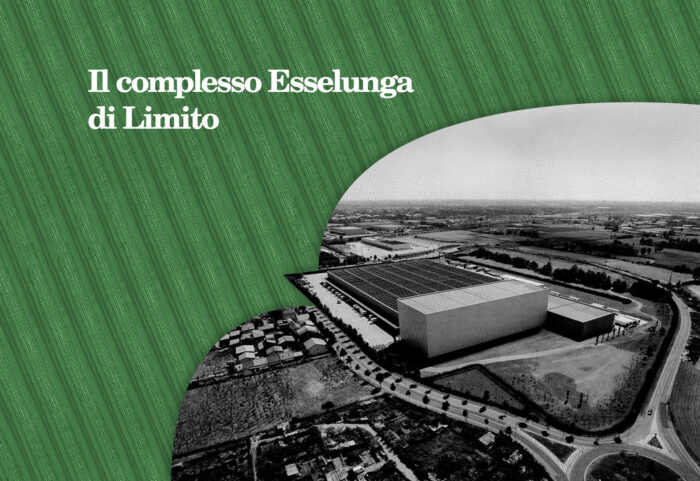
Esselunga- Rewe: the Penny Market joint venture

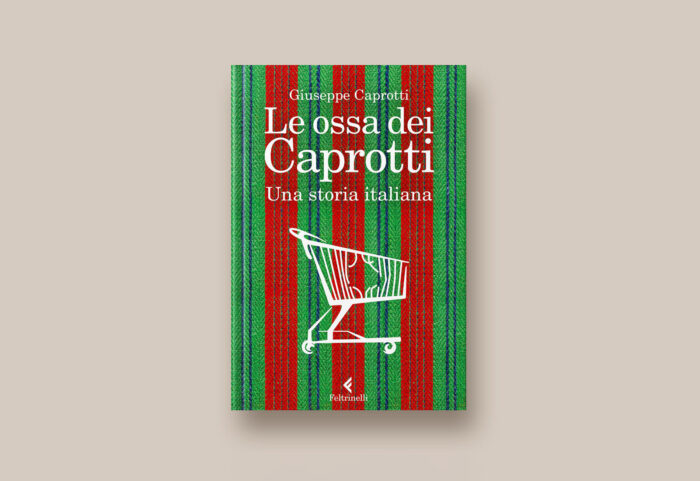
“… We decide to enter into an agreement with the te-desco giant Rewe to create a chain of discount stores to be called Penny Market, controlled with 50 per cent equal shares. A decision by the board of directors is required to start the venture. I vote in favour of our father’s proposal, while his historic lawyer Alfonso Pellegatta is against it…’ Le Ossa dei Caprotti, page 169

Luisa Quintavalle, ‘lady big name’

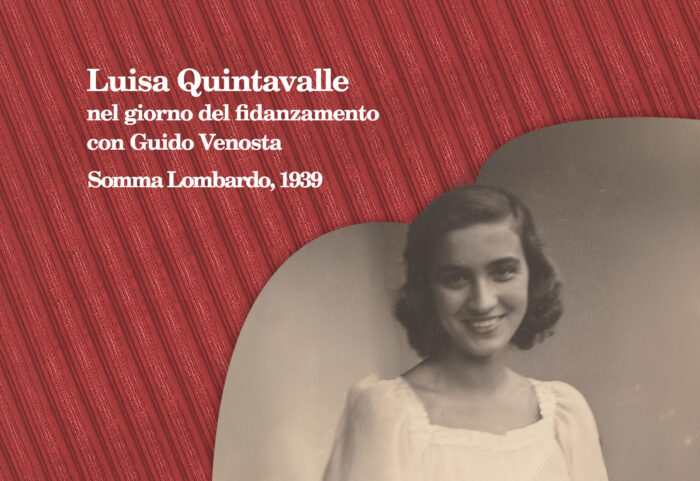
Grandma Luisa was a fascinating mixture of intelligence, culture, fashion and lightness. A translator from French and English for major national publishing houses, author of a volume of poetry, she also had a love of the ‘good life’. She never missed an event, a meeting, a premiere at La Scala, and was always noticed, beautiful among the beautiful, so much so that she was portrayed more than once in the cartoons of the famous journalist and illustrator Bruna Mateldi Moretti, now ‘recognised (…) as a key figure of our cultural twentieth century’.

Elba Island, Tenuta delle Ripalte, the lost paradise of childhood

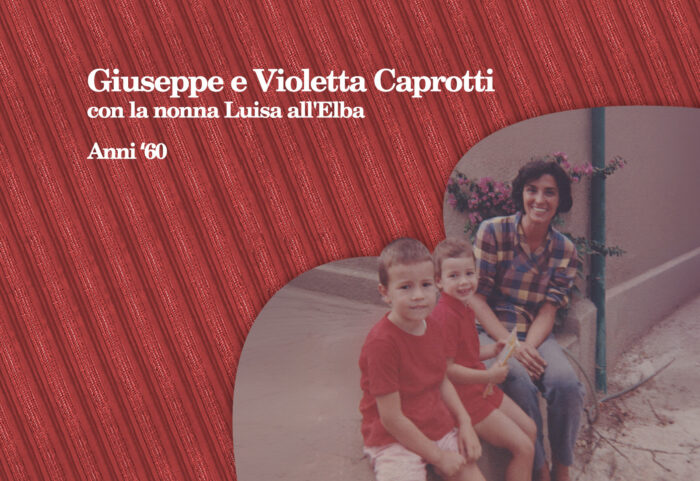
Shortly before the Second World War, Umberto Quintavalle, vice-president of Magneti Marelli and my maternal great-grandfather, bought the marvellous Ripalte estate on the island of Elba and turned it into a place of delight, especially for hunting, but also for relatives and friends to stay. When great-grandfather Umberto died in 1959, the property passed to one of his daughters, my grandmother Luisa Quintavalle, who was married in her second marriage to Marquis Nicolò Theodoli. With her, summer periods at Ripalte are one of the most beautiful childhood memories.

Uncle Beppo Venosta: an original and unconventional personality

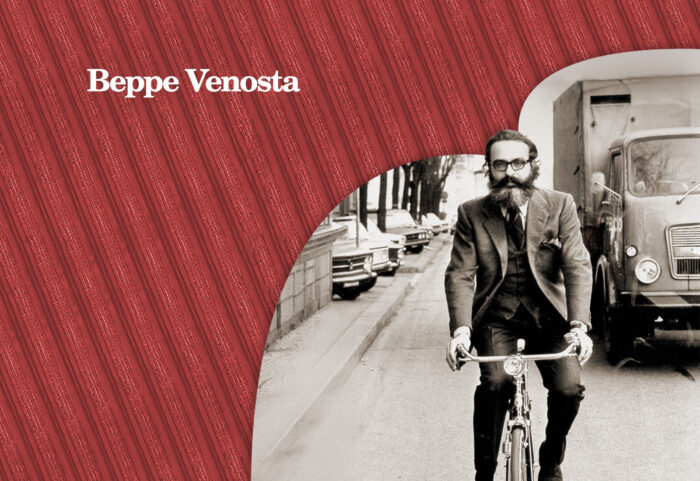
Original and revolutionary Uncle Beppo, my mother Giorgina’s brother, was an original and revolutionary type, a great Carlo Marx-like beard and an active participant in Sixty-Eight and the ’68ism’ that followed. A journalist of great class, foreign correspondent from the Middle East for many years, an ironic and provocative person, he died of cancer, the disease that his father, grandfather Guido Venosta, had fought so long and so effectively with AIRC. Grandfather fortunately did not have to see him, having died the year before.

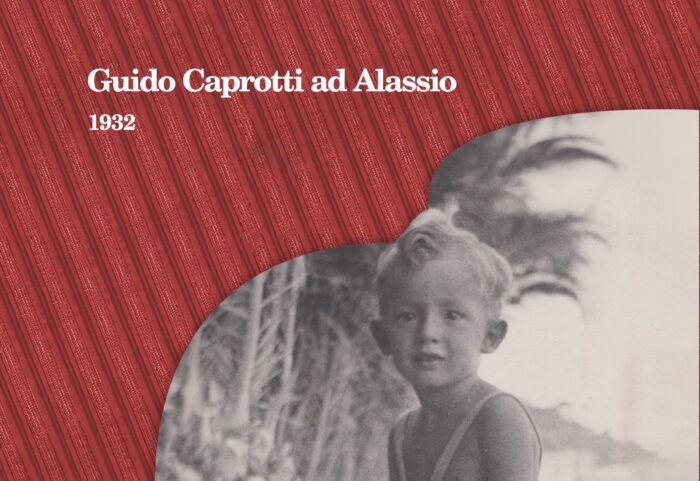
Guido Caprotti, the less famous brother

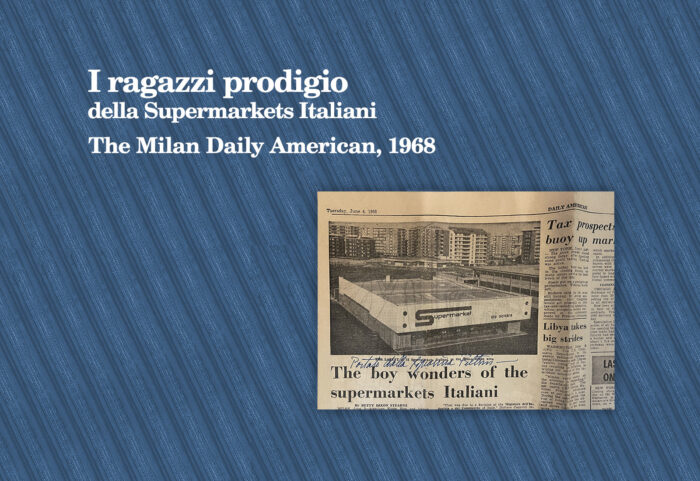
Guido Caprotti was one of the pioneers of large-scale distribution in Italy, a partner from the beginning of ‘Supermarkets italiani’ (later Esselunga), he later founded with Marco Brunelli ‘La Romana Supermarkets’ (later GS). Later he and his brothers bought the majority of Esselunga from the Americans. Despite this role, his name has remained at the margins of the public narrative. Unjustly so. Because to his and Brunelli’s intuition we owe an important part of the start of modern distribution in Italy. It is no coincidence that back in 1959, La Stampa described him as ‘a giant of entrepreneurship’.

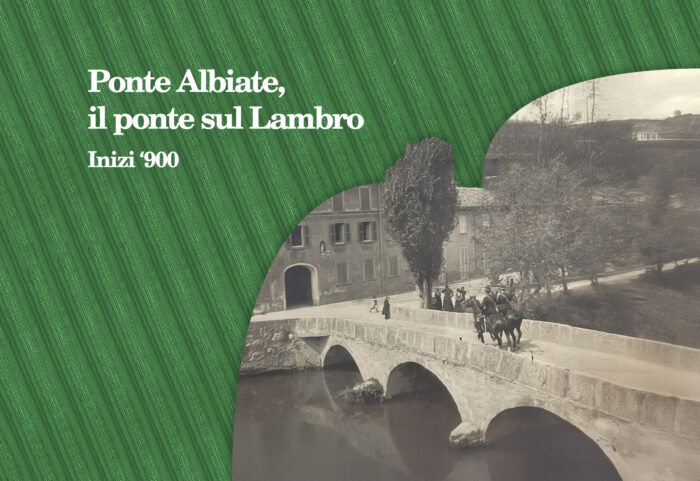
The Albiate bridge and Mayor Peppino Caprotti

In the early 1950s, the 19th-century bridge in Albiate, built at the time of carts and wagons, was now inadequate for modern vehicle traffic and too low to withstand the flooding of the Lambro. The municipal council led by Peppino Caprotti, my grandfather, who was elected mayor in the summer of 1951, began to deal with it, because in that very year the Lambro was still overflowing. During his brief period at the head of the Albiatese municipal administration (he died in a car accident the following year), Peppino had time to lay the foundations for the important project to rebuild the bridge.

Peppino Caprotti, Alberto Sartoris and the school and family chapel projects in Albiate

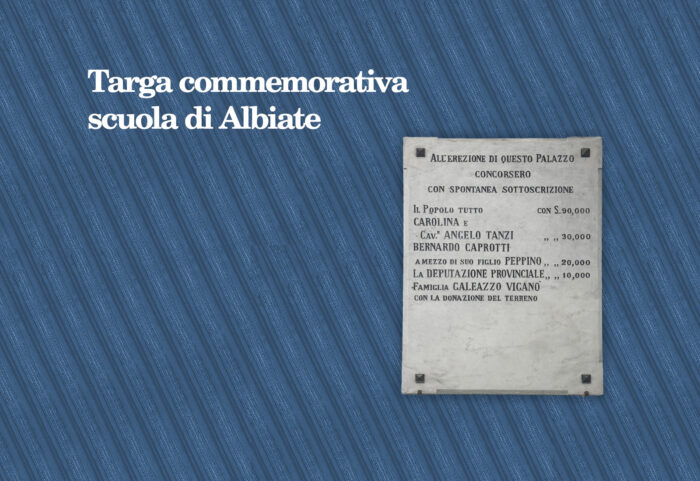
After the First World War, Albiate underwent a phase of great transformation and in 1929 inaugurated the new town hall, destined to serve as town hall, school and clinic, also as a memorial to the 60 fallen and missing in the town. The building was realised thanks to a collective subscription and the contribution of several benefactor families, including the Caprotti family. In the archives of Villa San Valerio emerges the correspondence between my grandfather Peppino Caprotti and the architect Alberto Sartoris, who was commissioned to design both the building and the family chapel in the Albiate cemetery.