Gianni Albertini: the documentary of the expedition, revealing ice and people

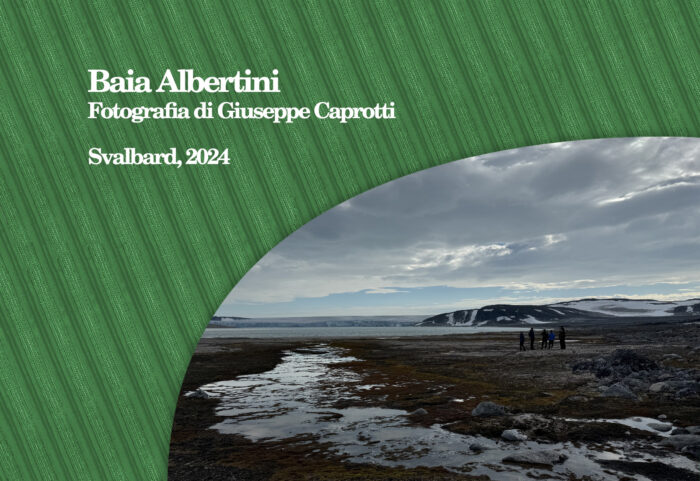
On 18 March 2025, the Leonardo da Vinci National Museum of Science and Technology in Milan hosted an event dedicated to Gianni Albertini and his 1929 HEIMEN-SUCAI Arctic expedition. During the event, documentary filmmaker Christian Cinetto presented the footage that cinematographer Umberto della Valle shot during the months of the journey, which not only captures testimonies but also the emotions and personalities of the protagonists.
Gianni Albertini: The Arctic Expedition in Search of the Missing of the Noble Expedition (1929)

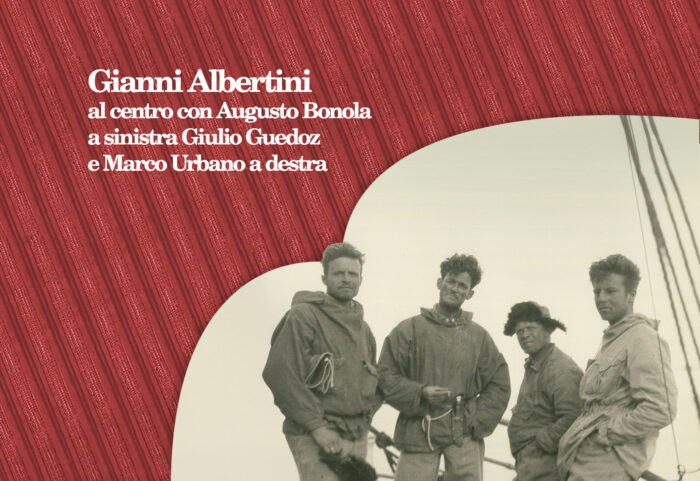
Gianni Albertini had experienced at first hand, as a member of the expedition, the tragedy of the airship Italia, which had crashed into the North Pole pack in the spring of 1928, and of six crewmen who had remained in the airship’s envelope, disappeared in the fog and were never found again. He feels obliged to search for the missing, encouraged by their relatives. The expedition is prepared with an organisational speed that is astonishing even by today’s standards, less than three months, and according to criteria of particular efficiency and intelligence.

Gianni Albertini: supporting the Dirigibile Italia expedition (1928)

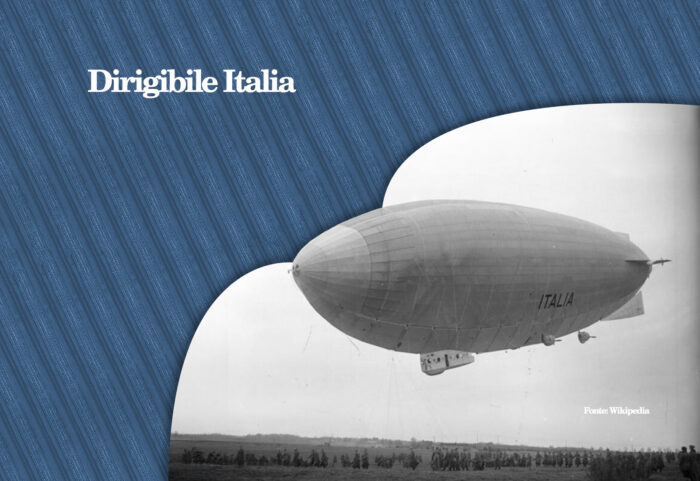
In the spring of 1928, the airship ‘Italia’ expedition, commanded by Colonel Umberto Nobile, set off. The aim was to fly over the North Pole for the first time with a precise programme of geographical exploration and scientific research. Unfortunately, the enterprise ended in a dramatic shipwreck, which mobilised a gigantic chain of rescue operations in which Gianni Albertini, one of the most experienced mountaineers and mountain guides, also took part. He experienced the drama first-hand and knew the Arctic for the first time.

Gianni Albertini: mountaineer, explorer and husband of great-aunt Ida Quintavalle

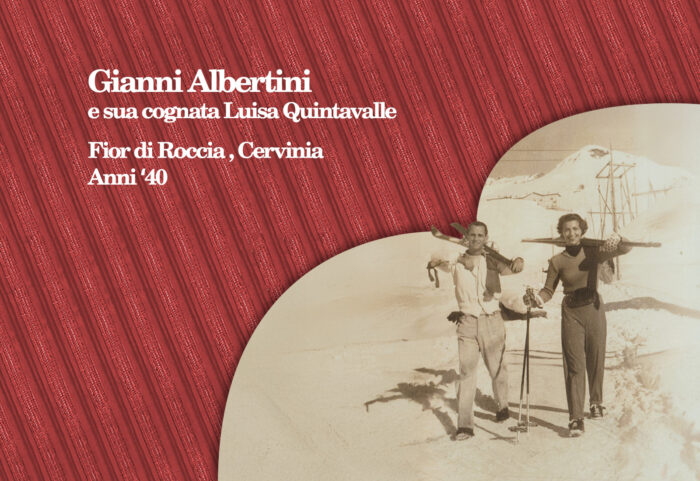
Gianni (Gianni) Albertini graduated in engineering at a very young age and became such an expert in rock, mountains and snow that he opened several new routes to the summit of Mont Blanc in the 1920s. An adventurous flyer (he tried to break the record for flying between London and Cape Town in 1938), he owes his fame to the Heimen-Sucai Arctic expedition of 1929, set up to search for those missing from the Nobile expedition the year before. He married Ida Quintavalle, twin sister of my maternal grandmother Luisa Quintavalle.

The Caprotti marriages: Guido and Maria Luisa Austoni

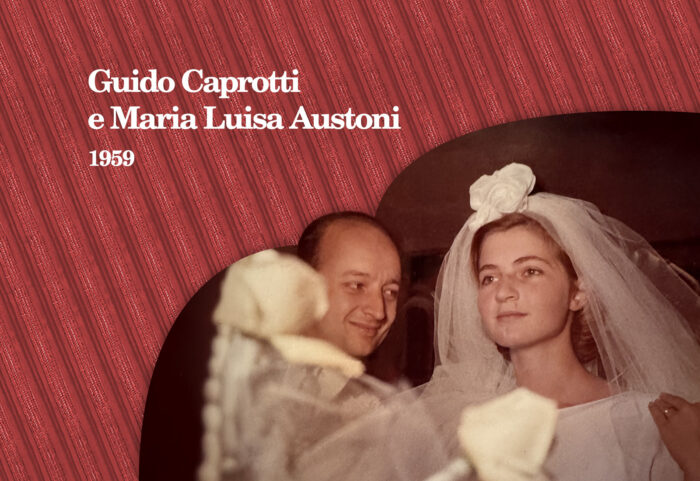
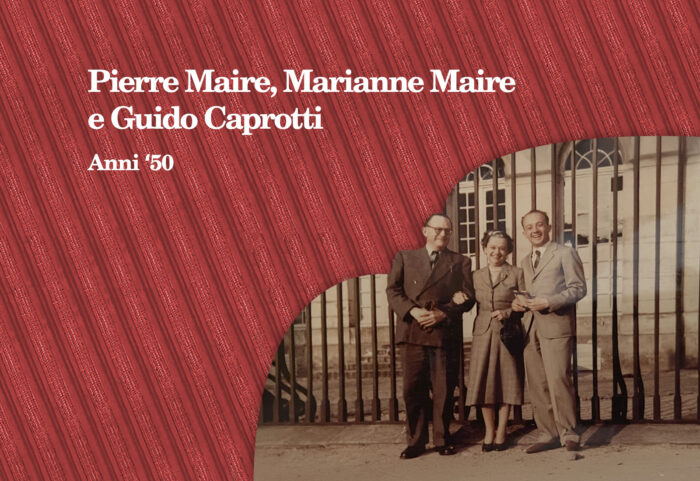
A few months after the marriage of his elder brother Bernardo to Giorgina Venosta, the second brother, Guido in 1959, married Maria Luisa (known as Lu) Austoni, daughter of Benedetto, a surgeon and medical luminary, in the Milanese church, something that also merited the couple a small article in a newspaper. Friends and relatives surround the couple, who seem serene, and will remain so for a few years; but this marriage too, after a few years and two daughters, Bendetta and Elisabetta, will end.

The Caprotti marriages: Bernardo Caprotti and Giorgina Venosta

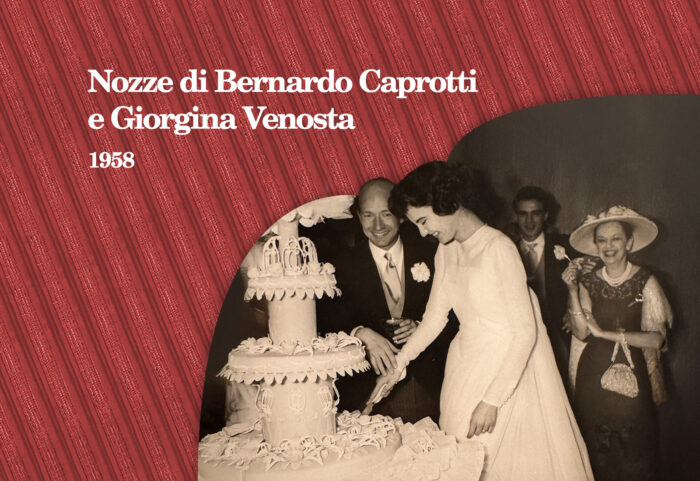
Bernardo and Giorgina met in Forte dei Marmi, and were married in Milan in November 1958, in the church of San Fedele packed with guests and, outside the gates, a crowd of onlookers. She was 17, he twice that age. The photo album shows smiles and joy around the newlyweds; the premises are all there, but they will not be fulfilled. The couple will separate despite the birth of two children, Giuseppe and Violetta.

“Le Ossa dei Caprotti”: the difference between journalistic reporting and history

In my view, the difference between journalism, political non-fiction and history lies in the research, which, in the case of history, is much more in-depth and is based, first and foremost, on the study of documents and archives. But the added value of this book also lies in the contributions from people who worked for or were close to Esselunga, a company with a much broader entrepreneurial spirit than one might think

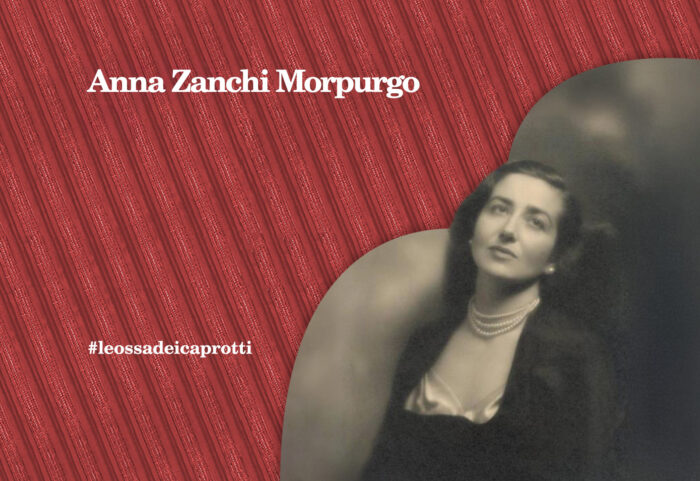
The Caprotti family: Anna Zanchi Morpurgo, 1949

On the day of the car accident that killed him, grandfather Peppino was not alone. At his side sat a woman he had been seeing for a couple of years, and he suffered very serious injuries. I only discovered much later that her name was Anna Z., and we knew her well. A series of photographic portraits immortalising her beauty are preserved in the archives of the Braidense Library in Milan.

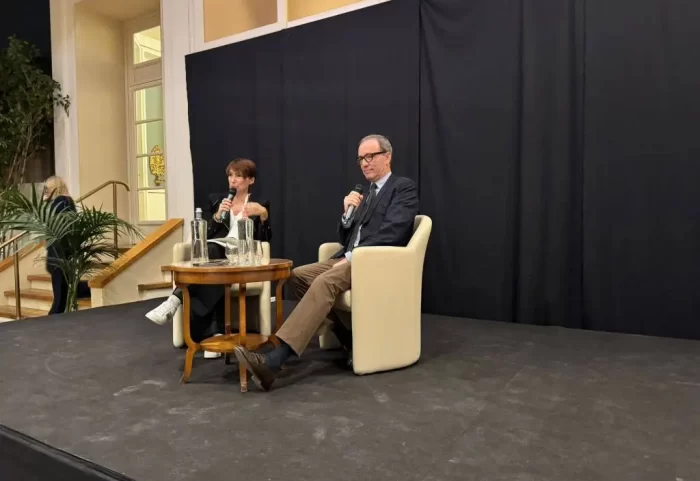
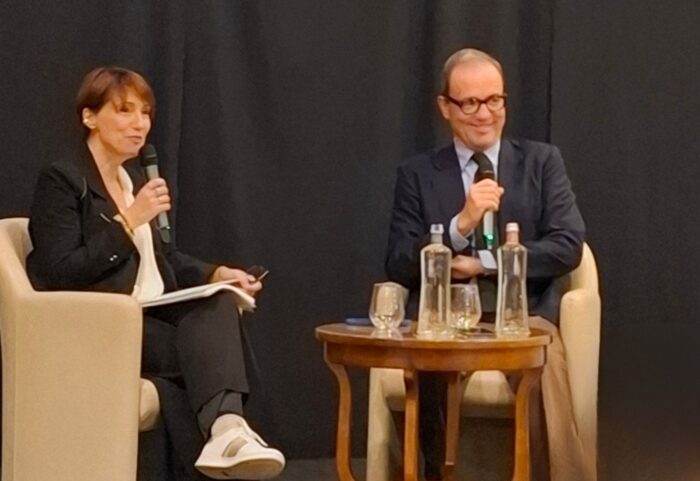
Le Ossa dei Caprotti’ presentation – Soroptimist, 29 October 2025

I really stopped. During that long difficult period we talked about earlier, I stopped completely. It was a time of silence, of isolation. But then, with the end of the court case and Covid, I chose to look forward. I decided to see the Covid crisis as an opportunity to help. From there my personal rebirth and my work in the Guido Venosta Foundation was born