Compiled 11 July, updated 4 September 2024
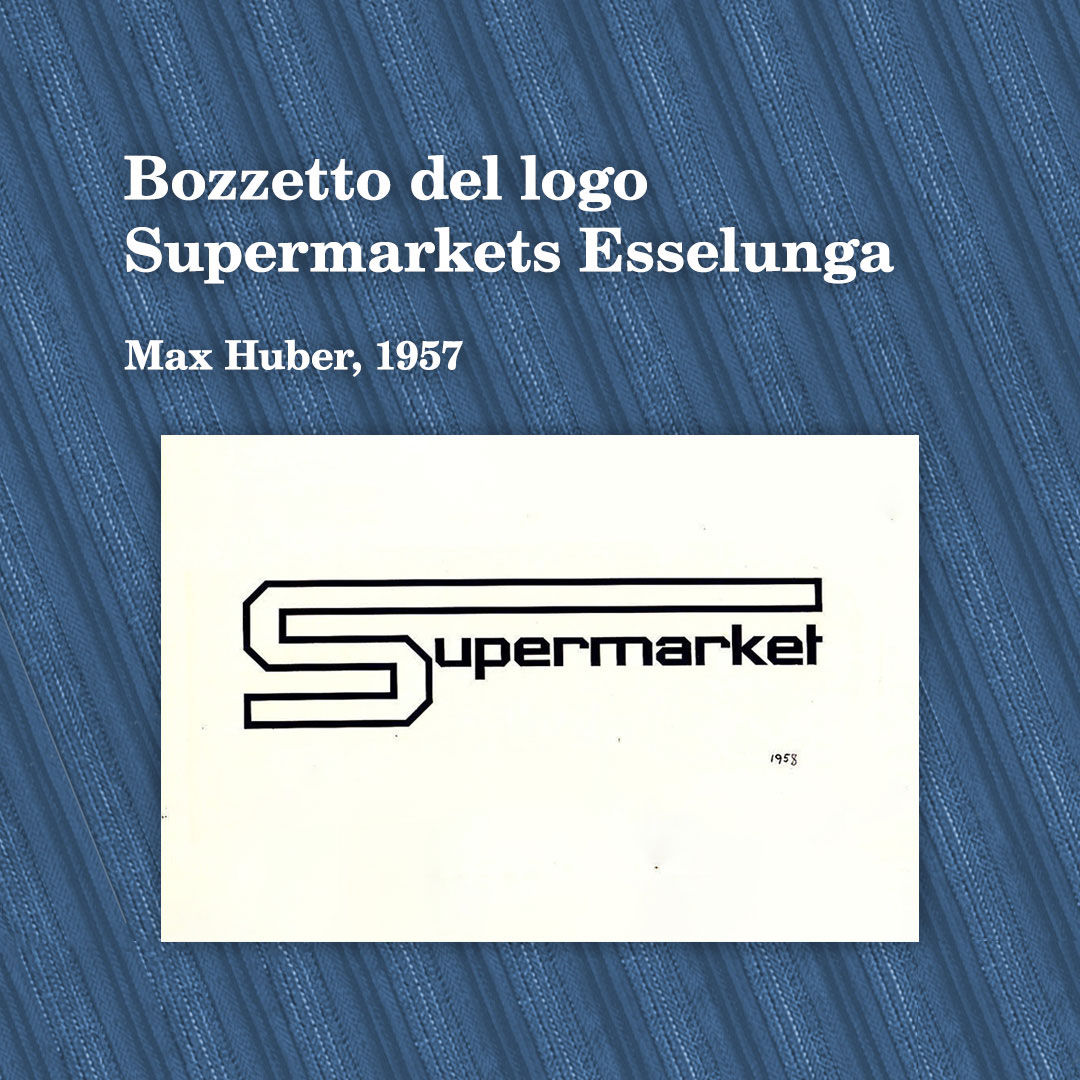
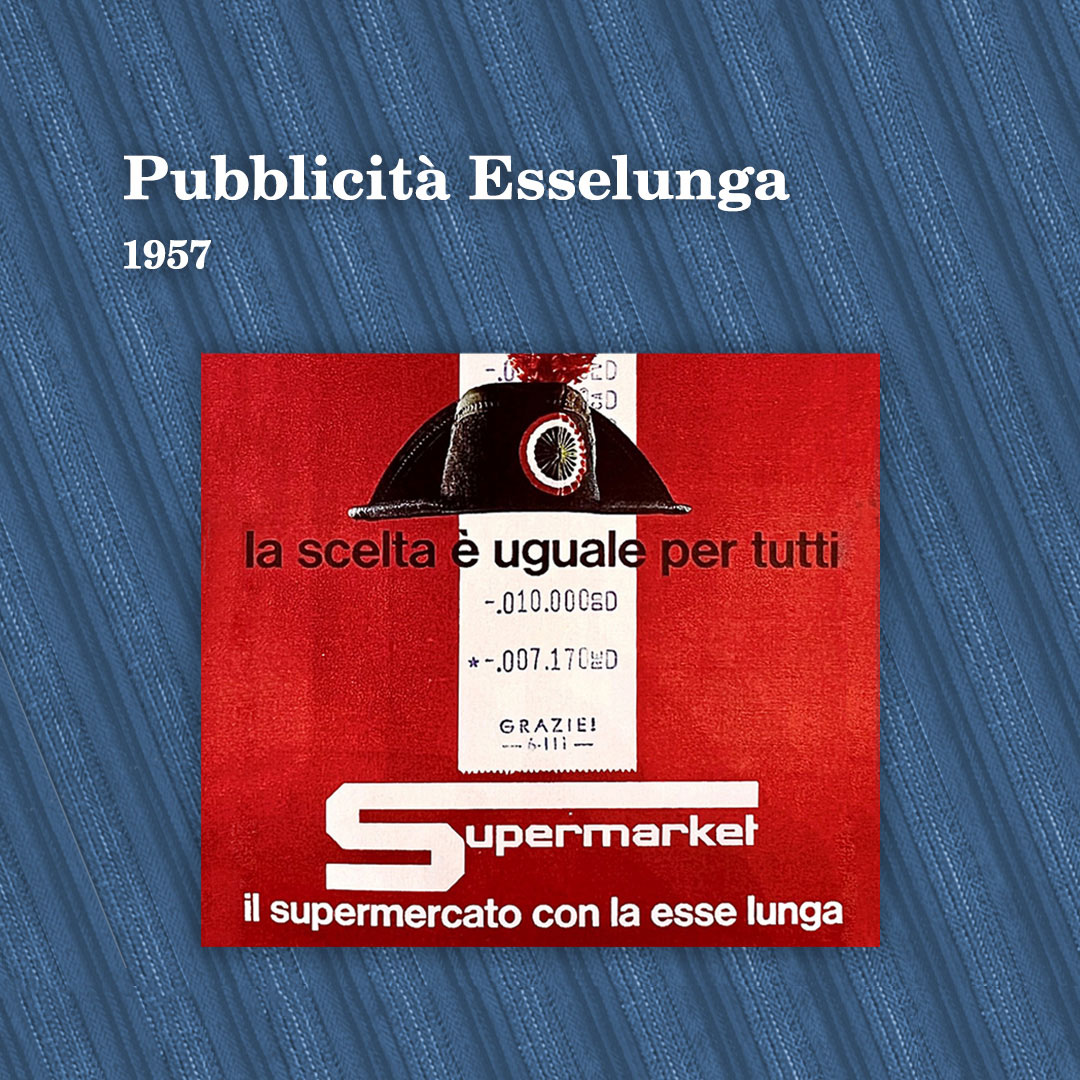
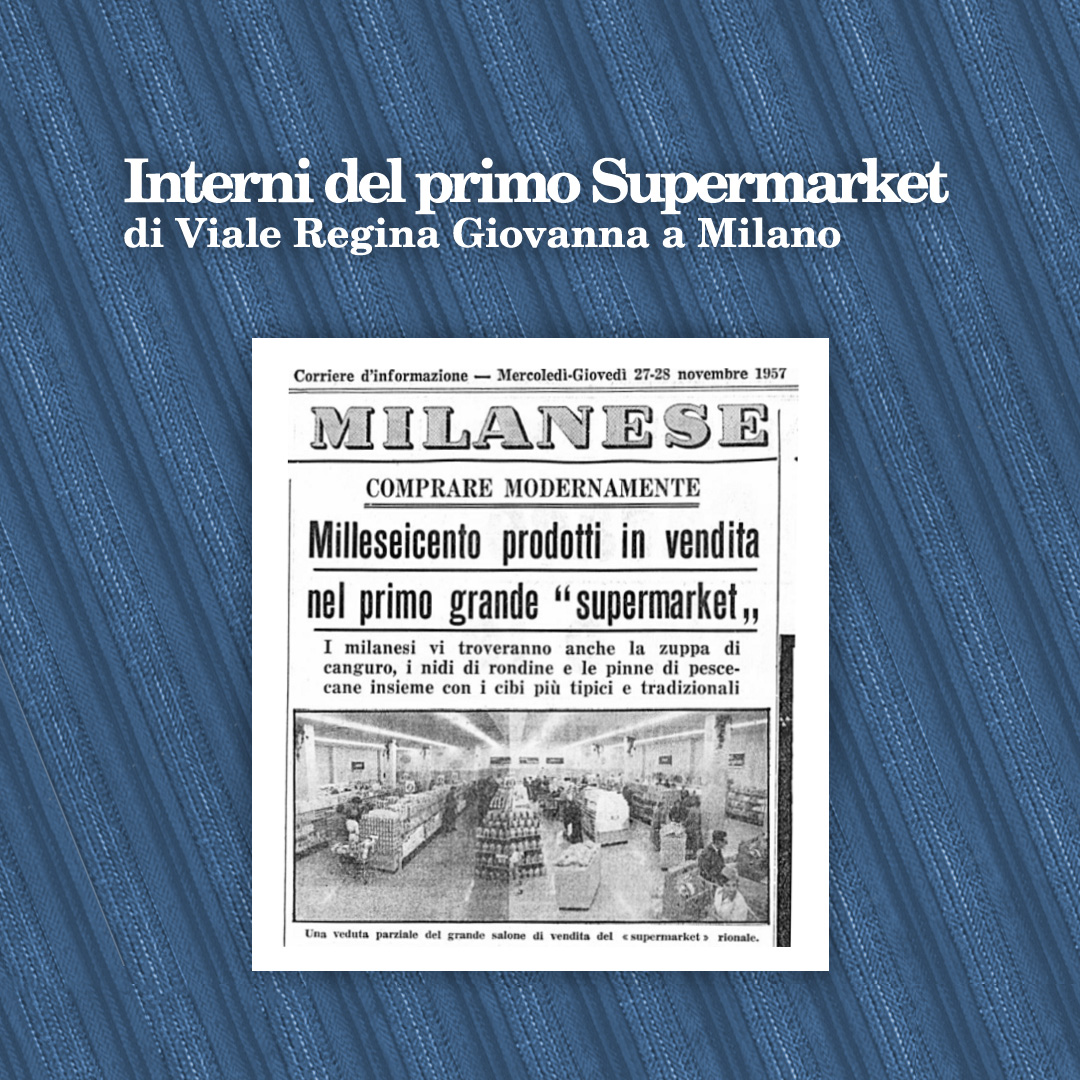
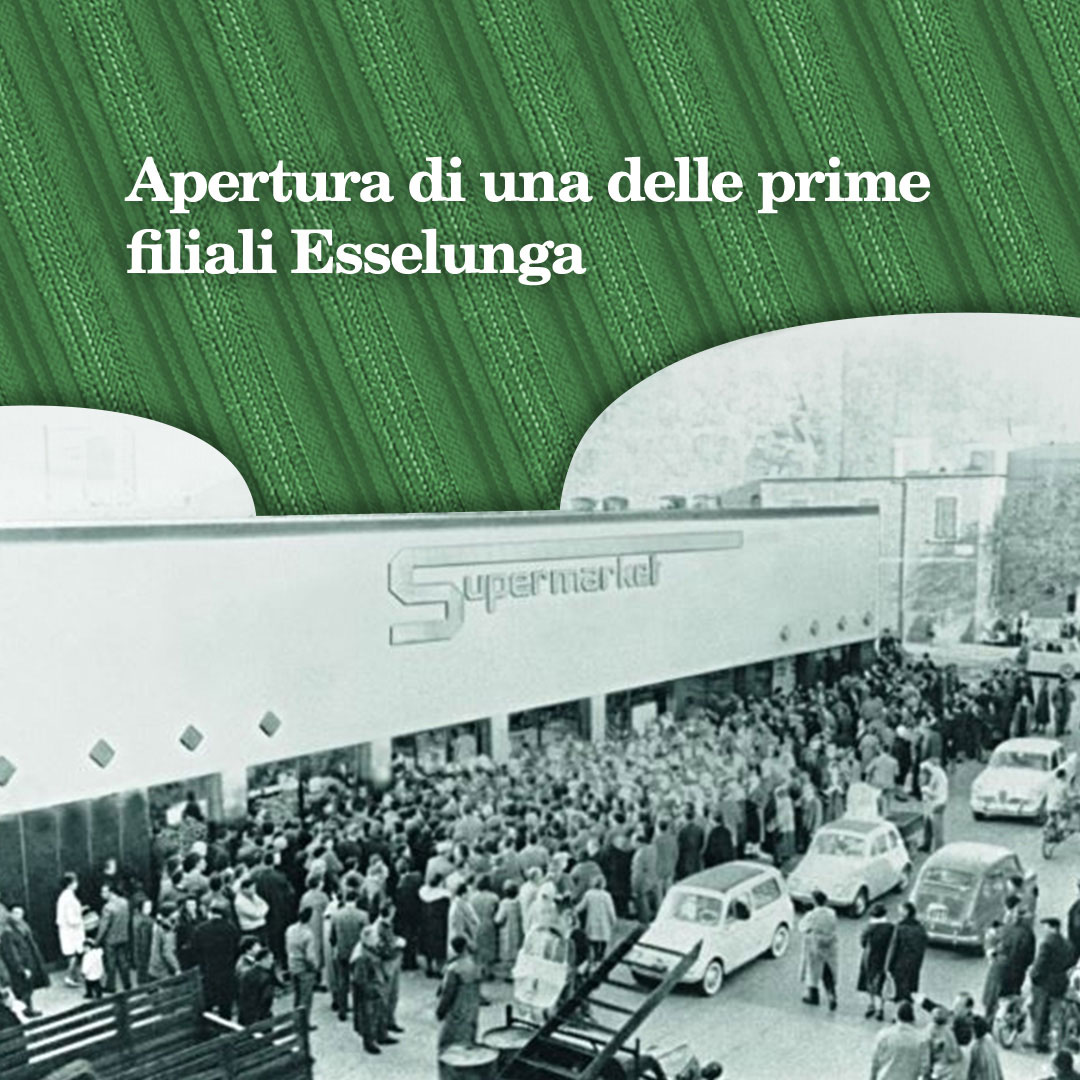
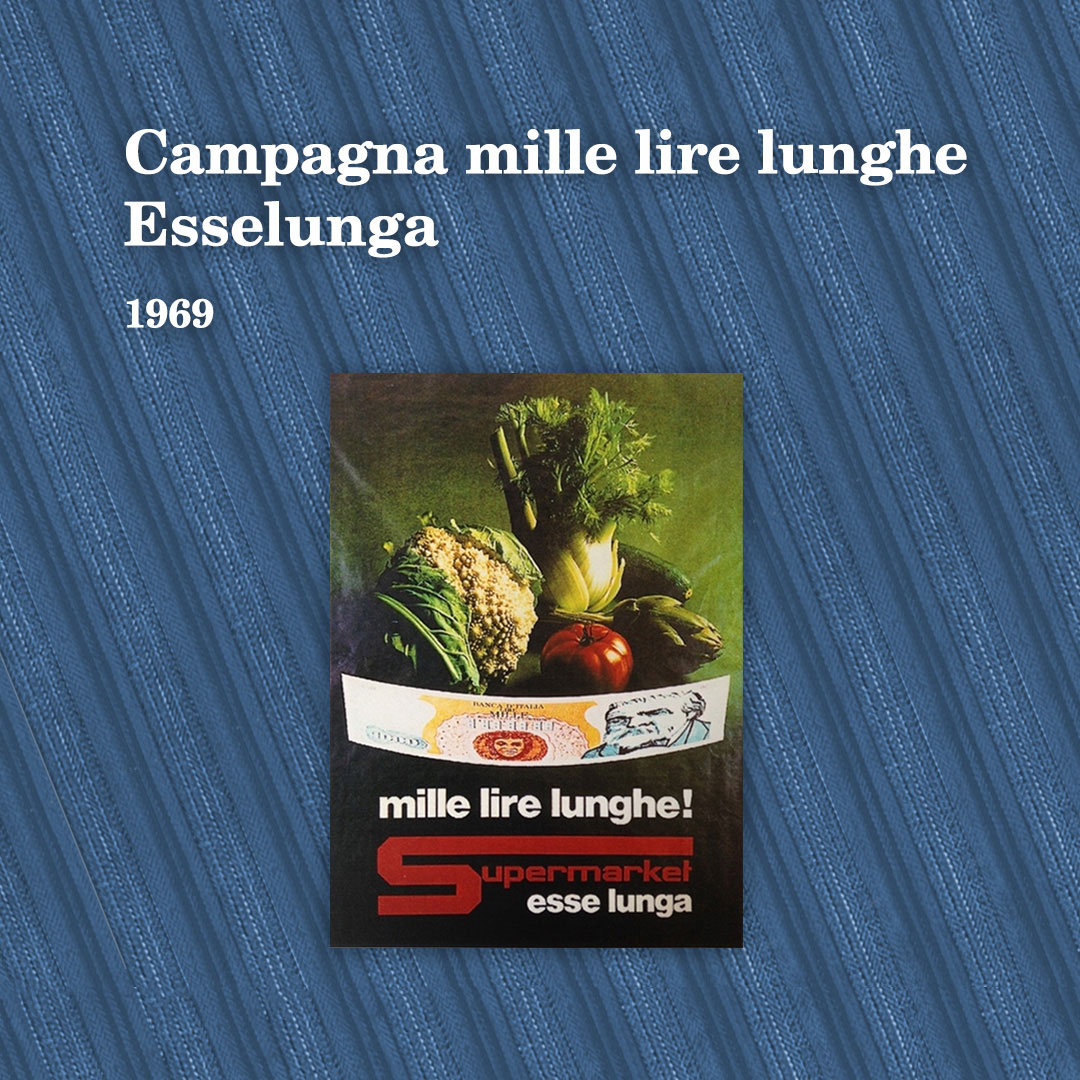
2. The Americans’ offer (‘shark fins’, packaged meat etc.) at the first opening, in Milan in 1957, is a real revolution in customs (advertisement ‘The choice is the same for everyone’).
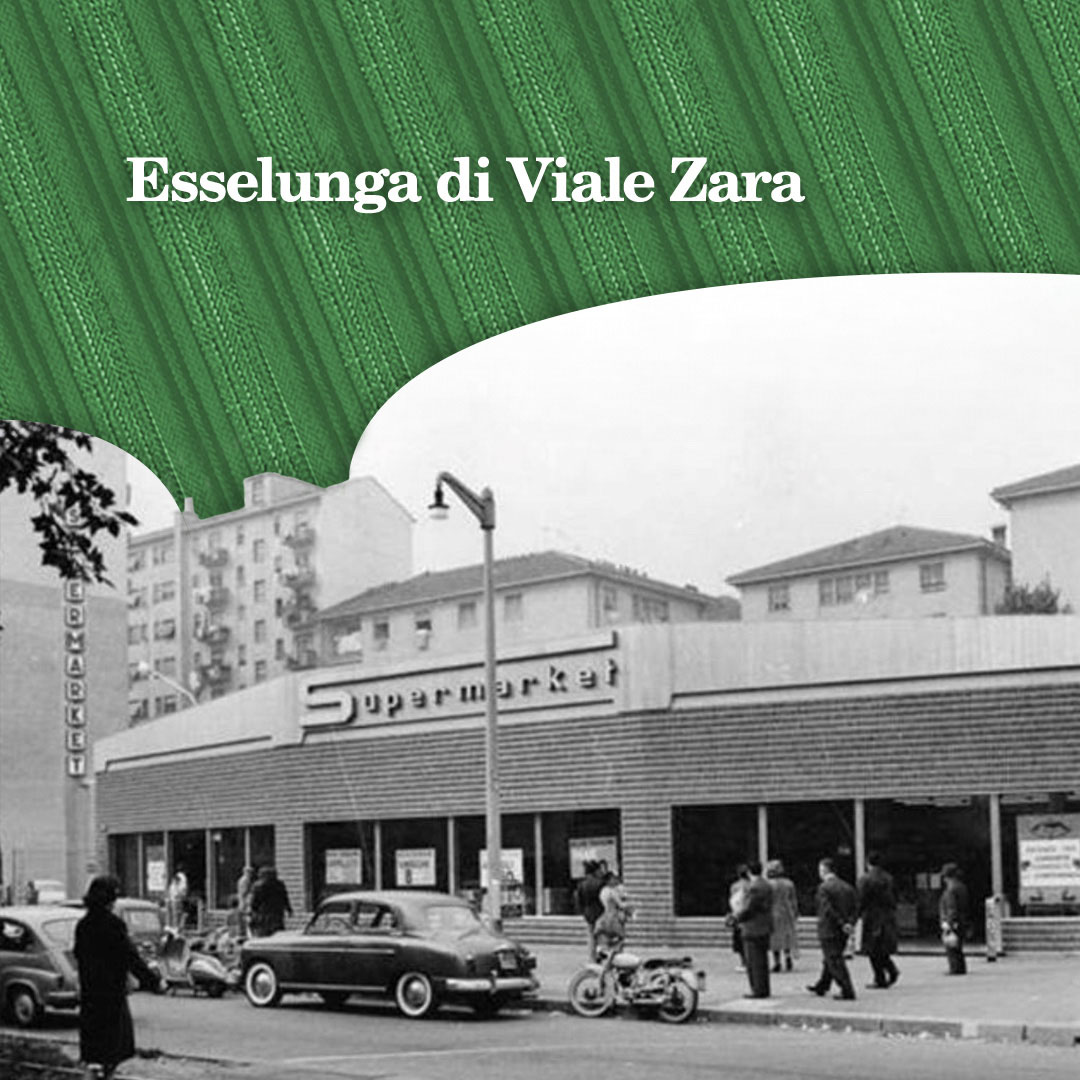
Na note that the supermarket in Viale Zara, later demolished and rebuilt in the early 2000s, was designed by Giò Ponti.
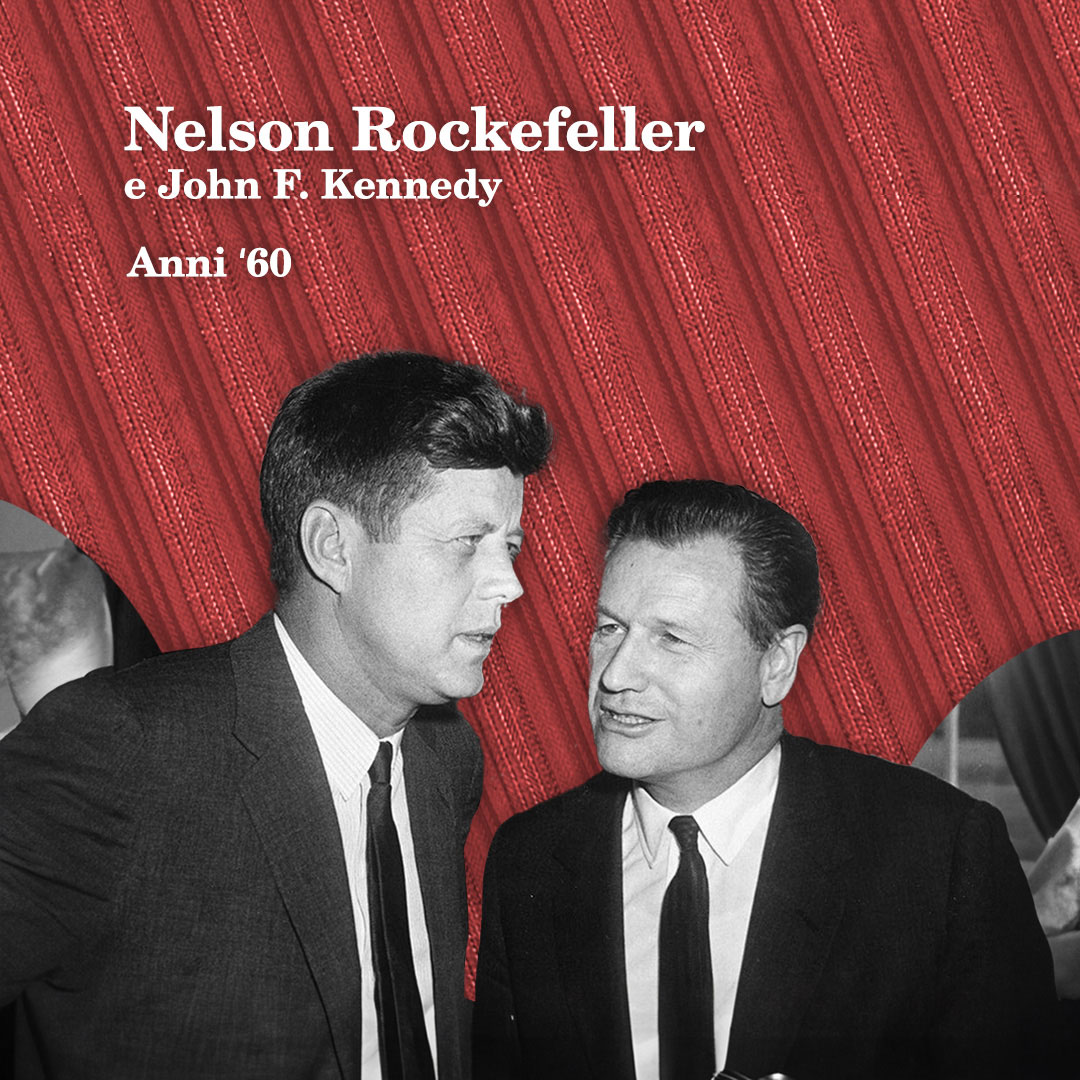
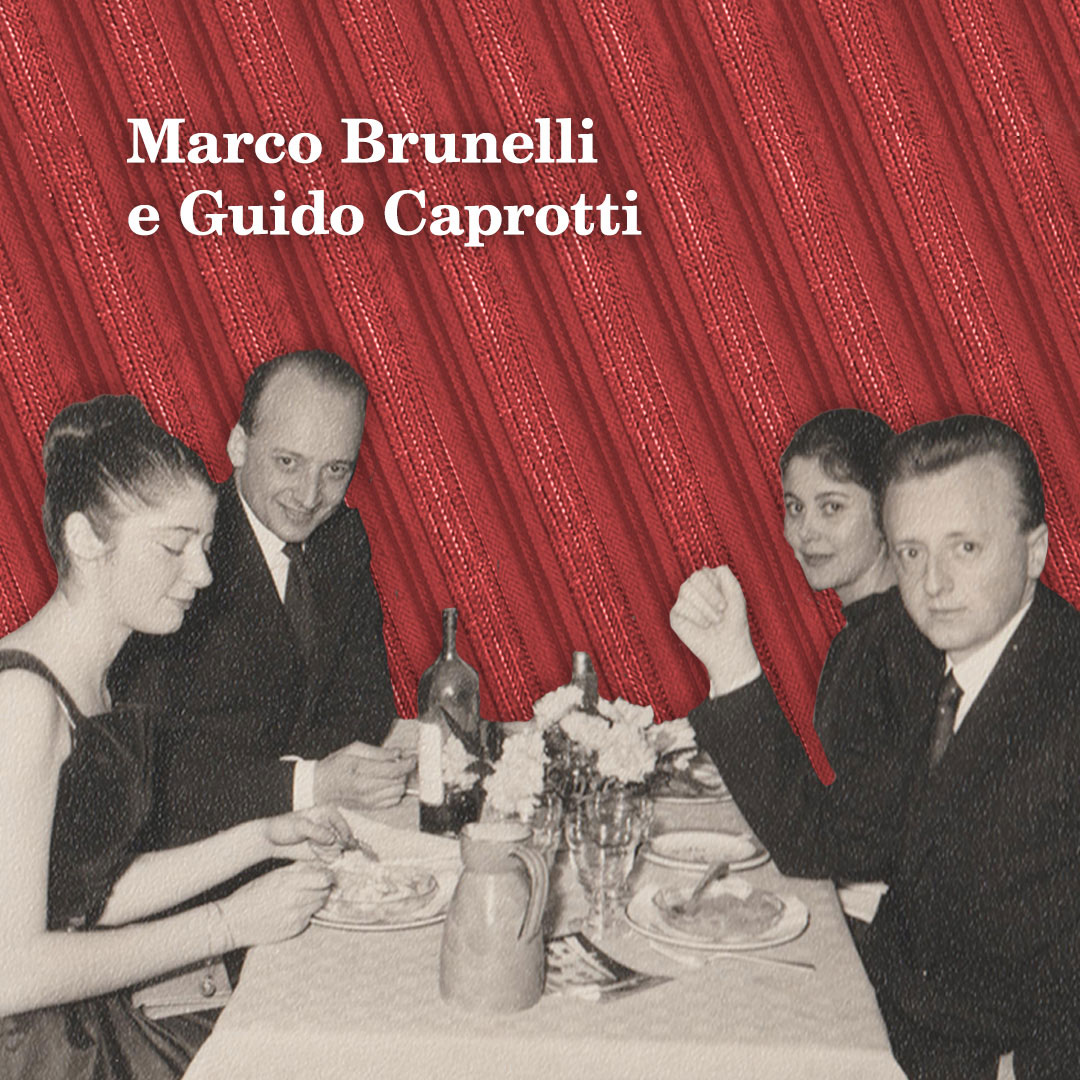
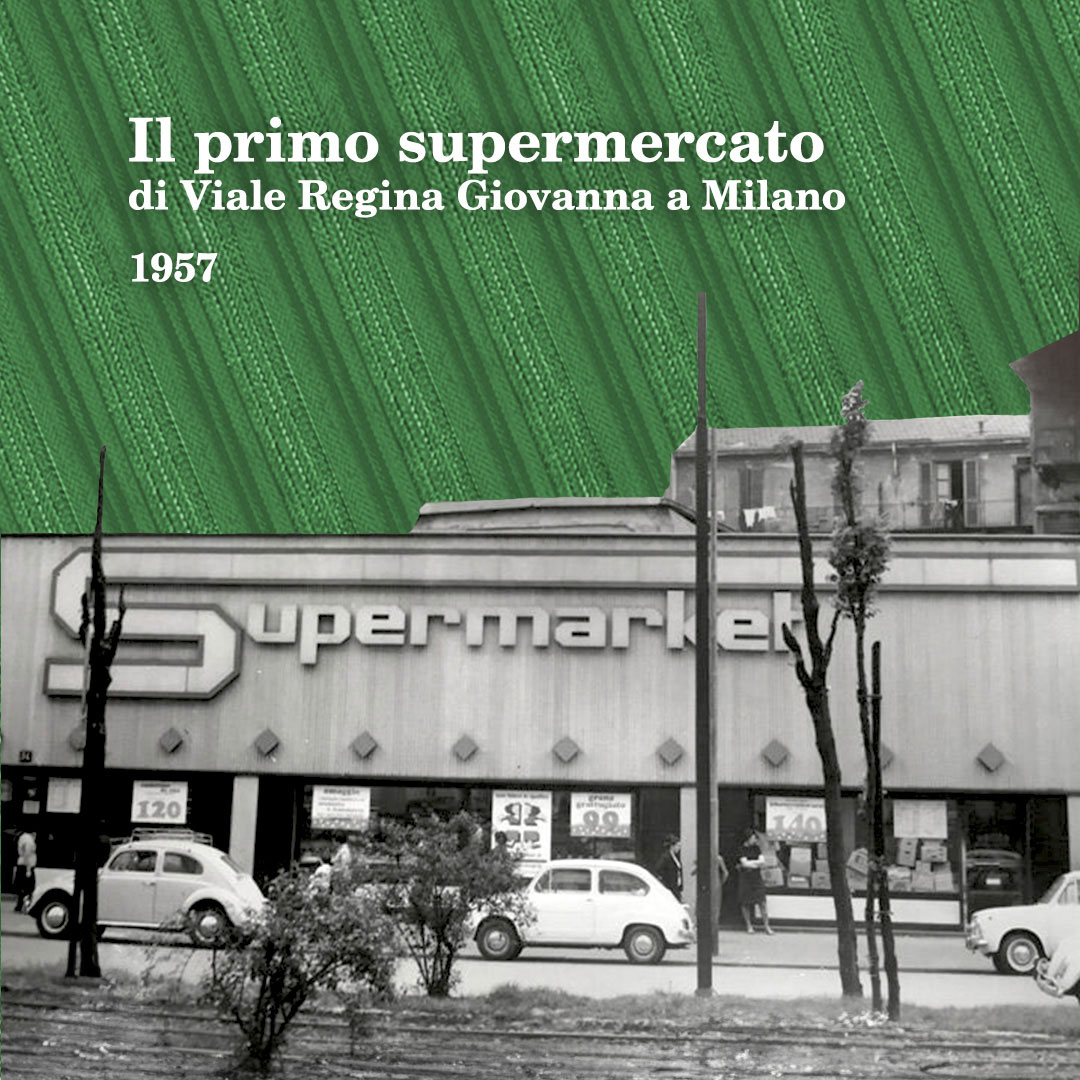
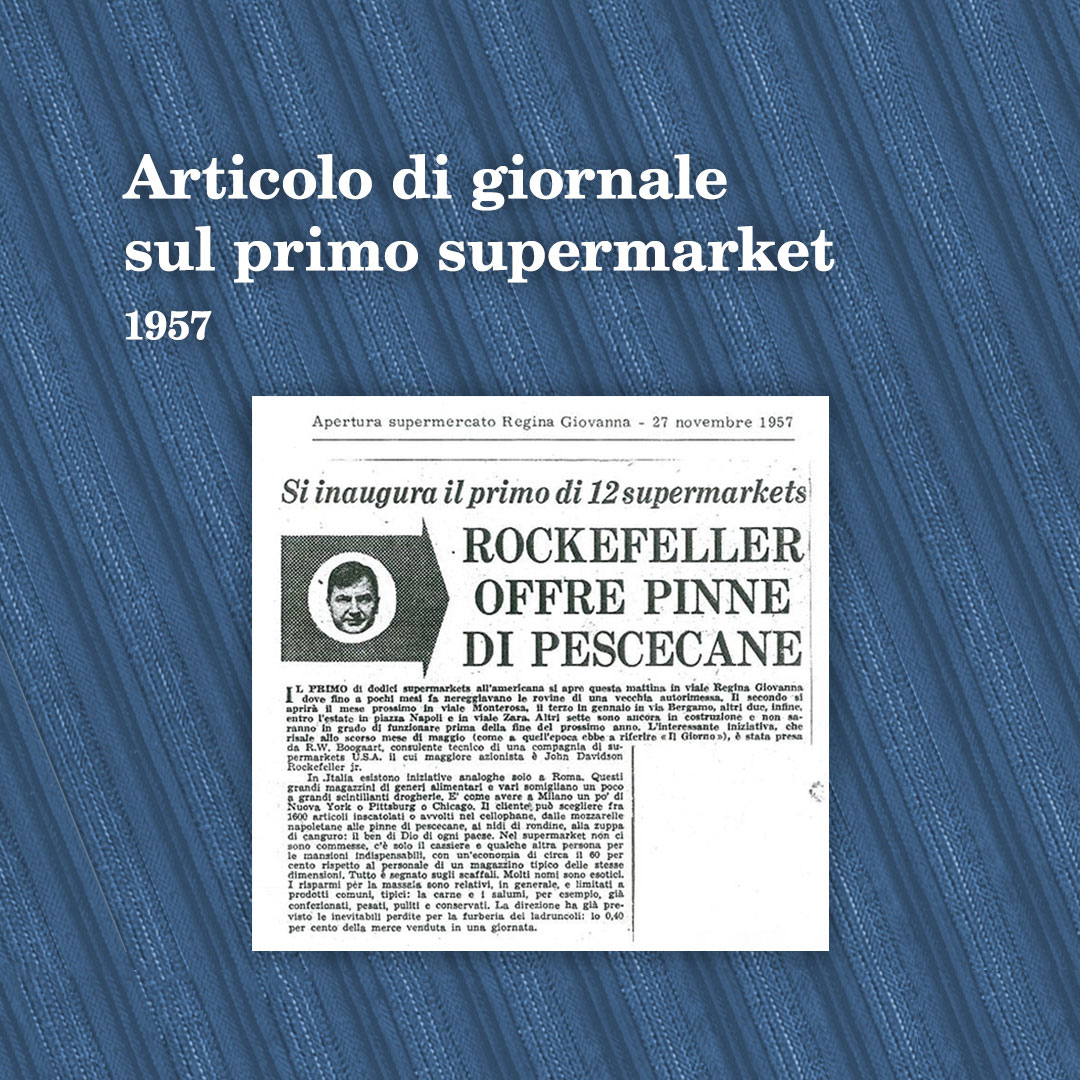
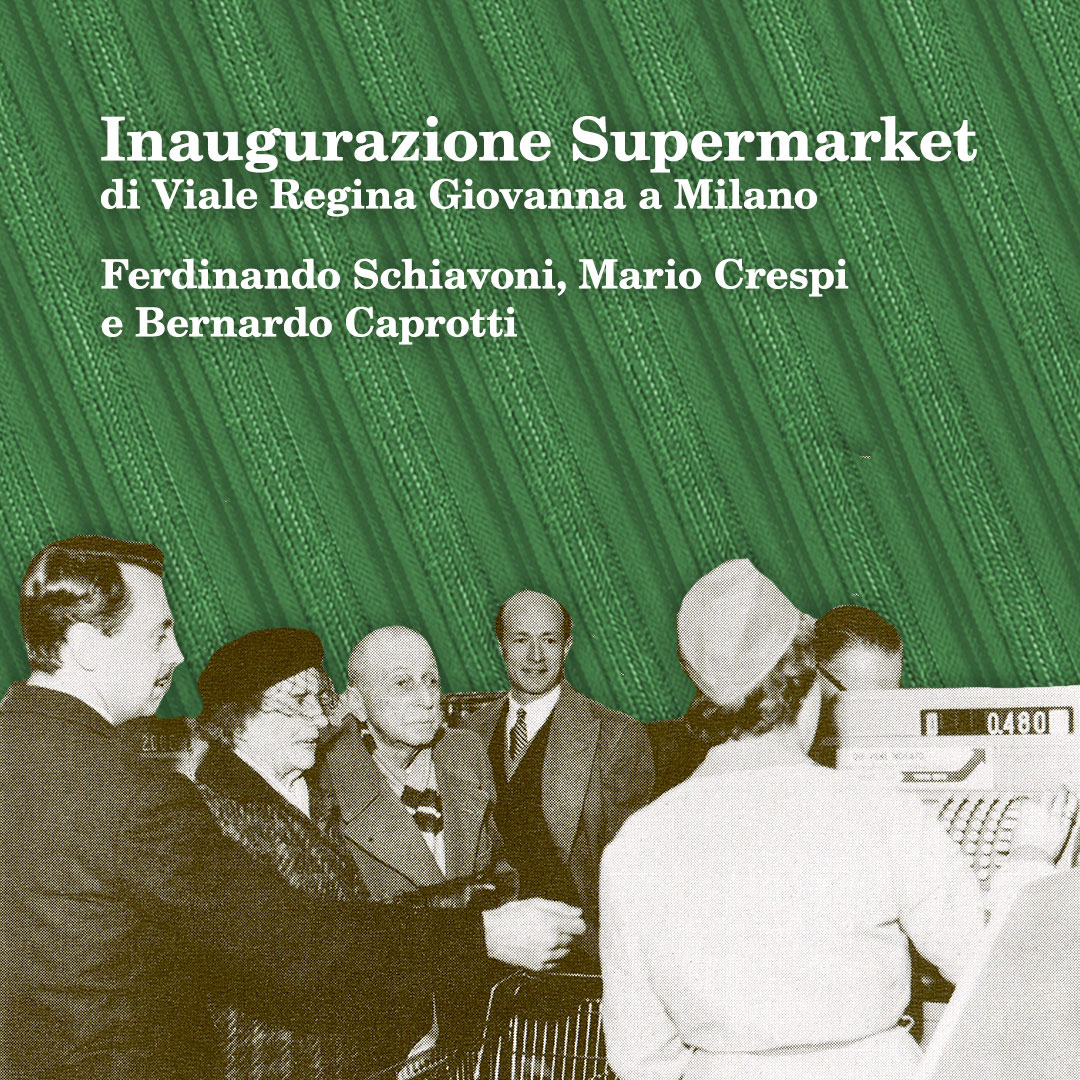
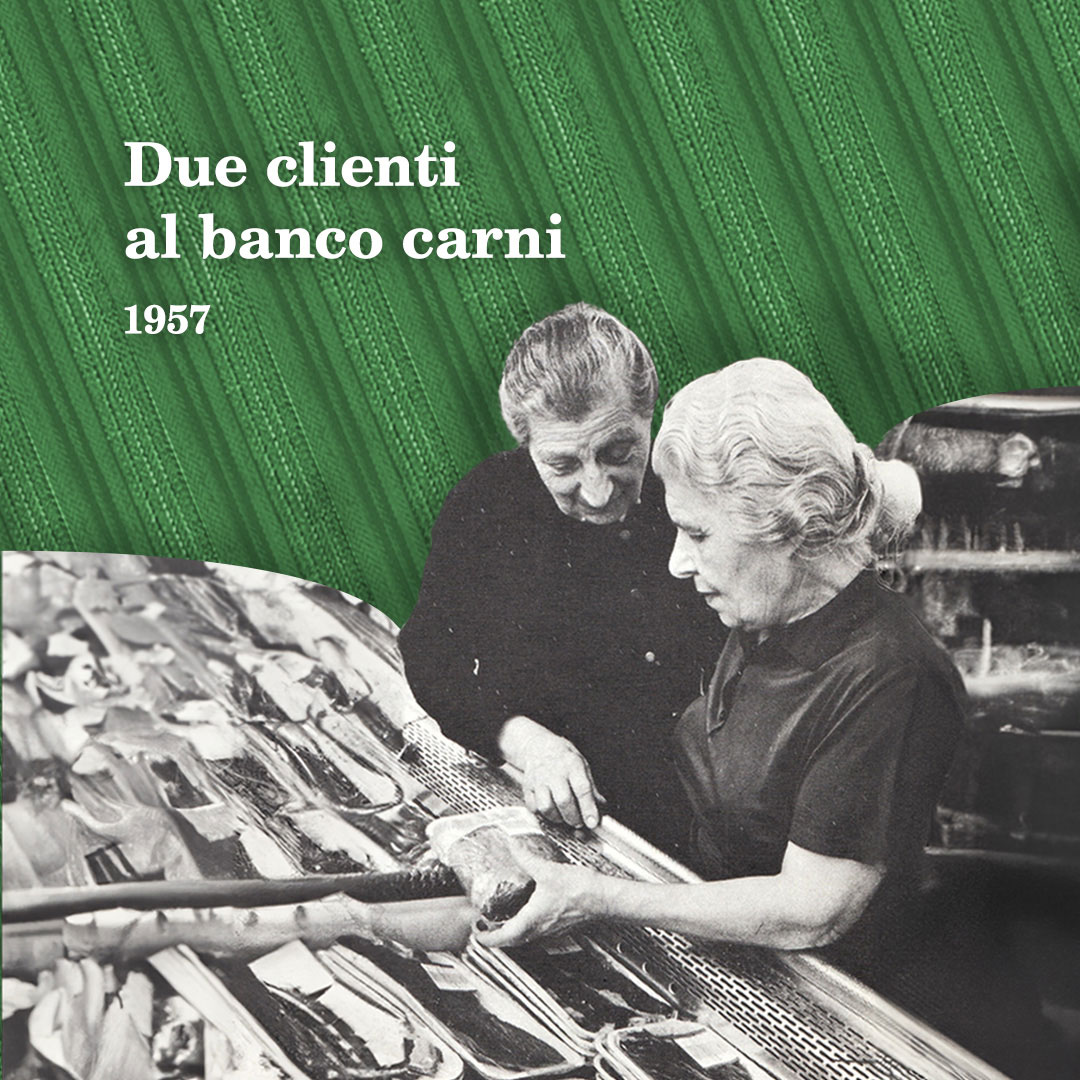
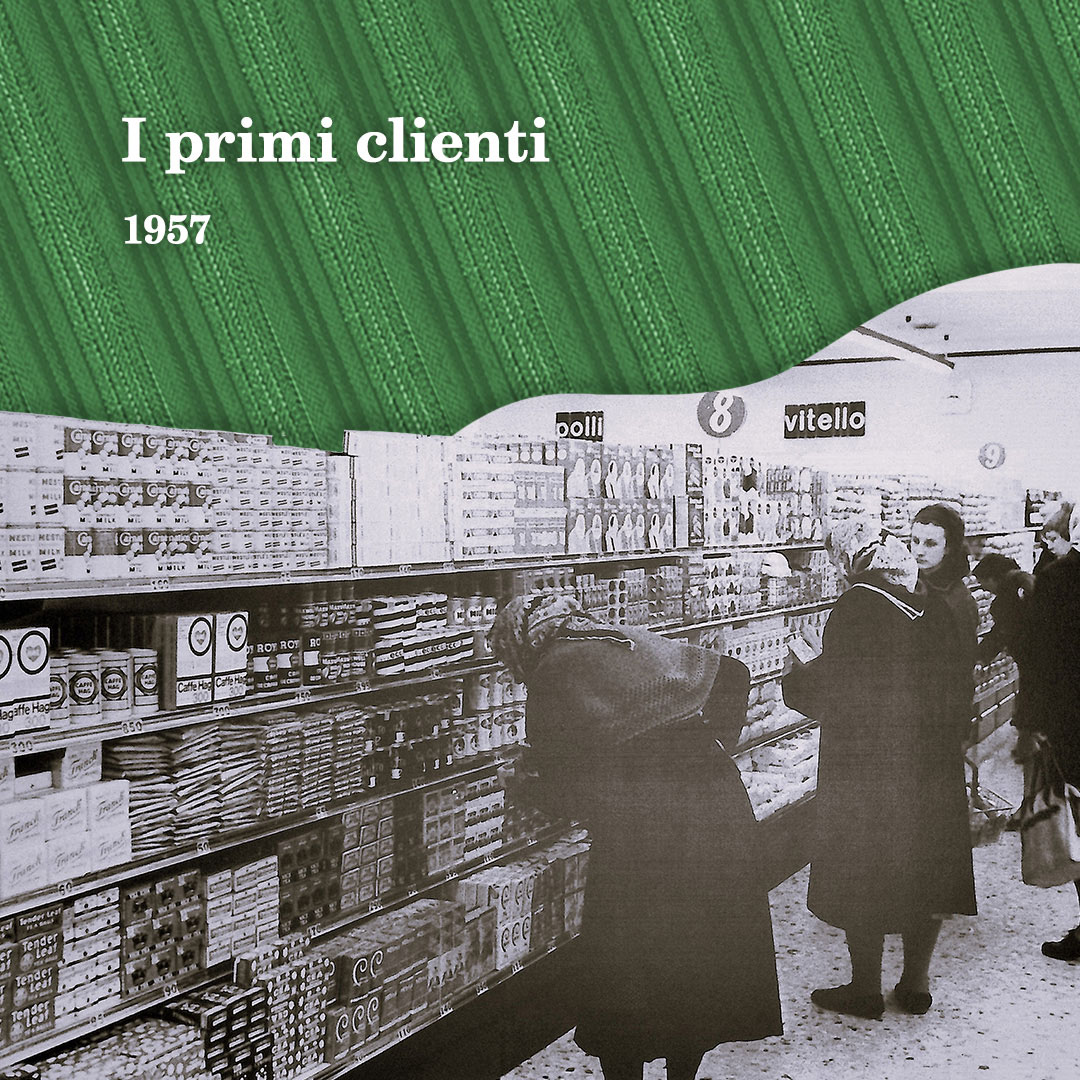
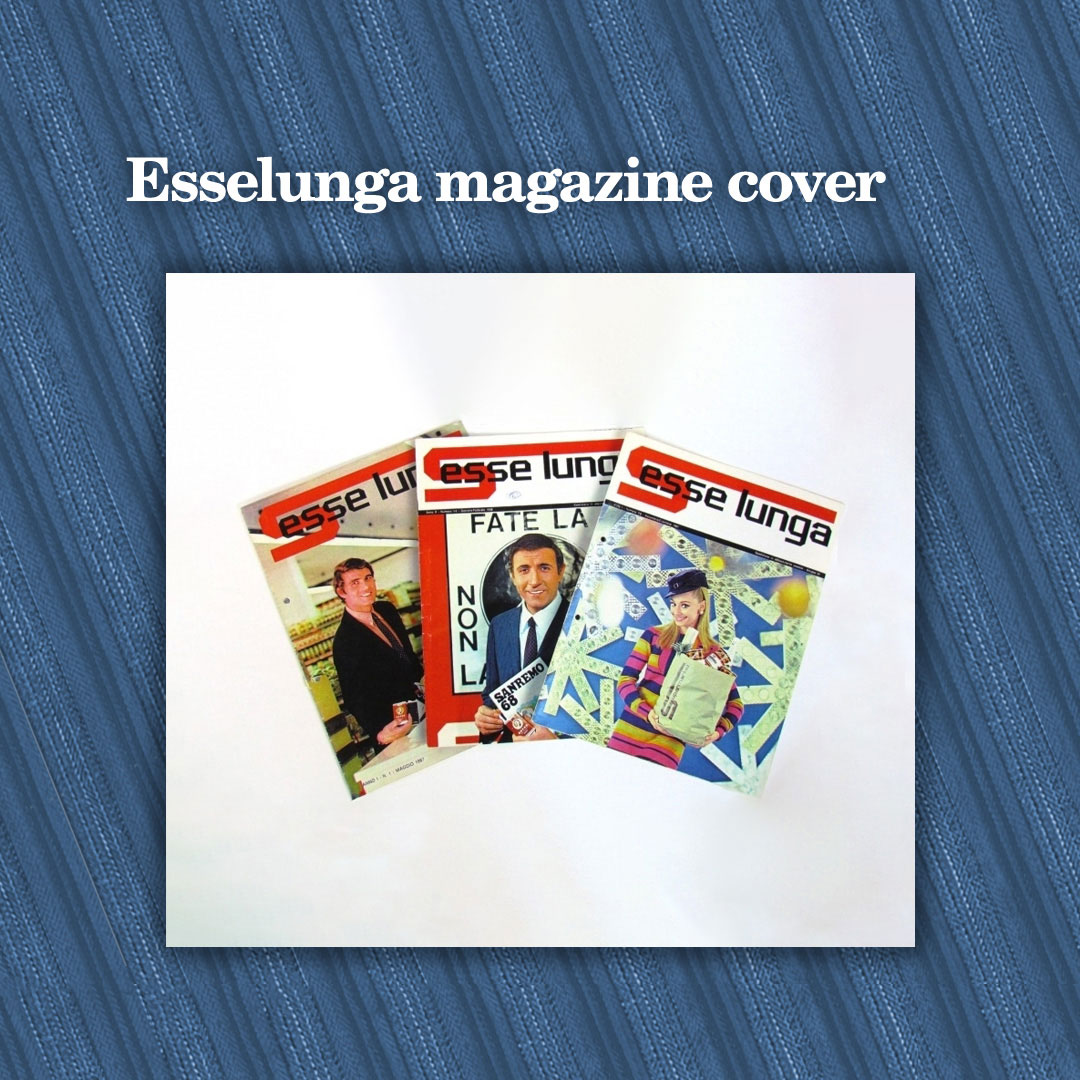
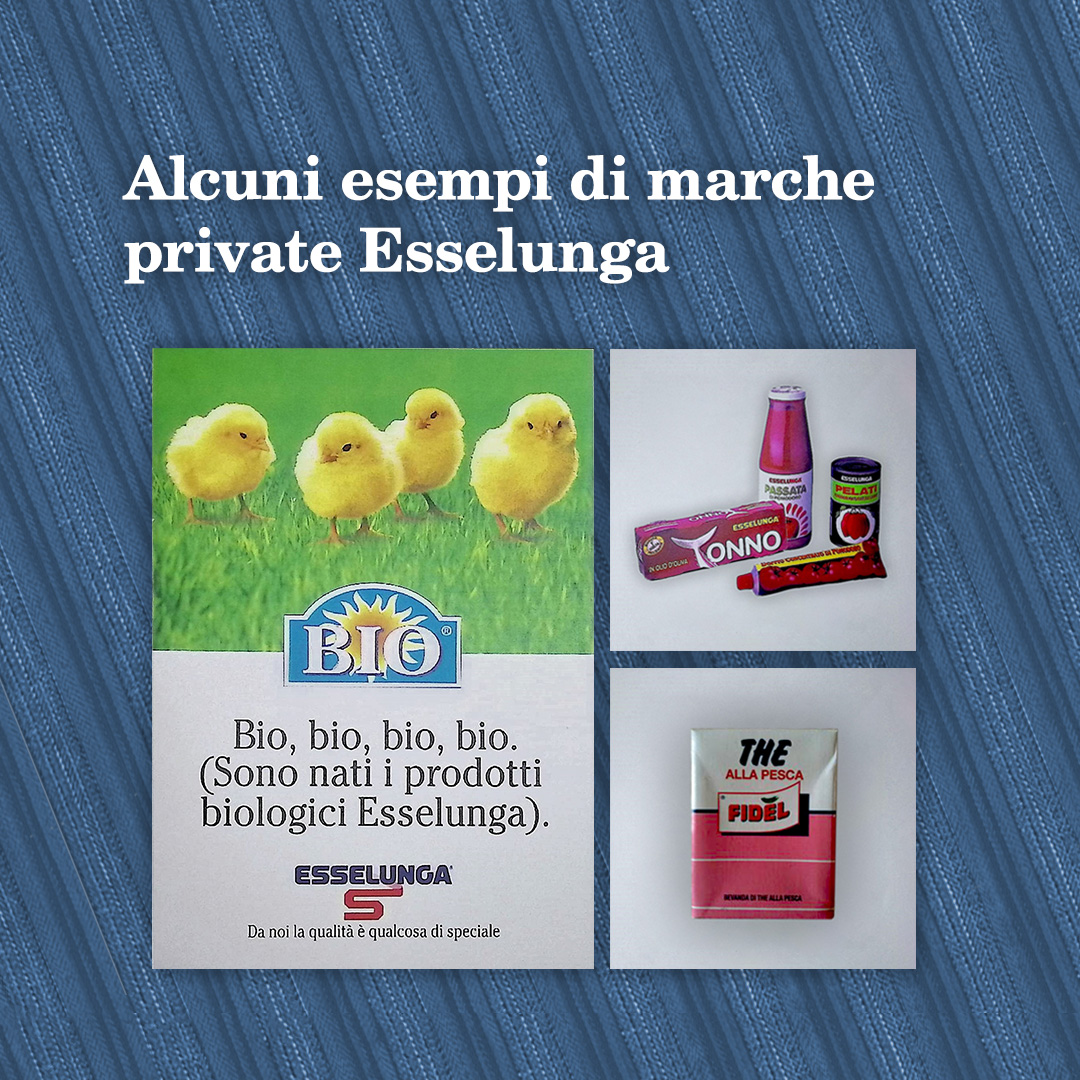
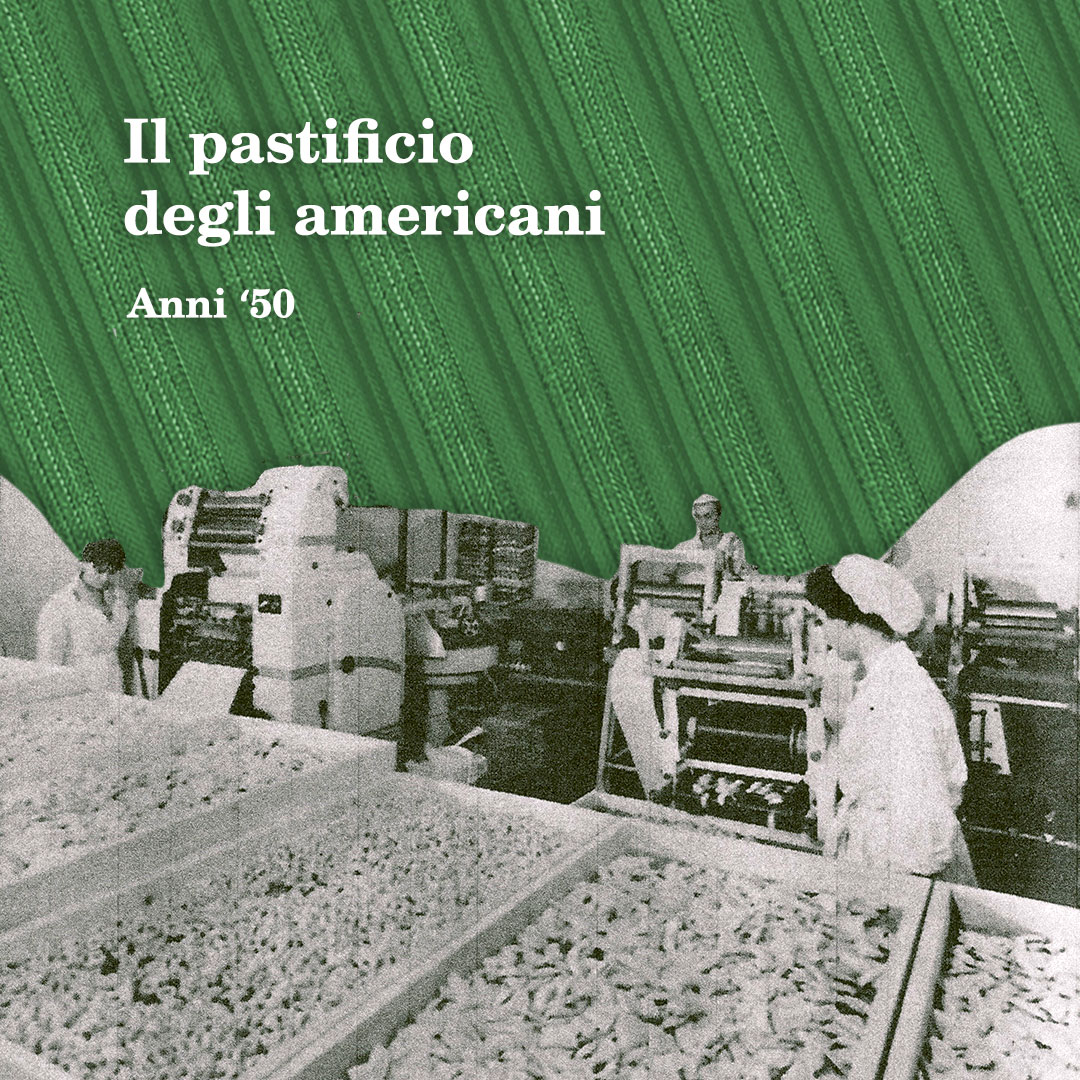
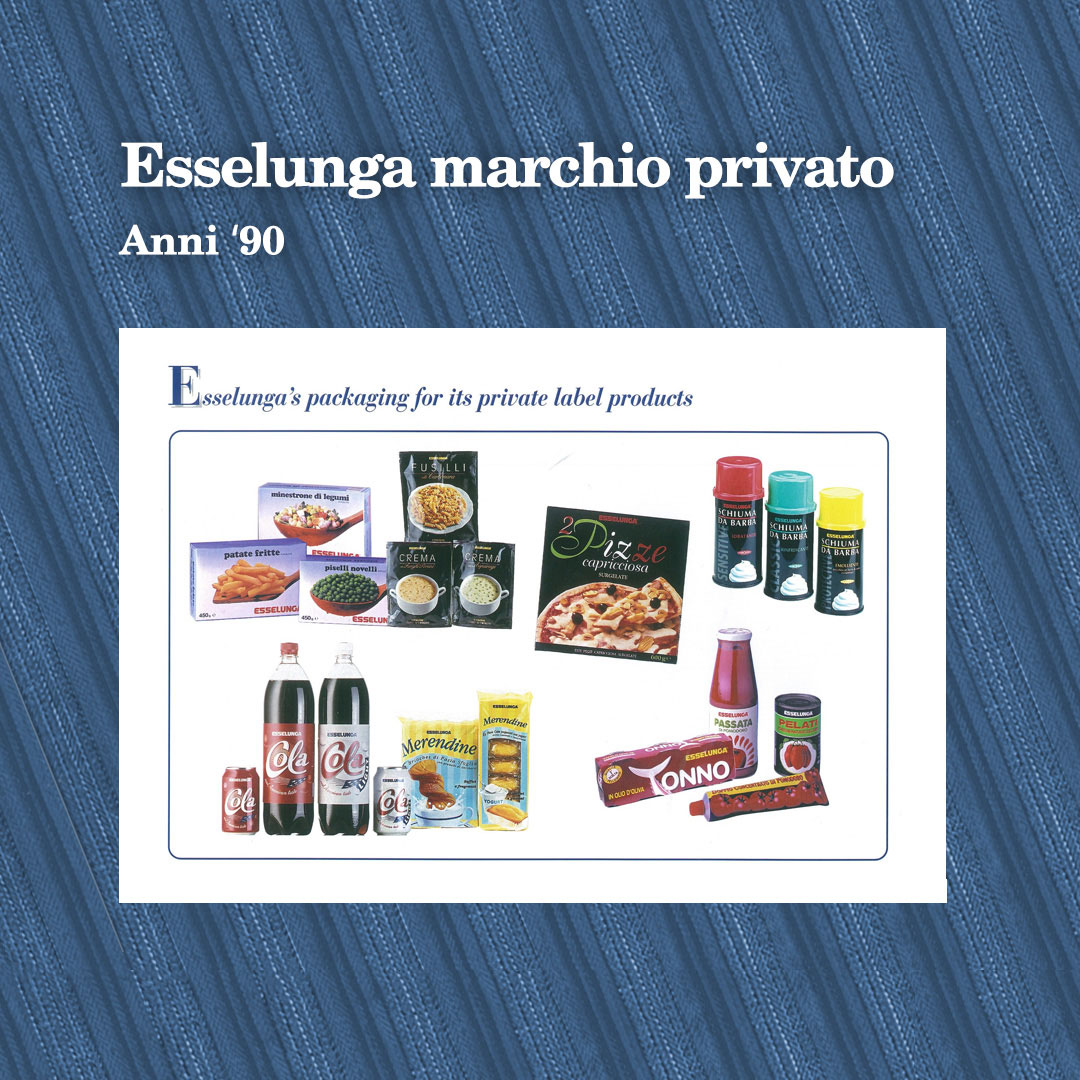
3. The fancy private label ‘made in Esselunga’ arrived in 1959 in Italian factories via the US (bread, pasta, coffee, etc.). With their assortment, the Americans offer the first Italian customers ‘quality and convenience’.
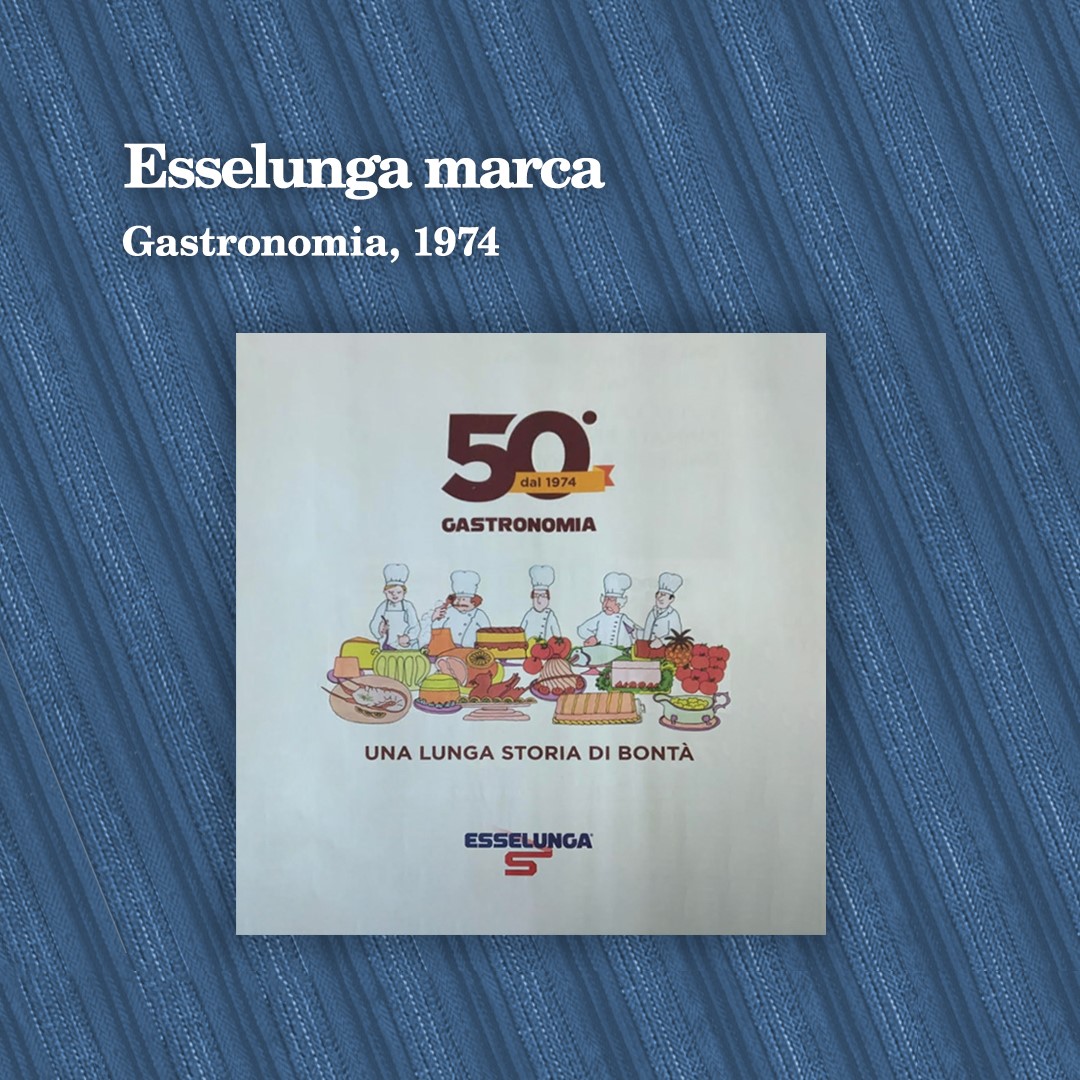
5. The opening and development of the delicatessen departments took place in 1974.
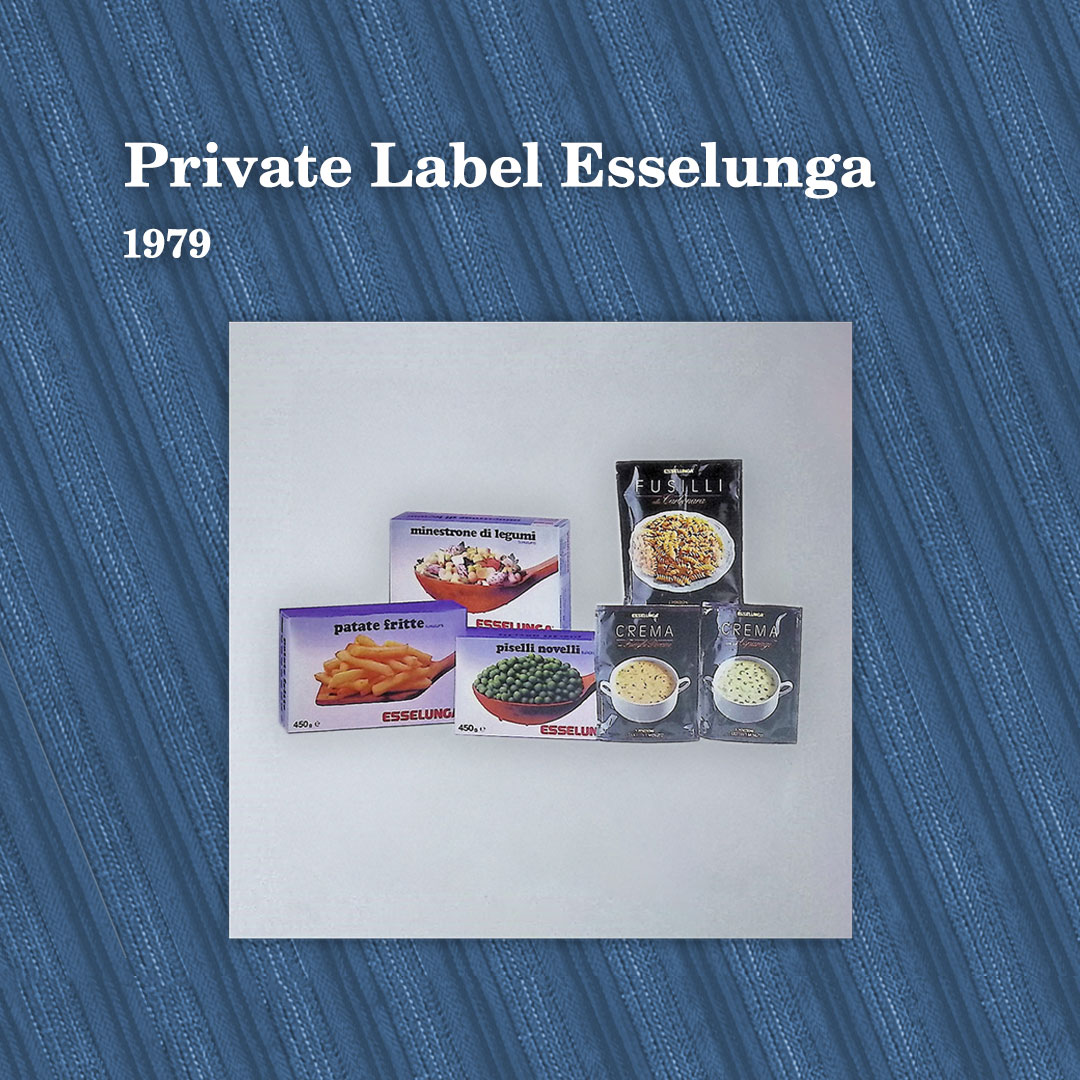
7. The “Esselunga” logo is used for the first time for a private label, on the line of frozen food packaging designed by the same agency in 1979 (these are the blue packages on the left, the ready-made risottos are not frozen and will arrive much later, thanks to Rag. Vittorino Brambilla).
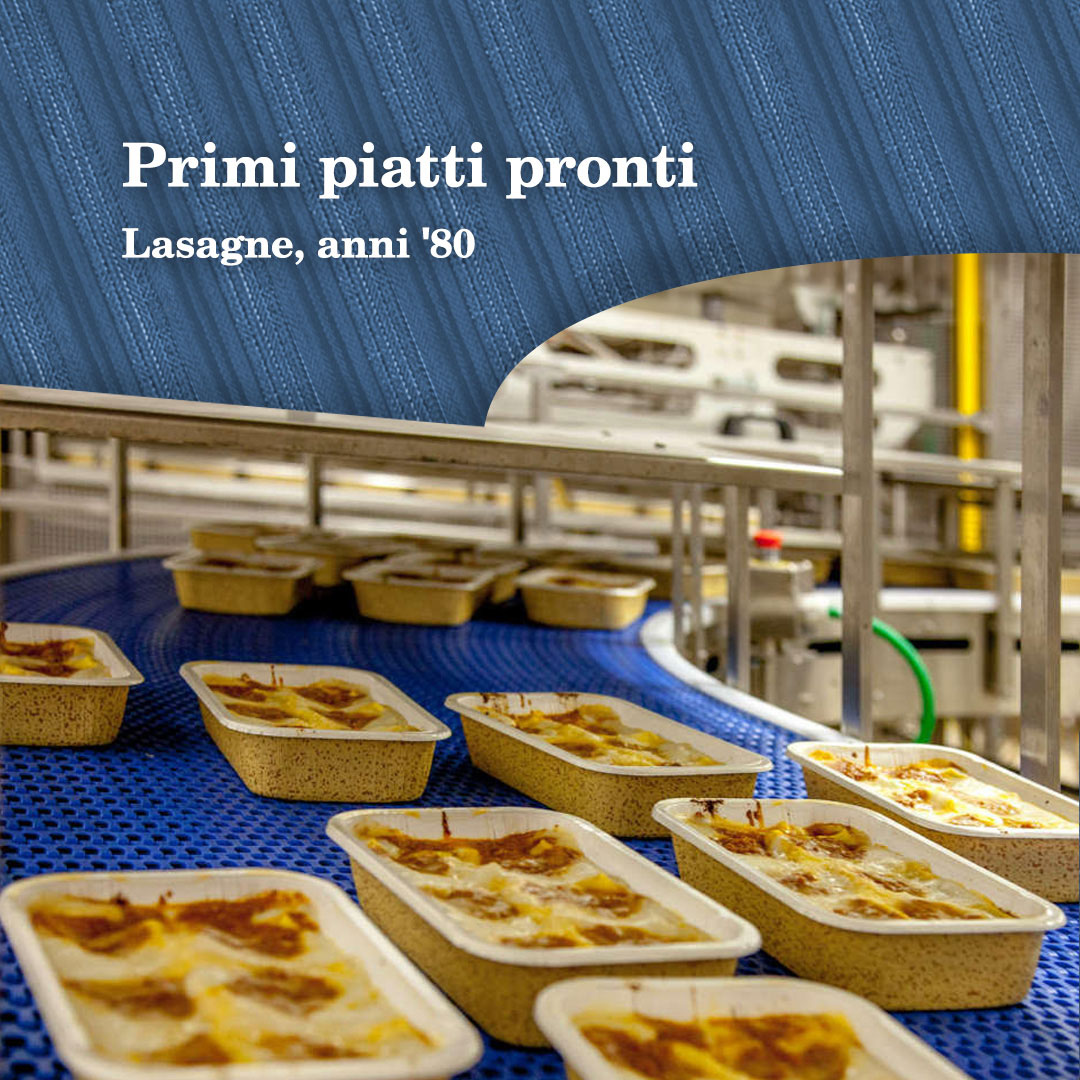
8. Before I joined Esselunga in 1986, ready-made pasta dishes (e.g. lasagne) were already being sold. The centralisation of production took place in 1990.
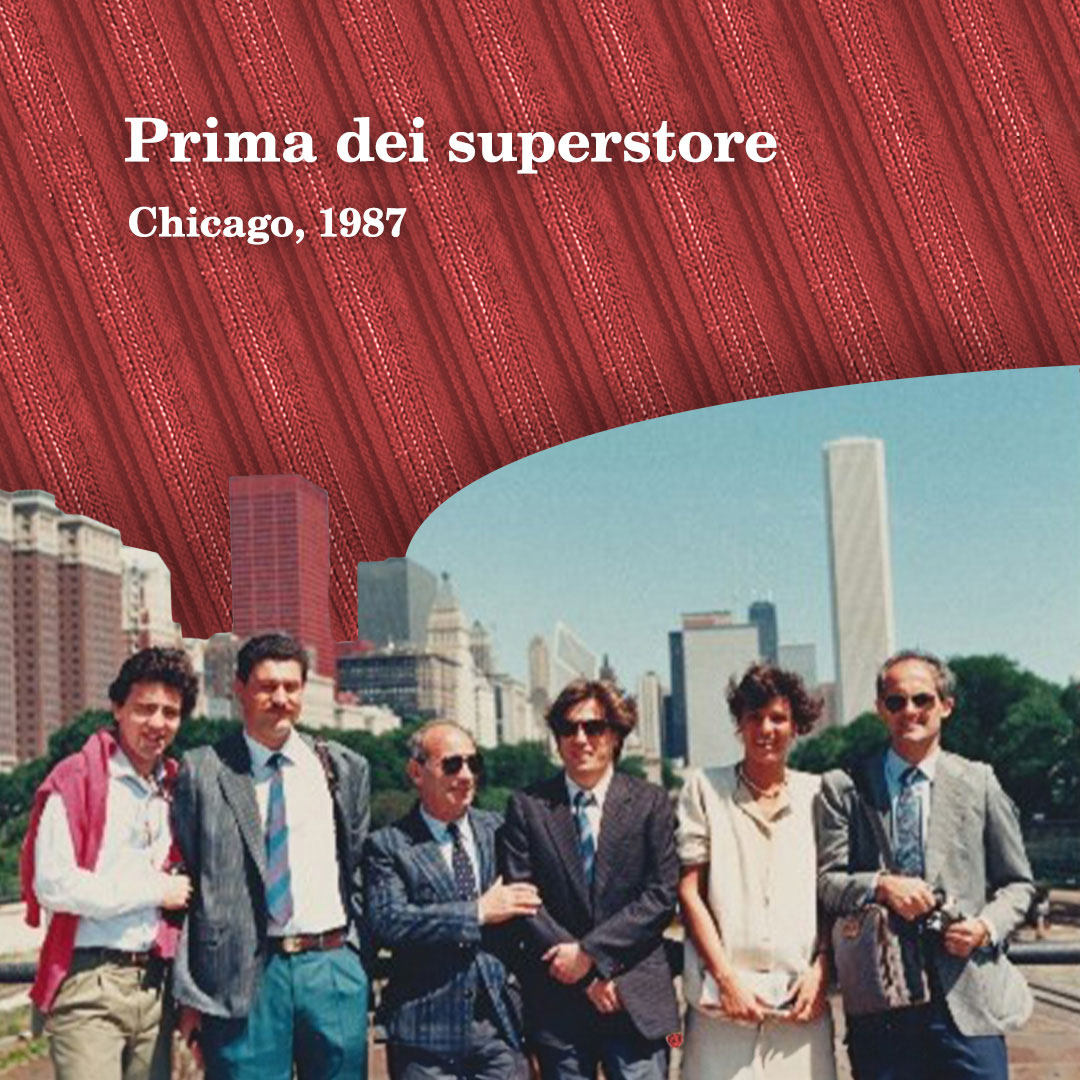
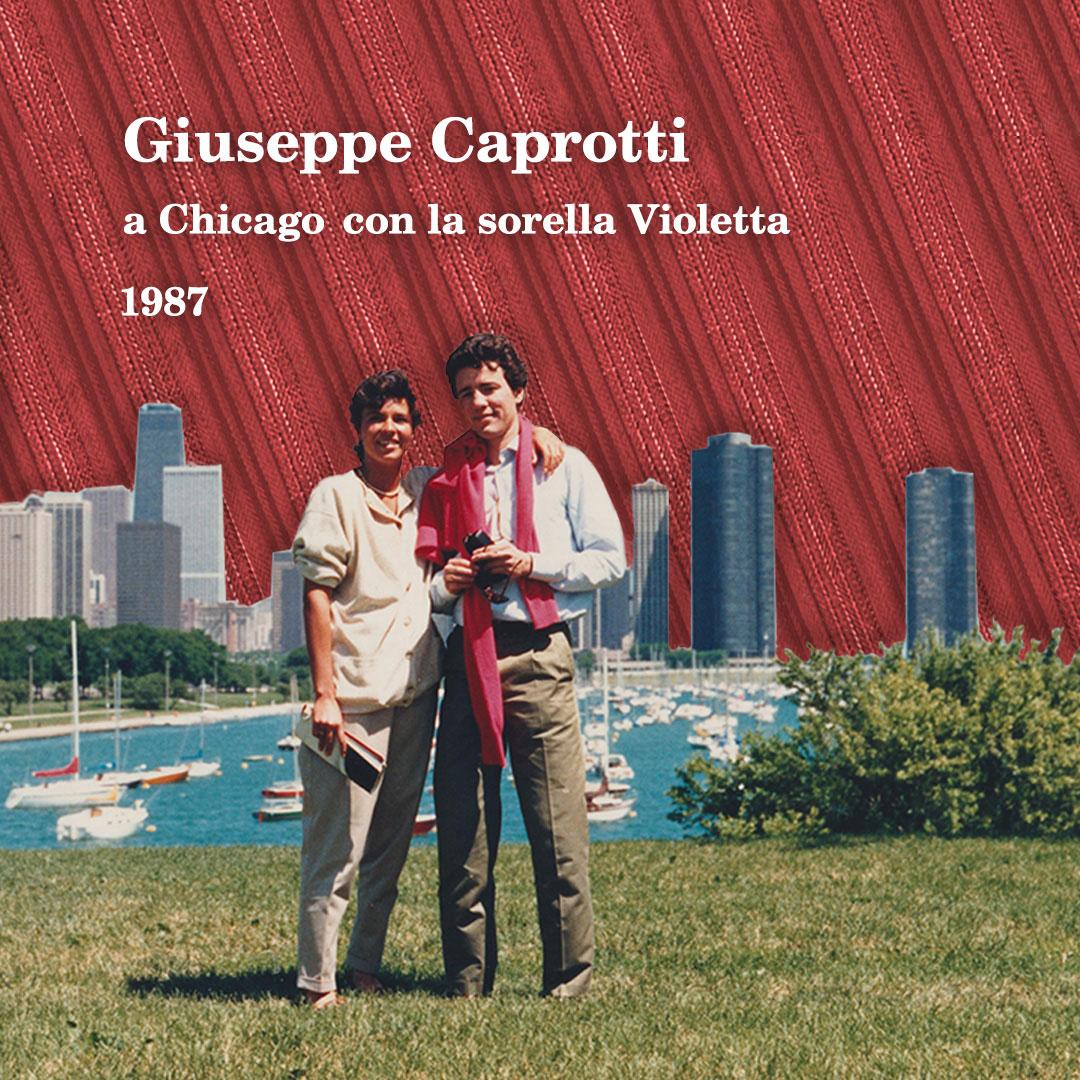
9. With Giuseppe’s stay in Chicago, following the example of the United States, the Superstore project began: new logo, new architecture with designs by Ignazio Gardella (1987). Germana Chiodi, my father’s historical assistant, says that ‘Bernardo makes them [the superstores] and Giuseppe fills them’.

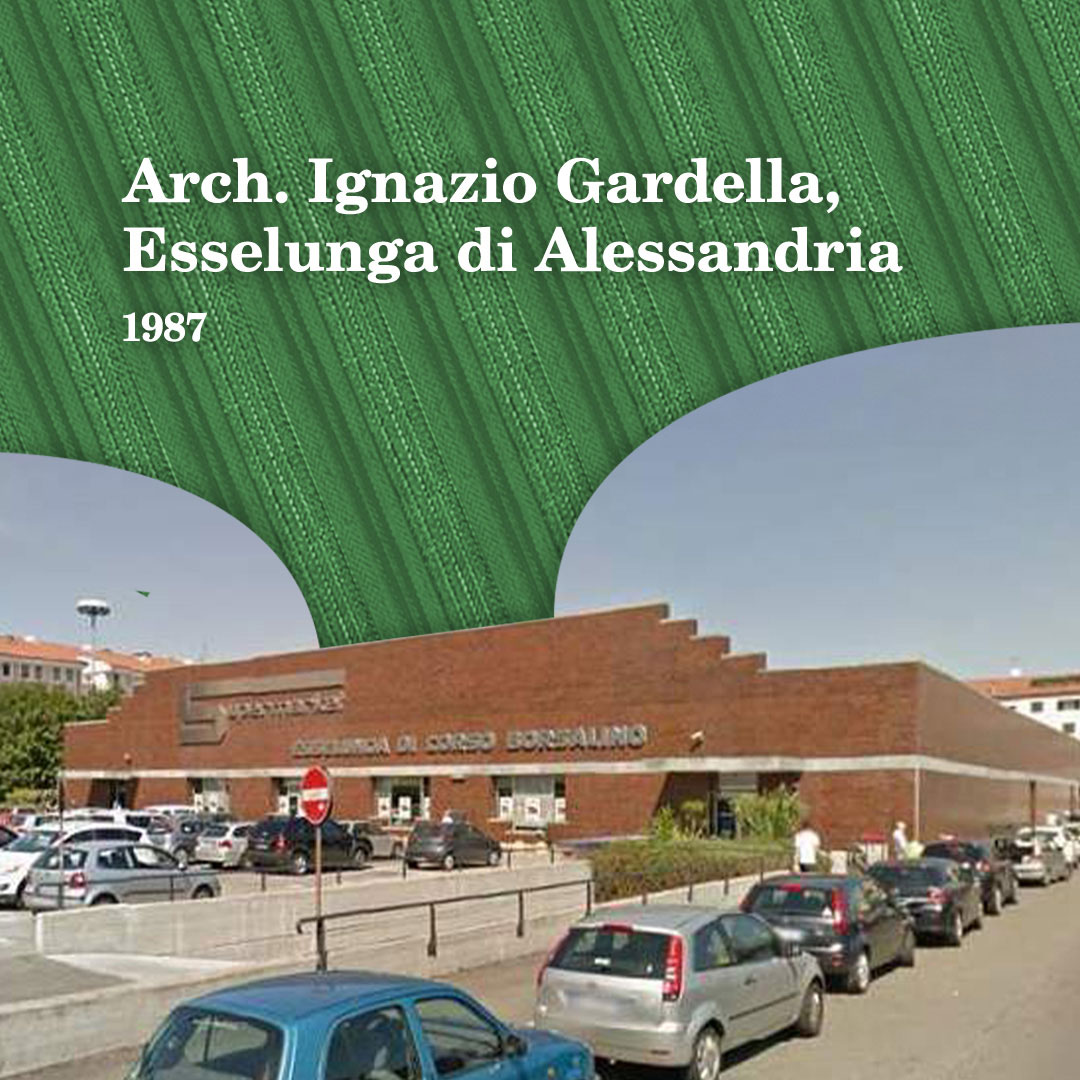
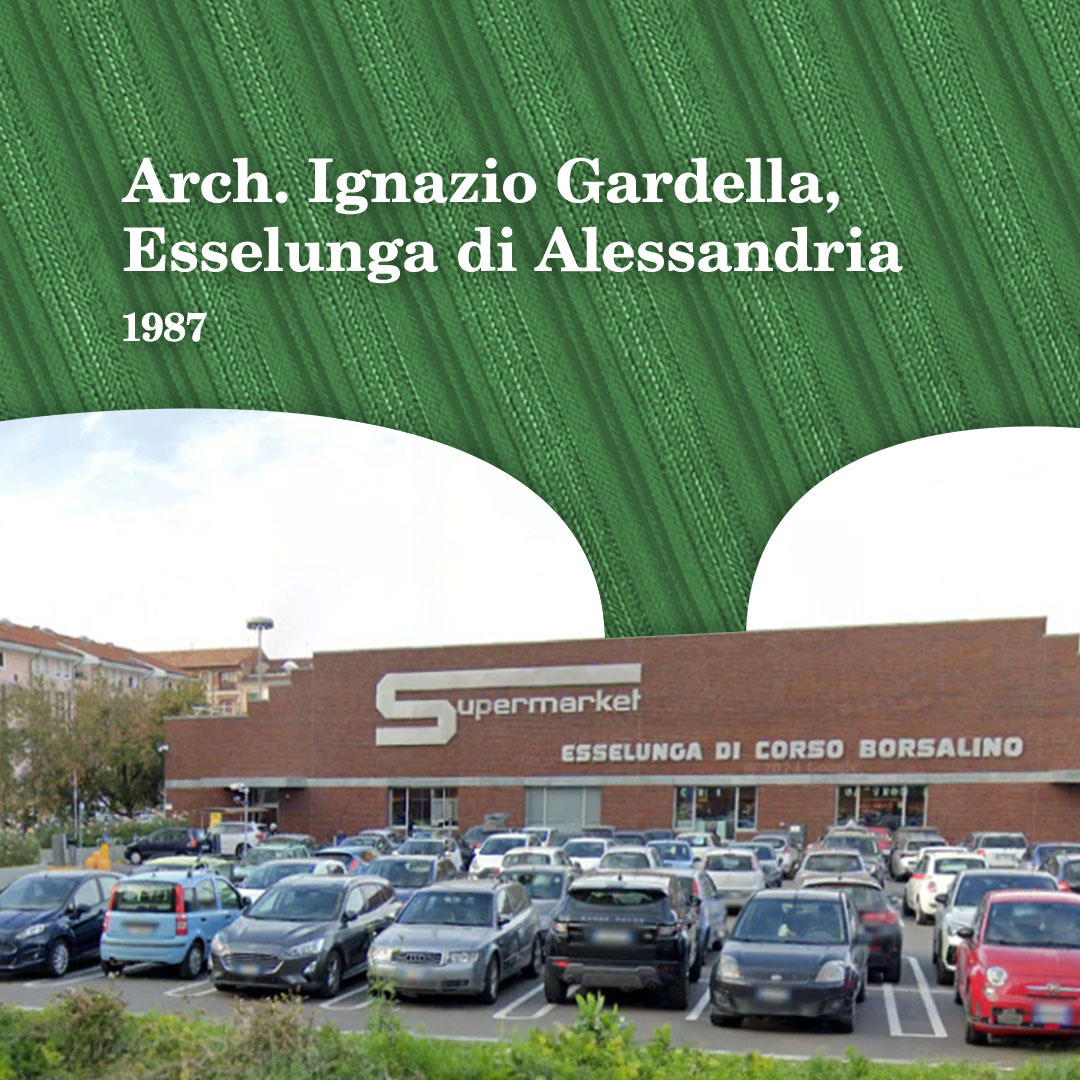
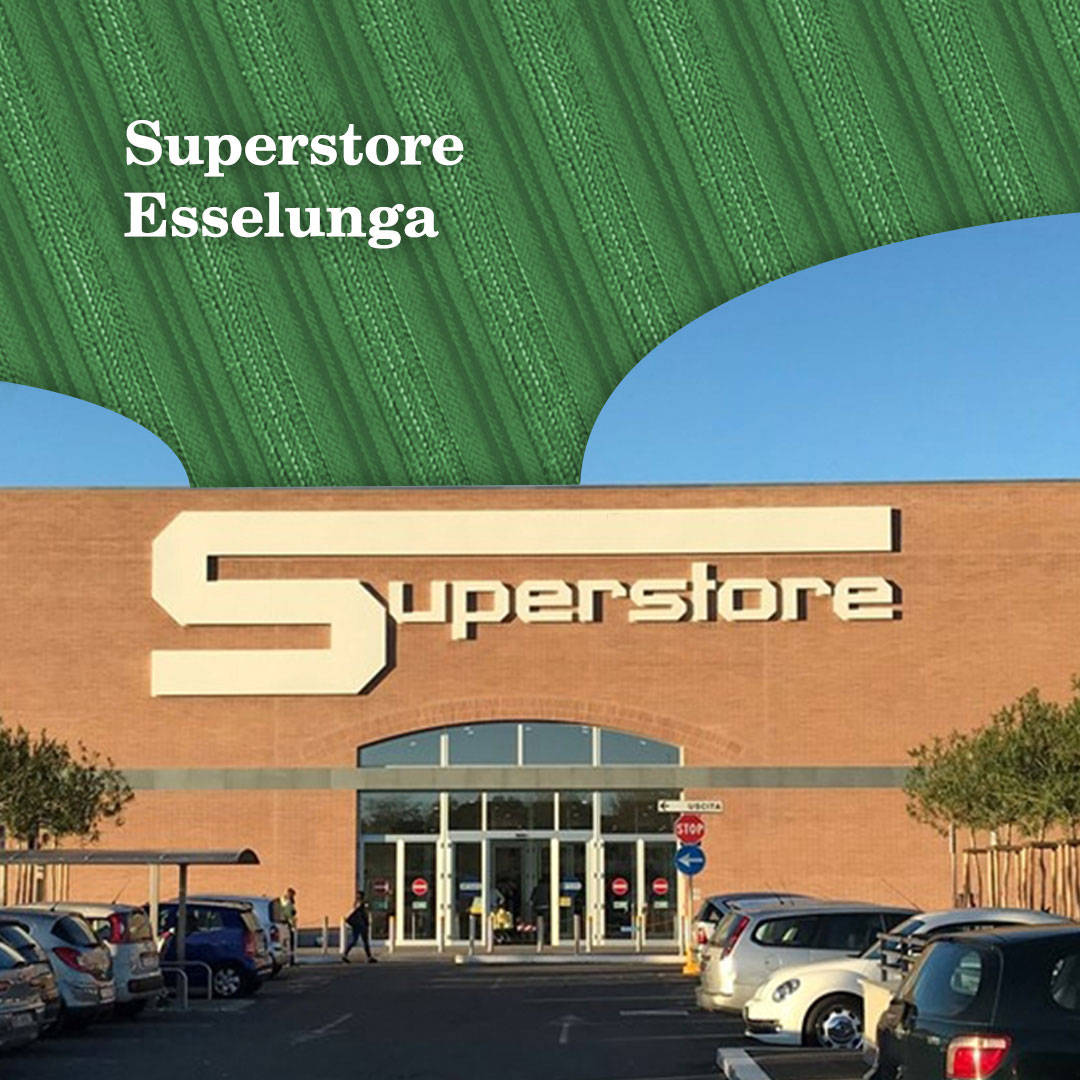
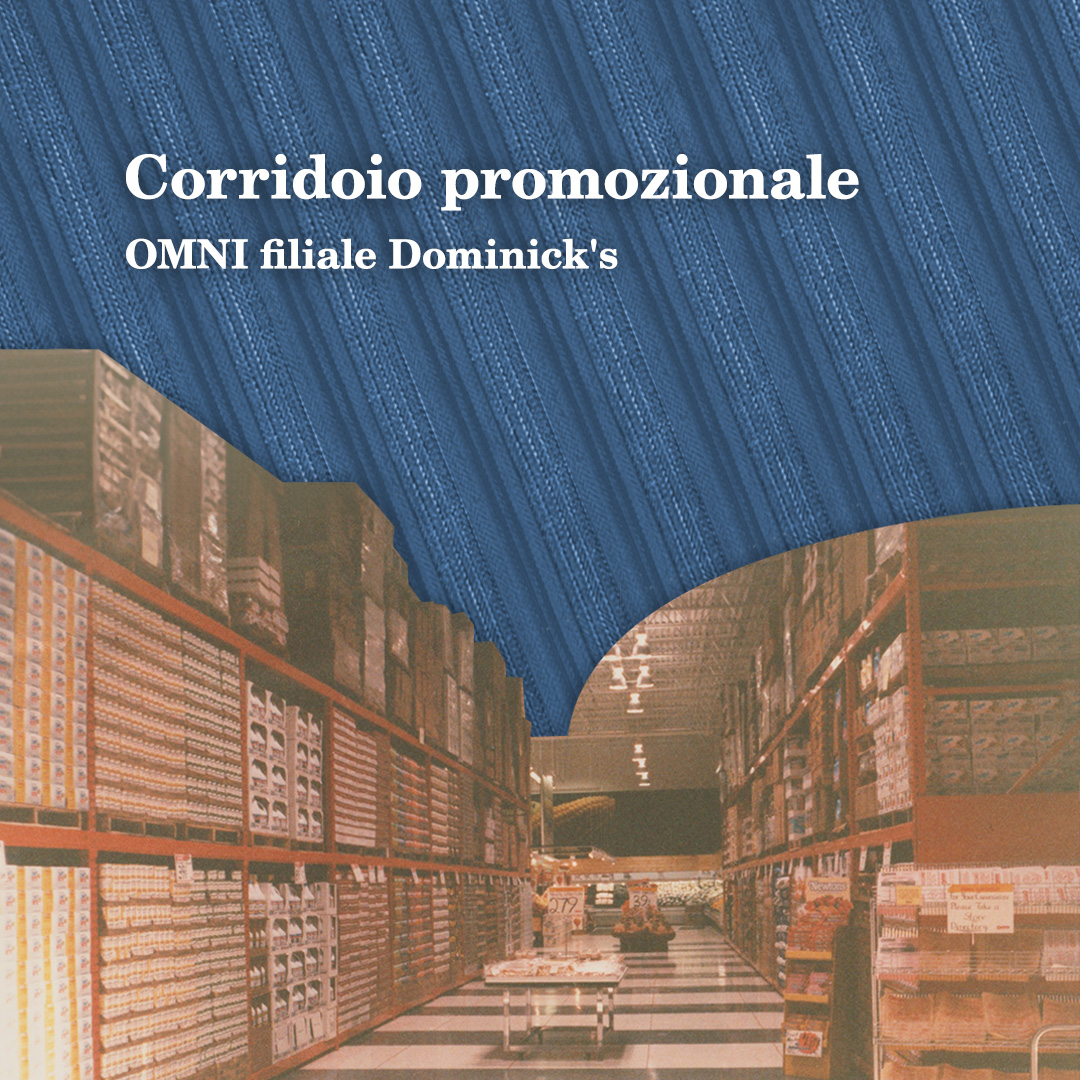
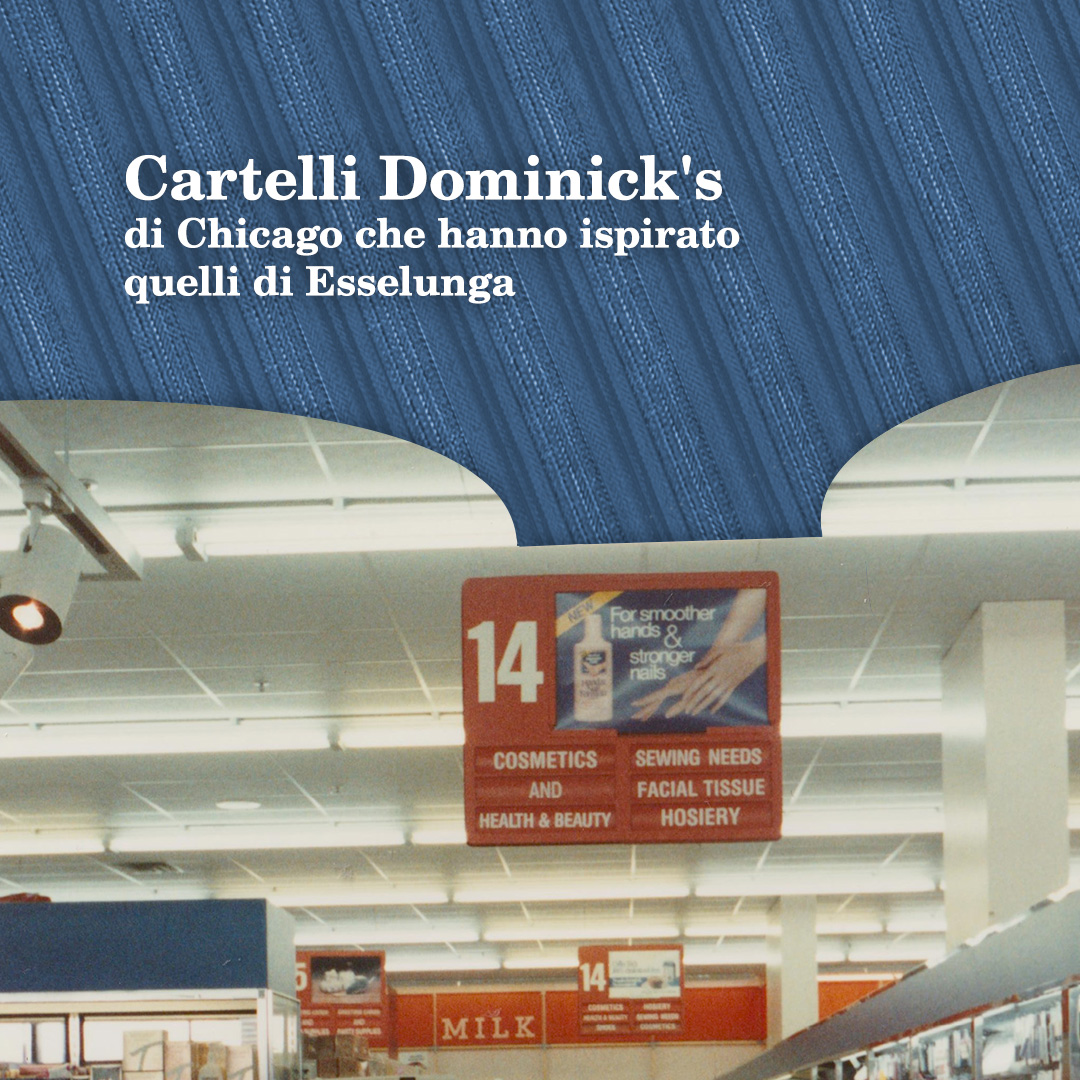
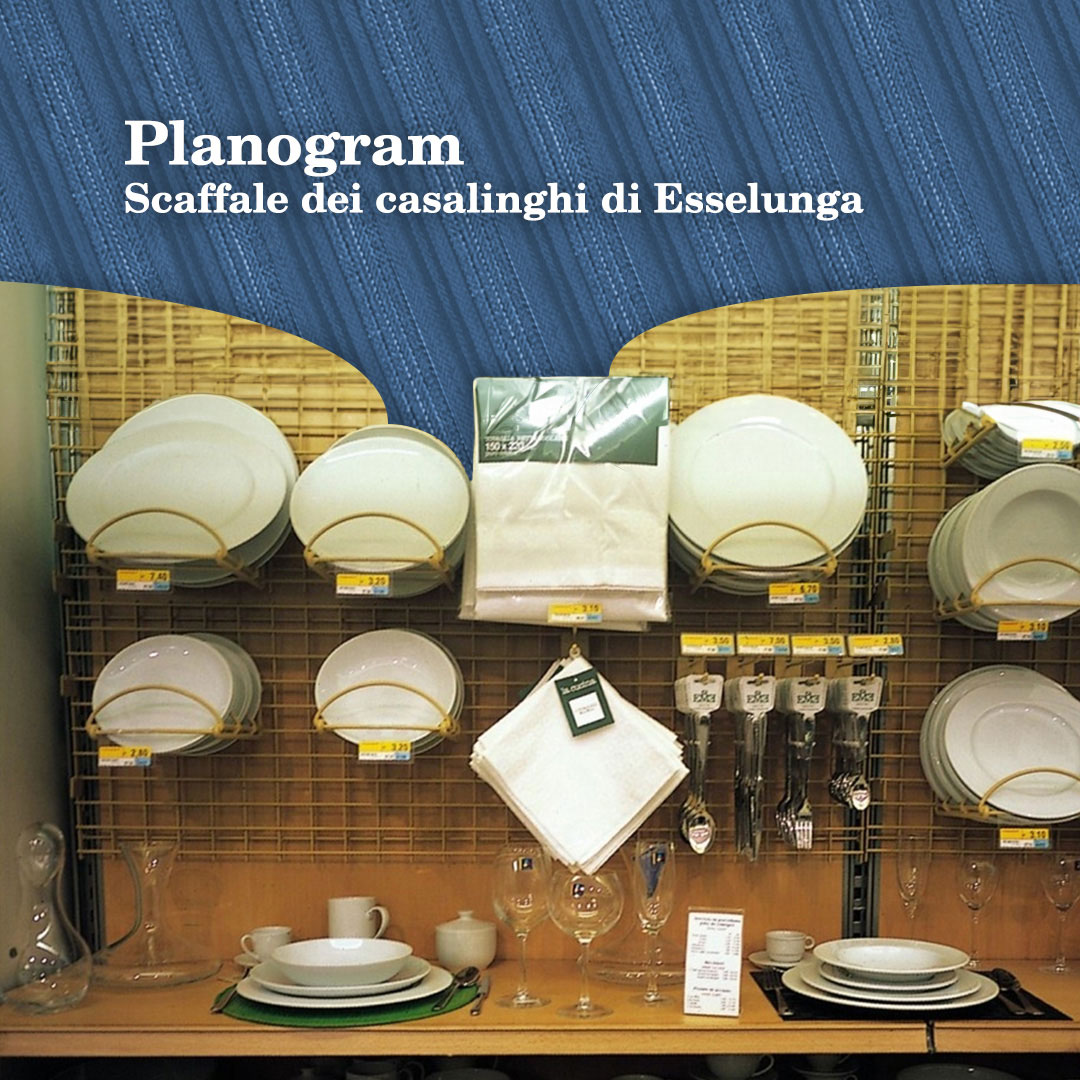
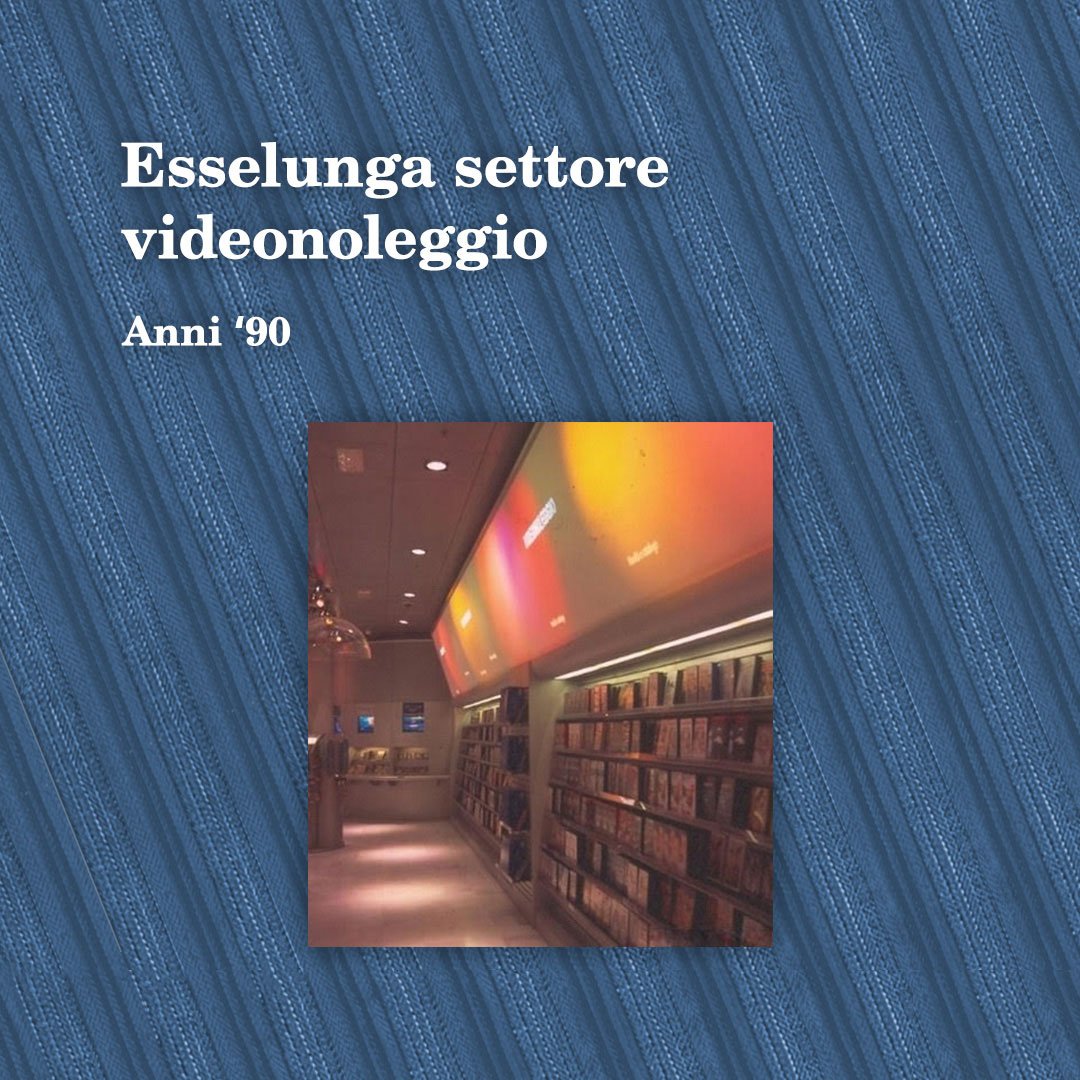
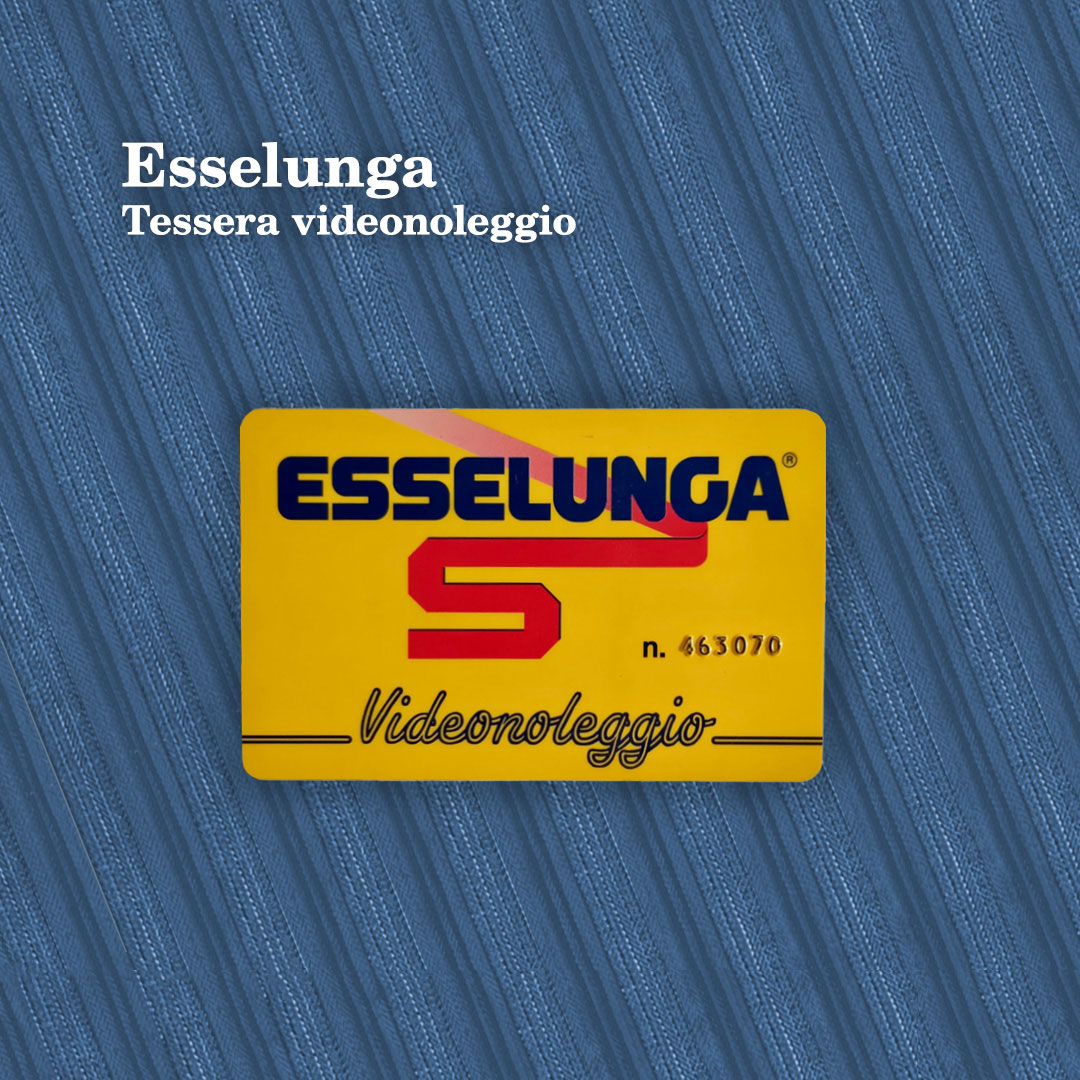
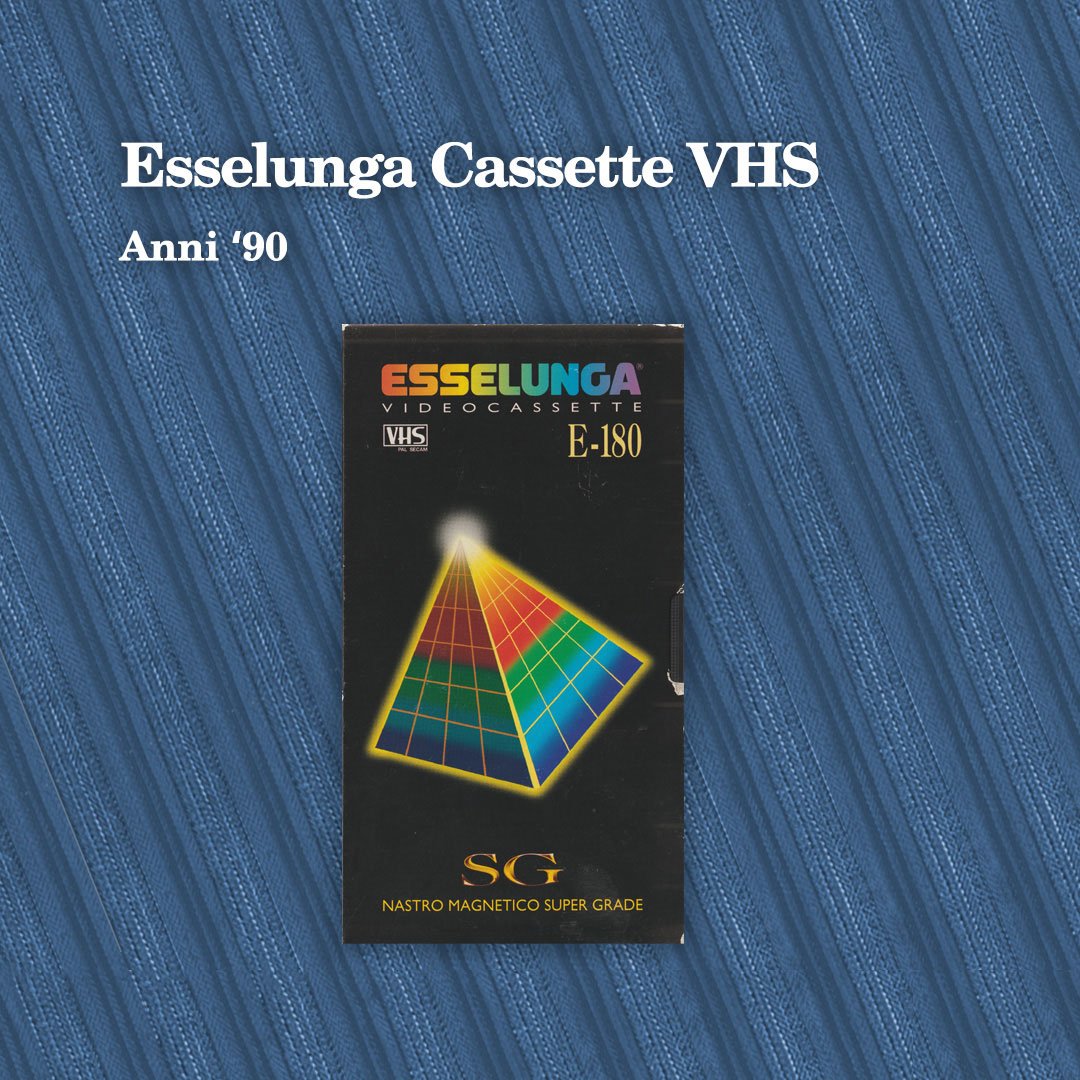
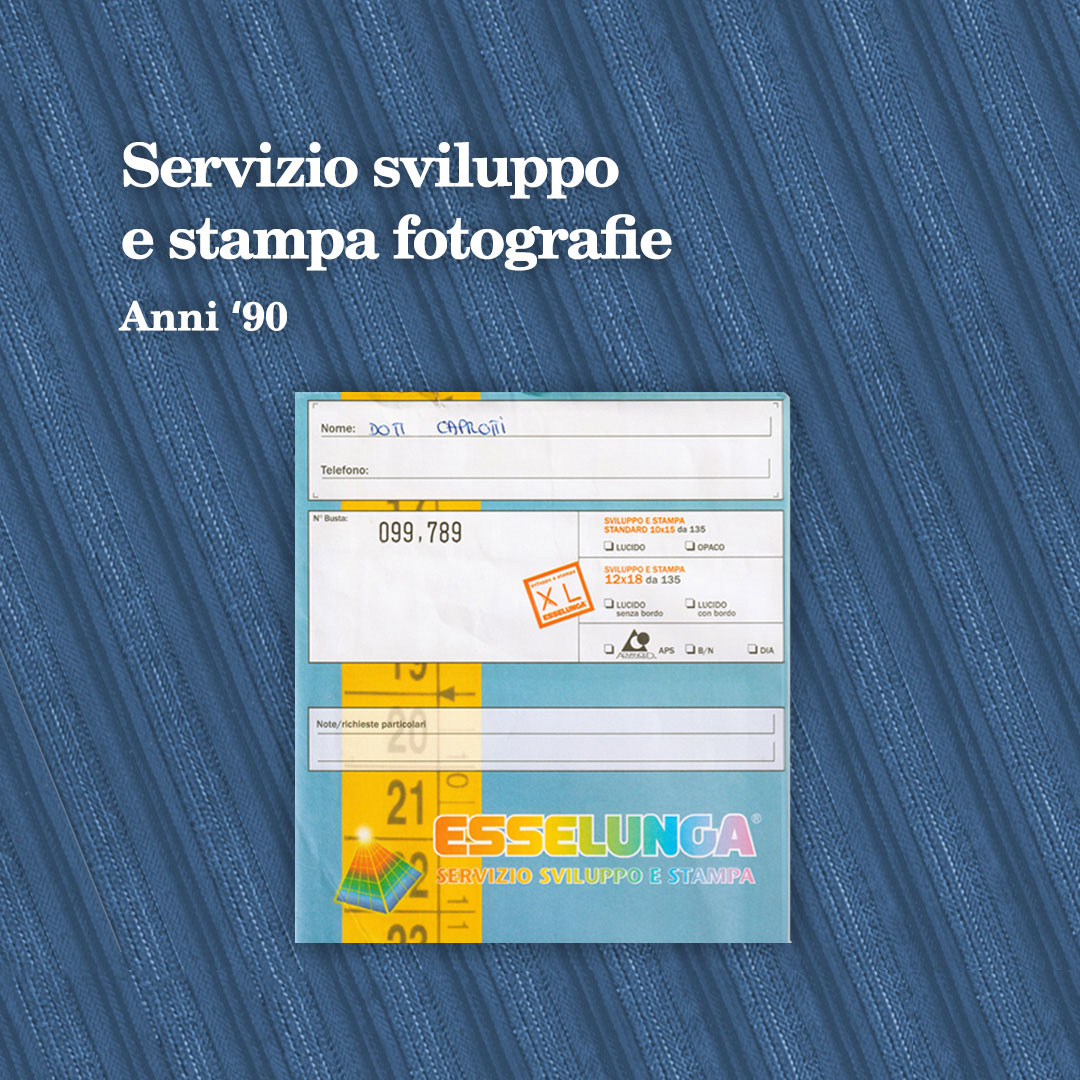
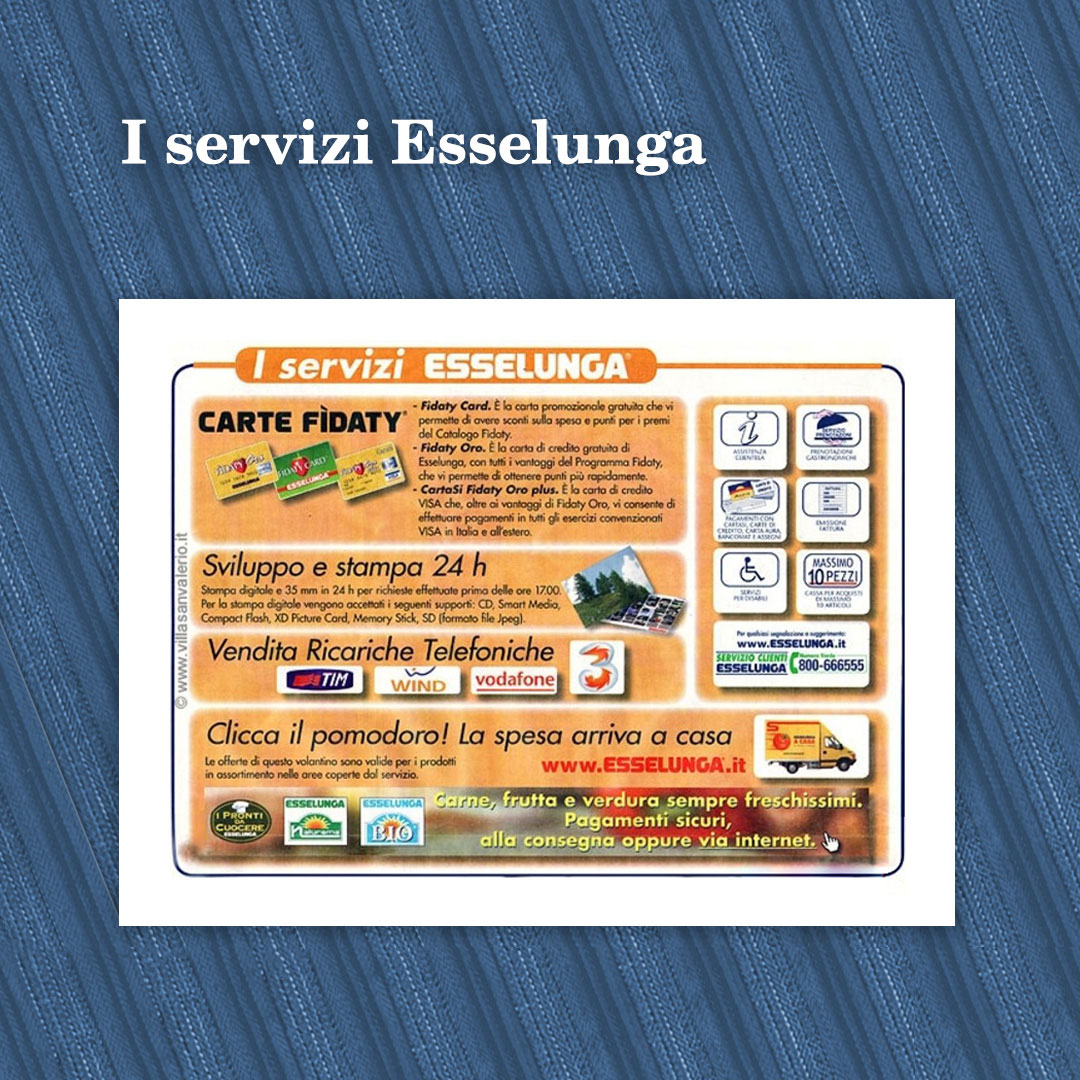
10. At the end of the 1980s the assortment changed (with the non-food from 6000 total products, mainly food, to 27,000), the layout of the sales area changed (e.g.: promotional aisle at the beginning of the superstores, completely different shelves for many types of products, such as newspapers, books, textiles but also household goods), new services were introduced (e.g.: photo development and video rental). Thanks to Fabio Belleré for the customer card in the image) and new departments (video audio photo, perfumery). Display methods, stocking, logistics and purchasing and sales organisation are changed.
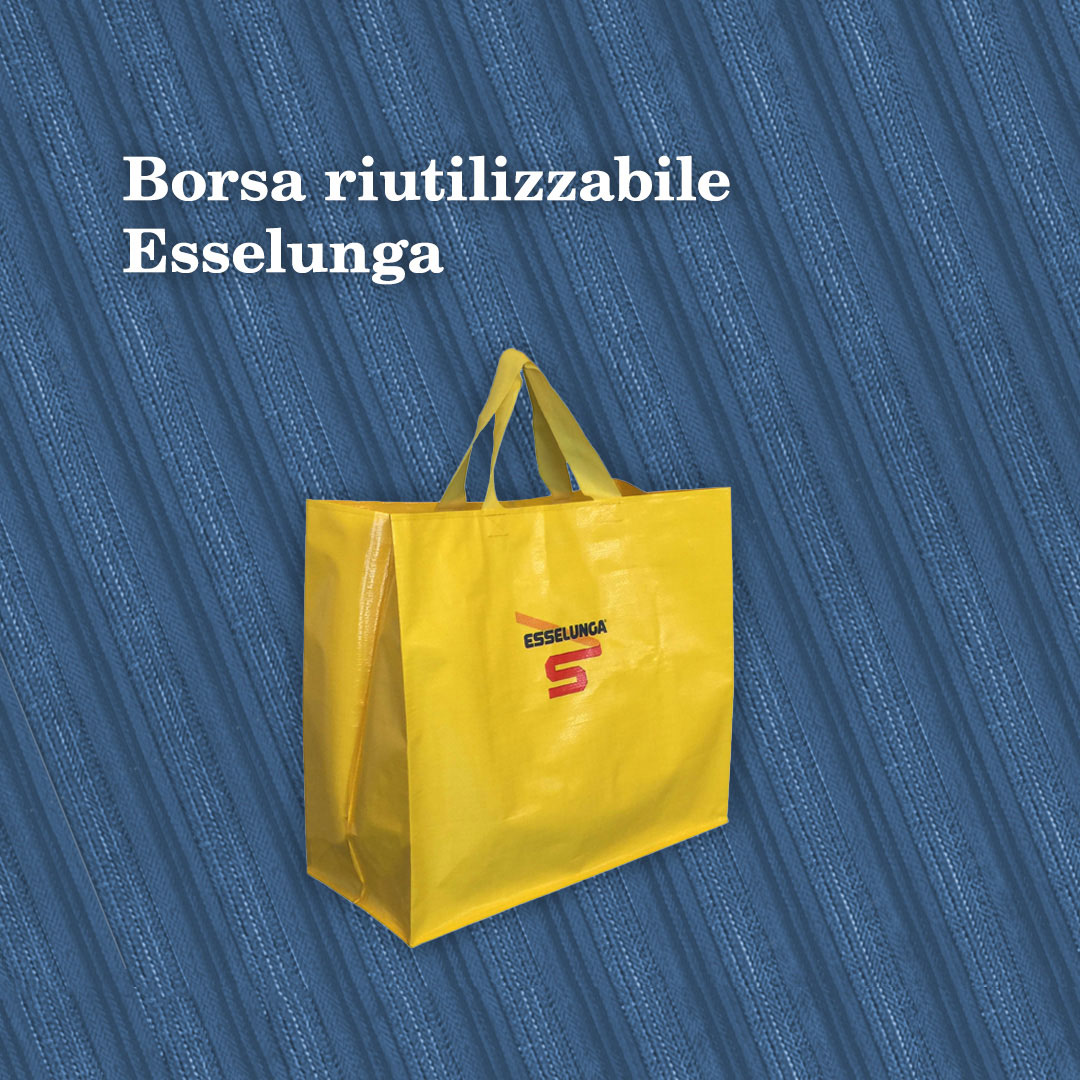
With the superstores, the size of the yellow bags, which become larger, also changes.
In the fruit and vegetable departments, an area is dedicated to bulk, with scales. Bulk products make buying fruit and vegetables in Esselunga more convenient.
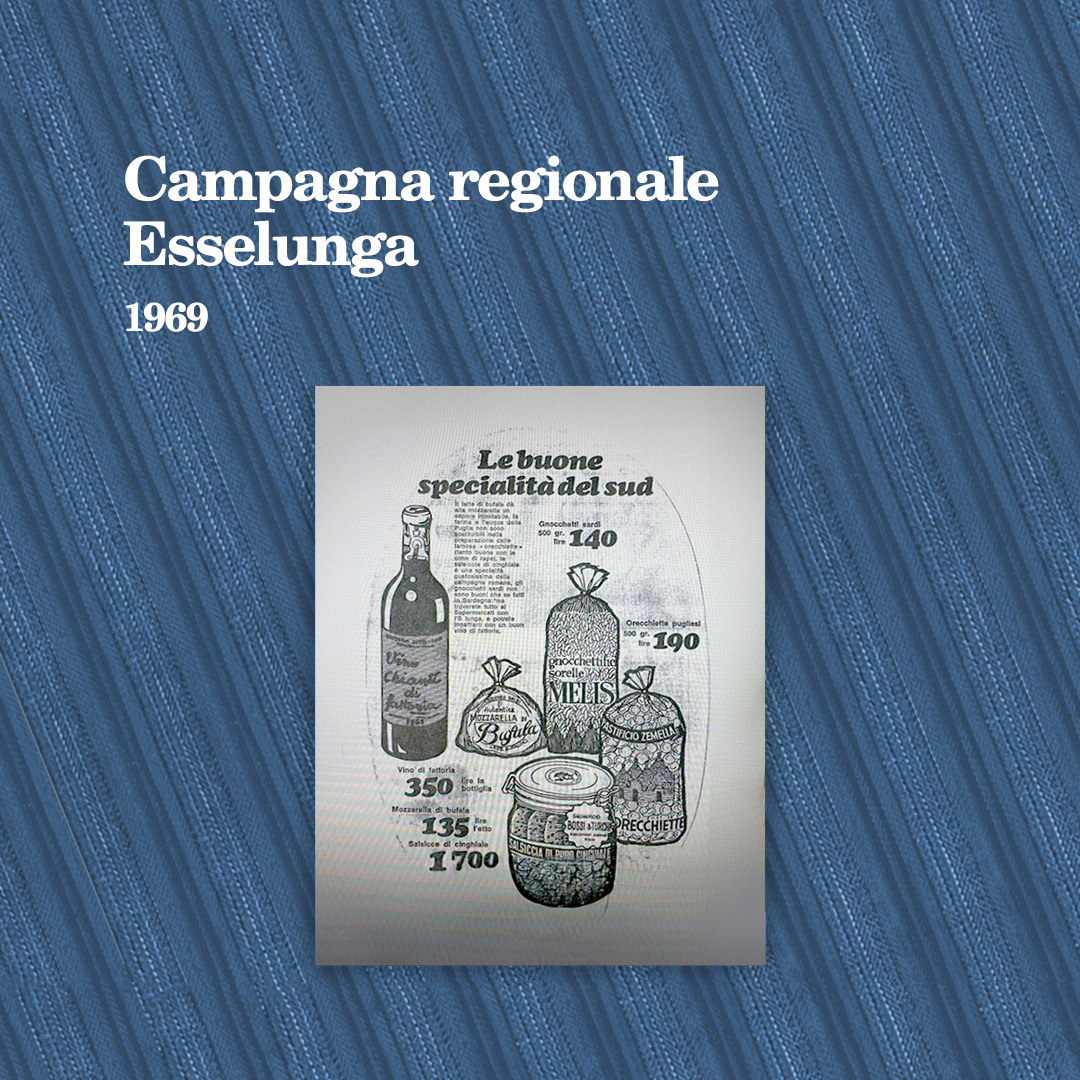
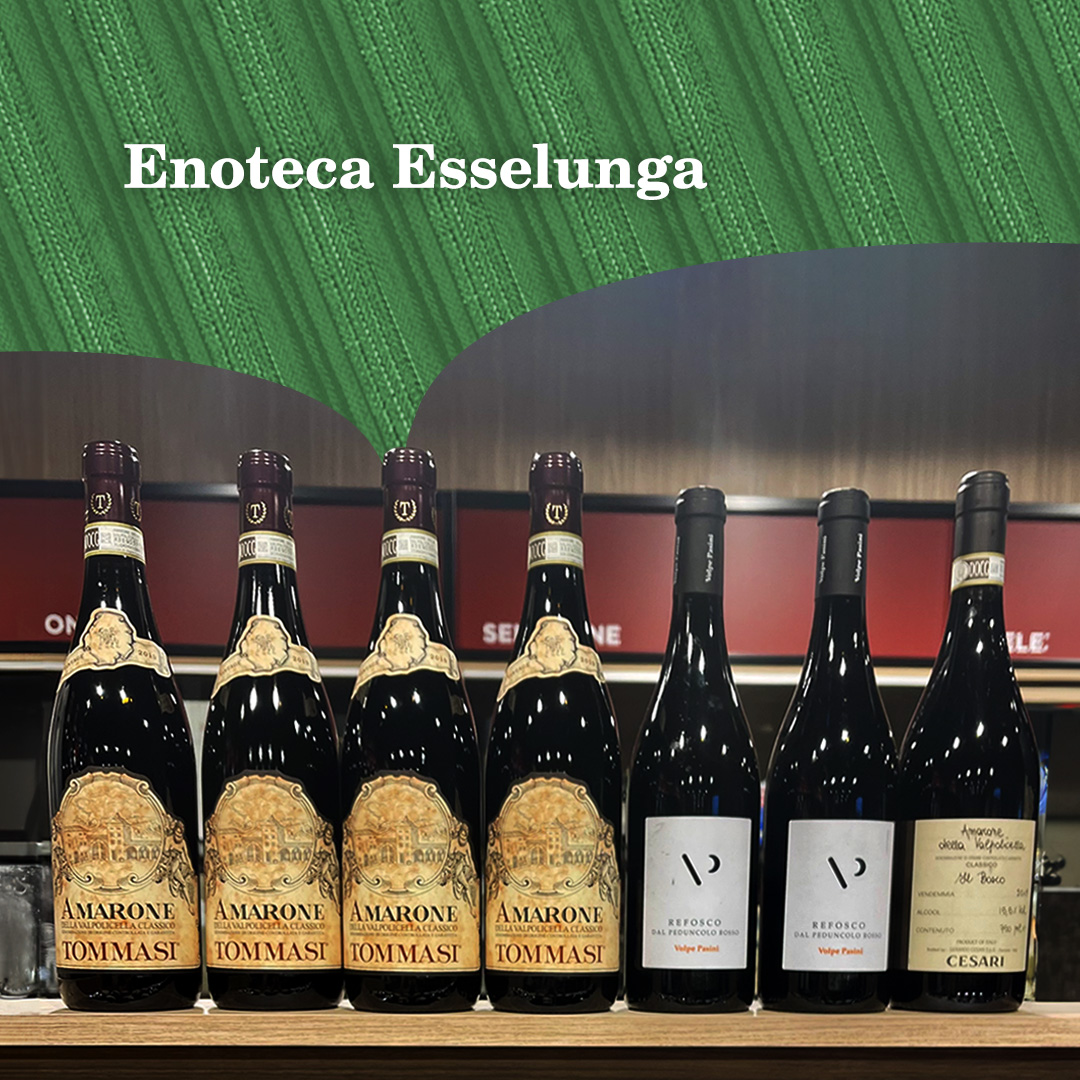
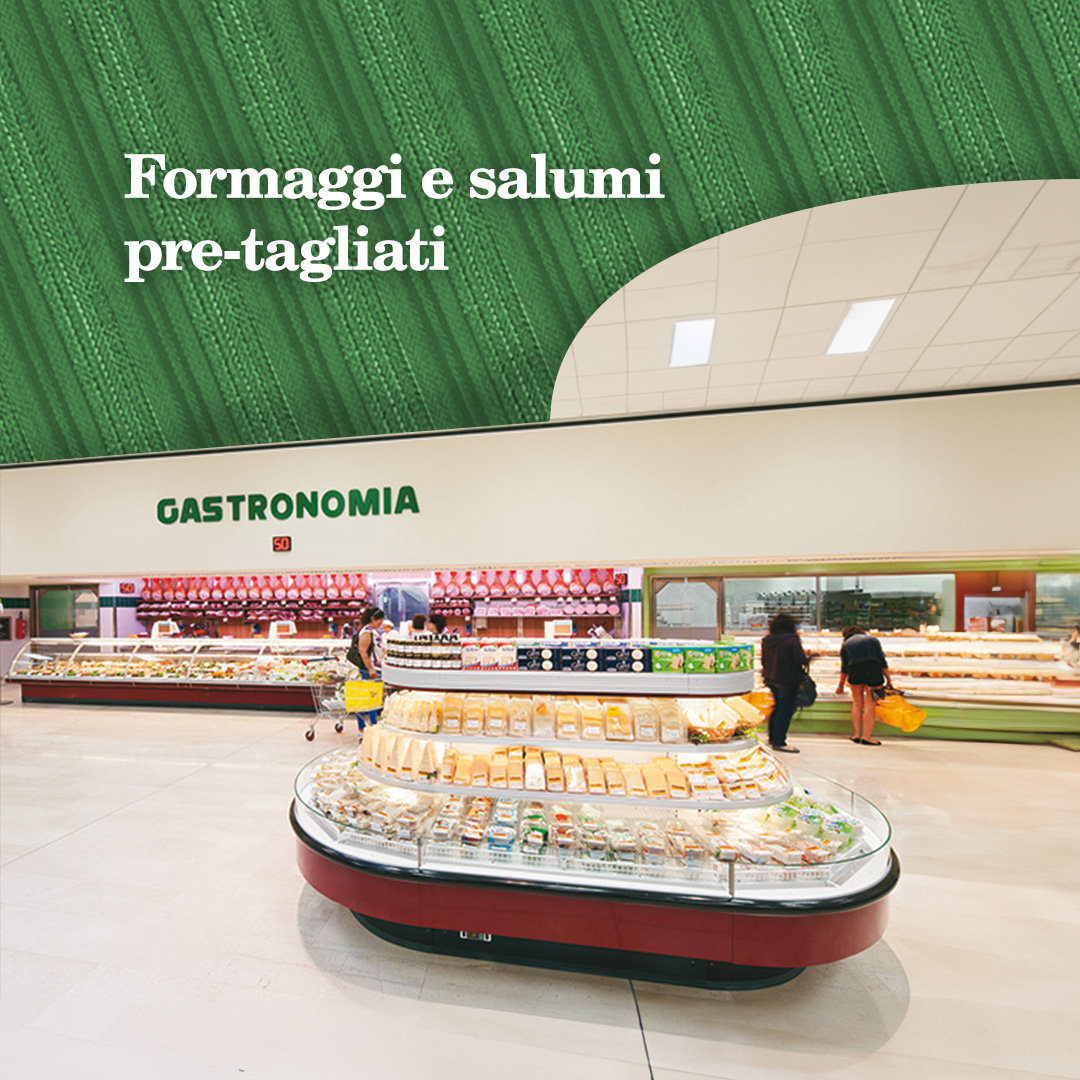
Then we install wine bars, pre-cut products in the delicatessen, the possibility to reserve products for parties, and fast checkouts for those who have no more than 10 items in their trolley. The assortment, starting in Tuscany, is adapted to the provinces and regions, with local products.
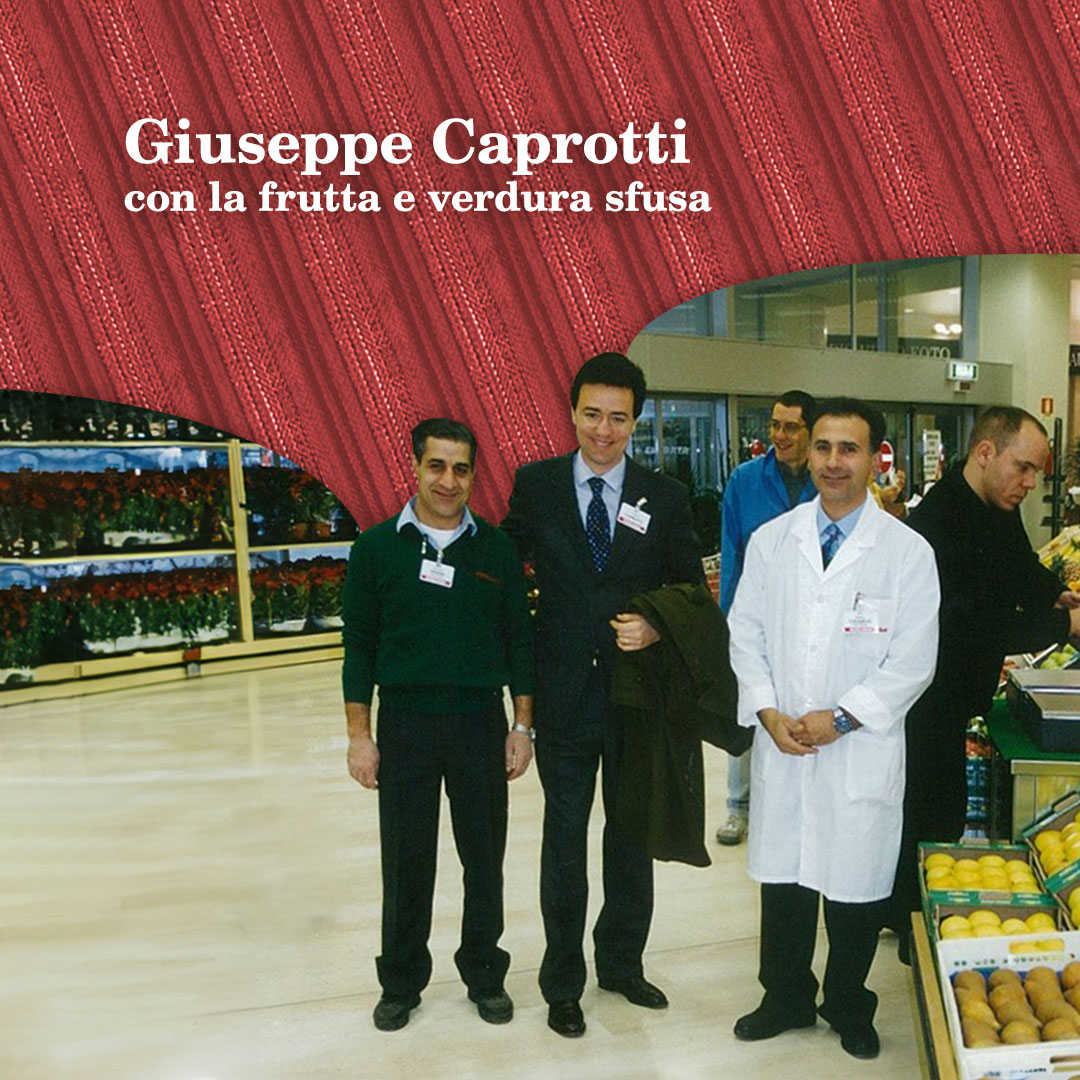
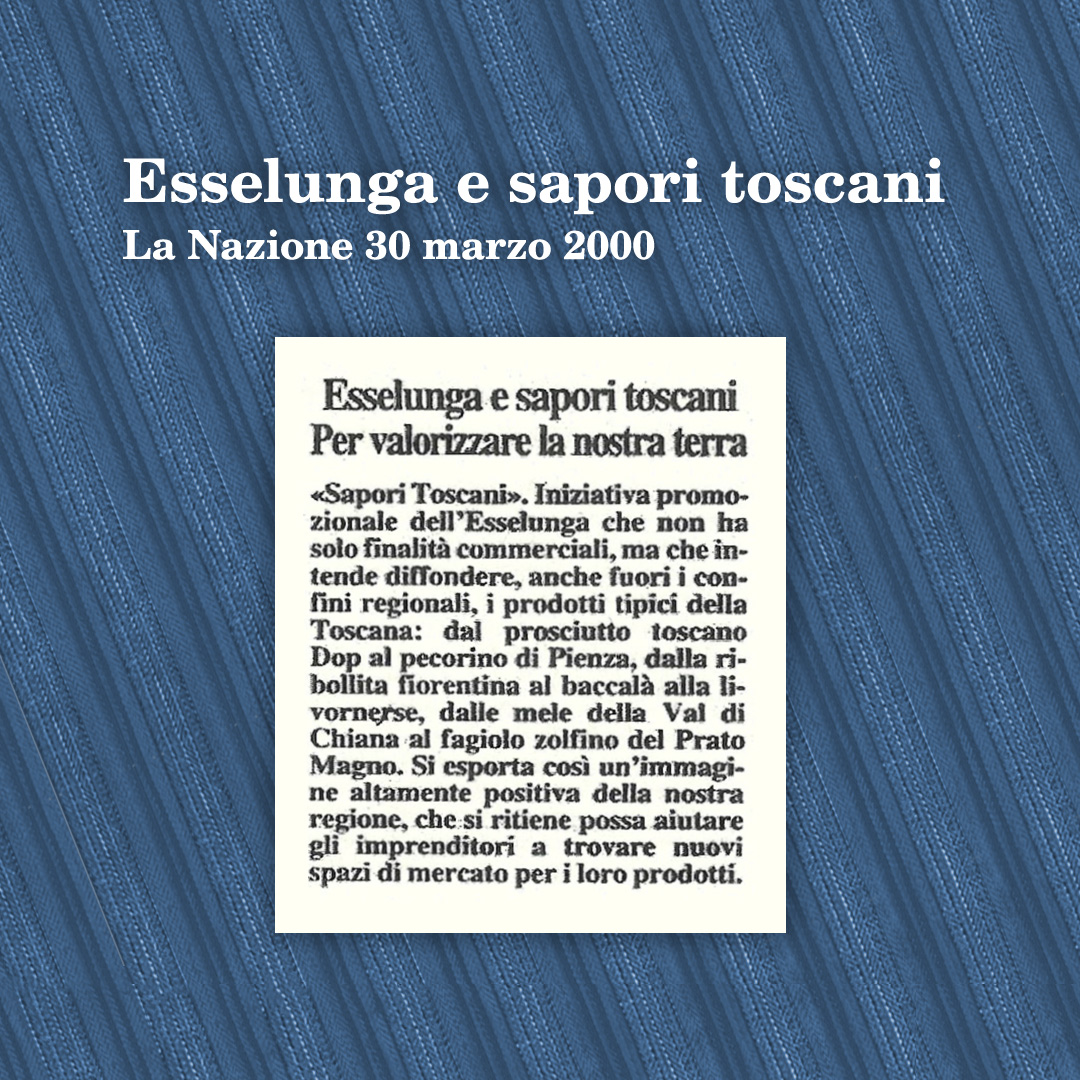
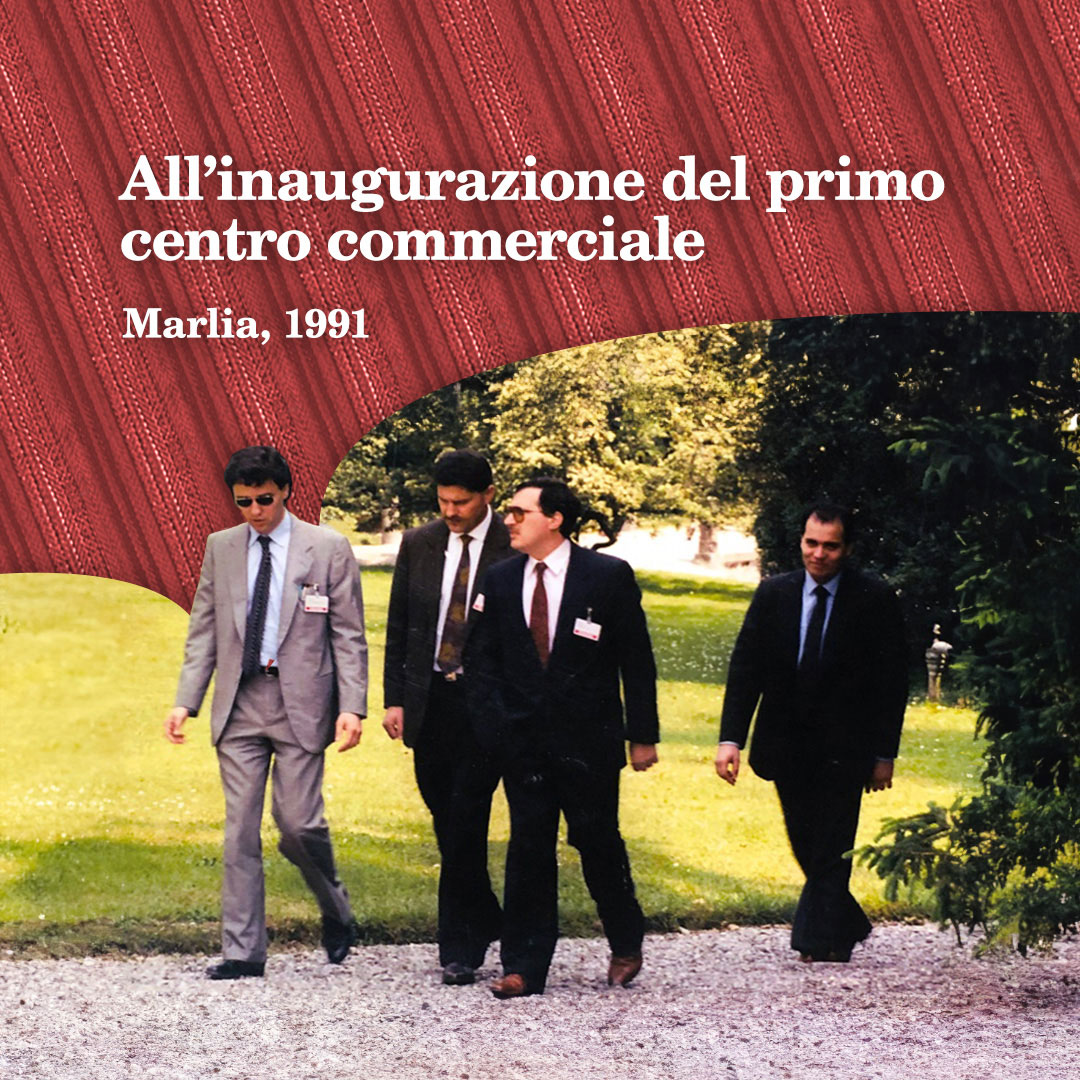
11. In 1991 the first shopping centre was opened in Marlia (Lu).
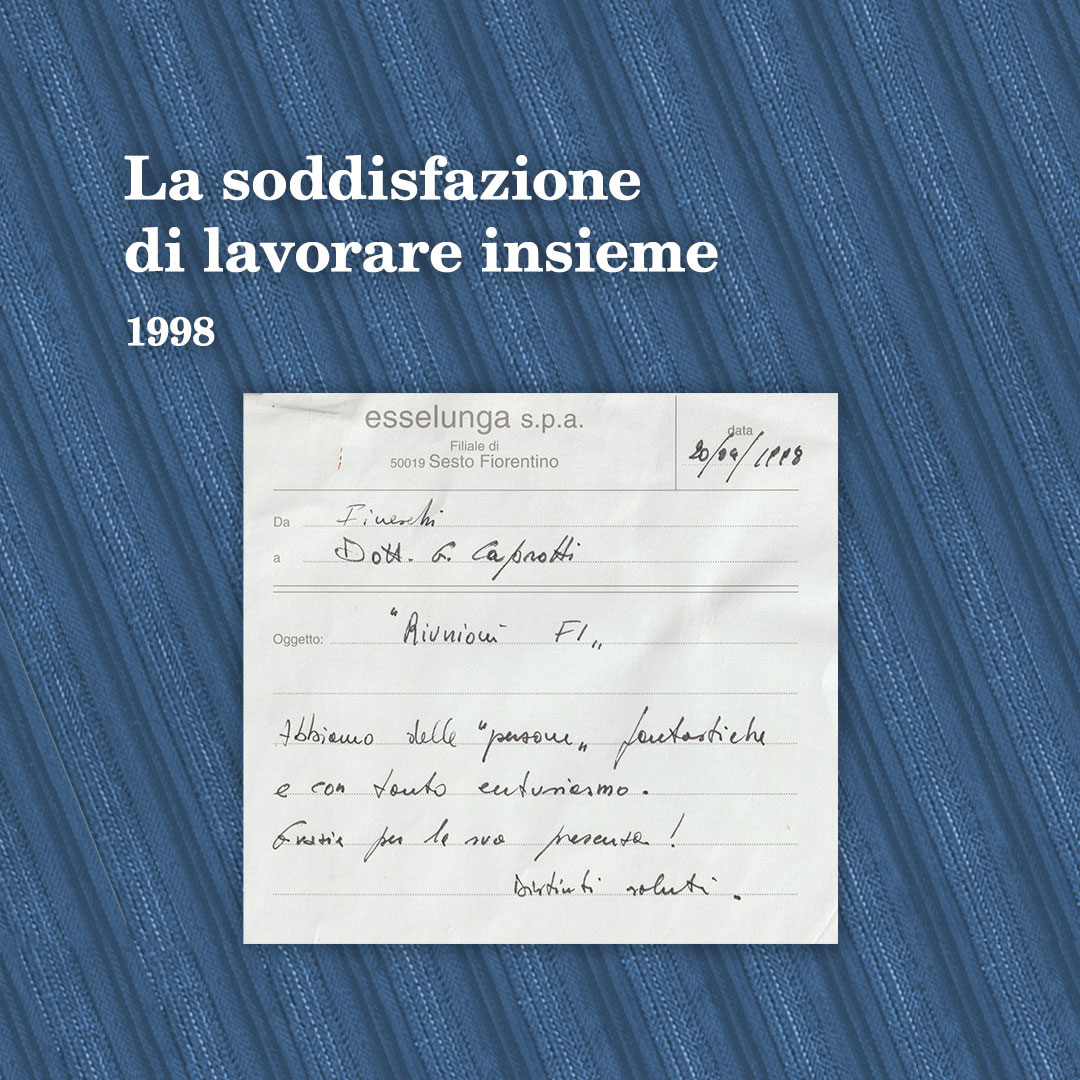
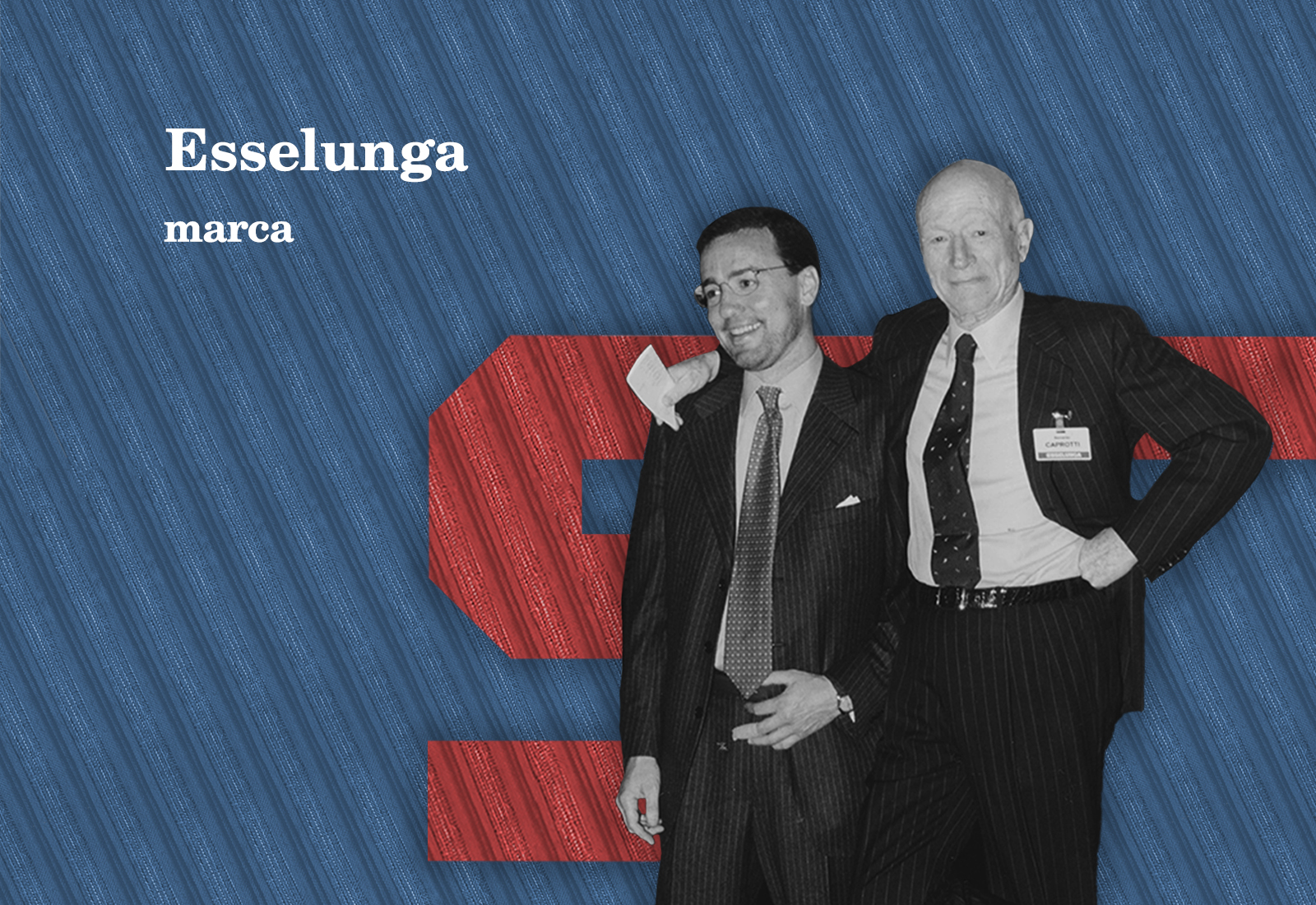
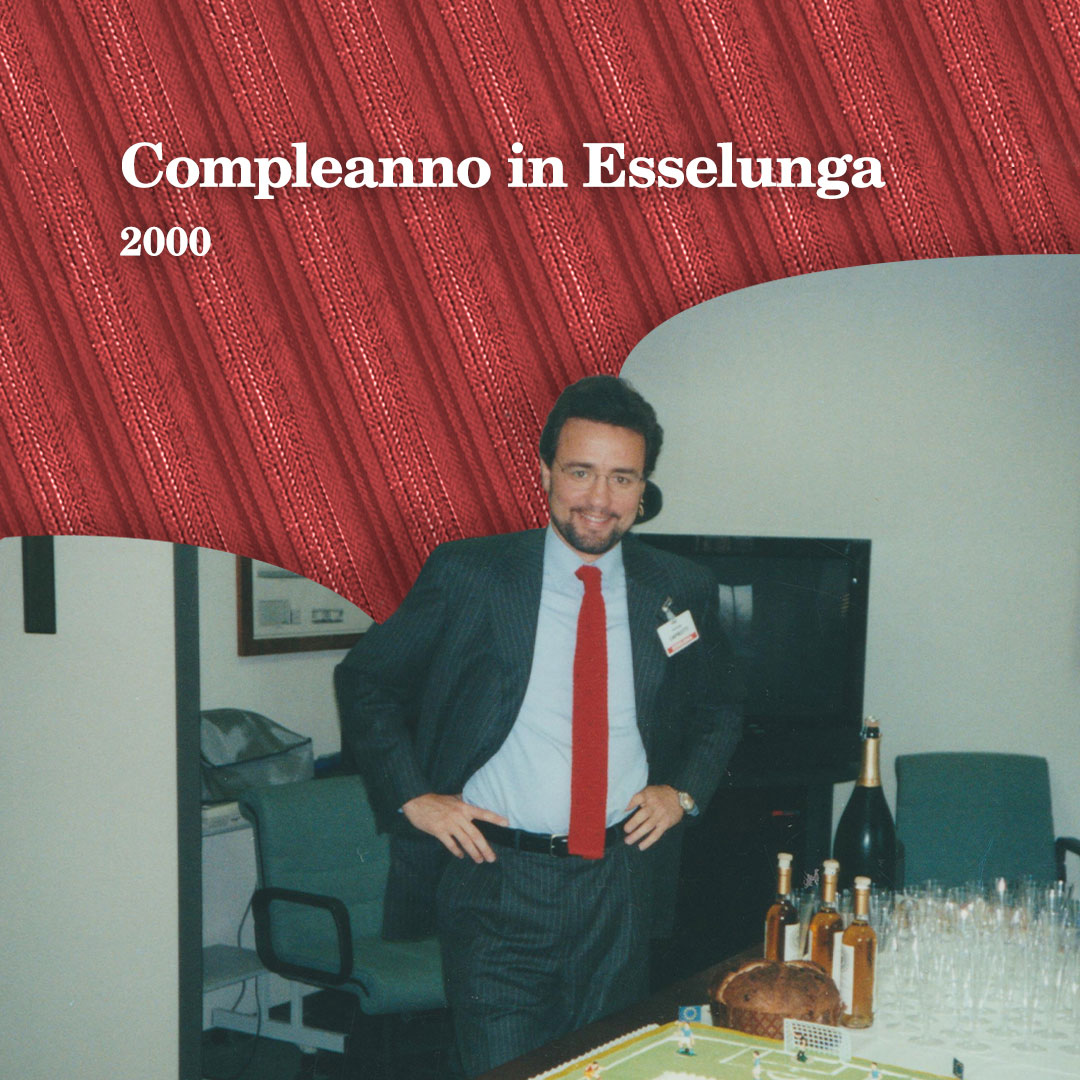
In the photo: Giuseppe Caprotti with Aldo Botta, Marino Fineschi and Alessandro D’Este.
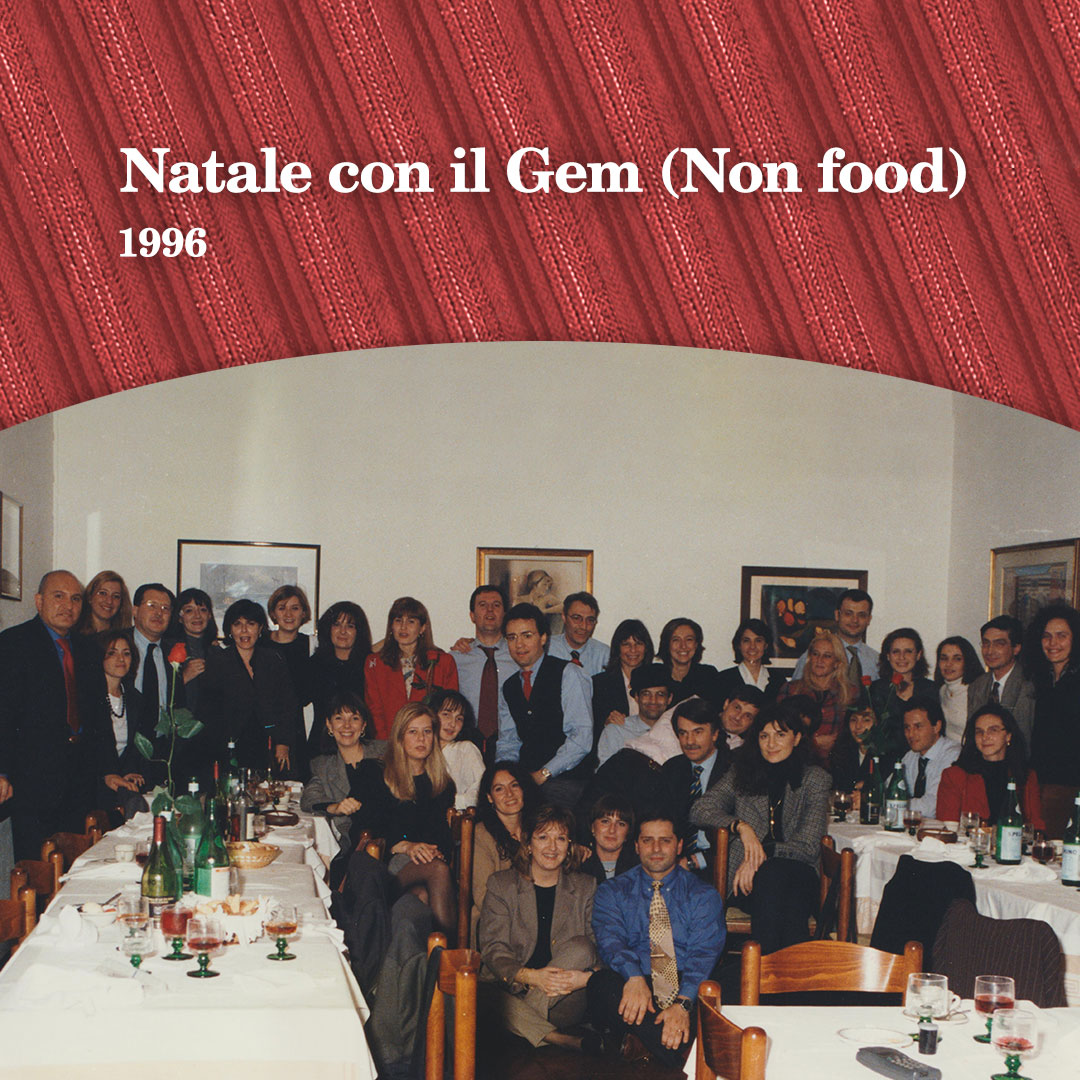
12. In that same year Non Food was also officially created, which at Esselunga had an American name (GEM, from General Merchandise).
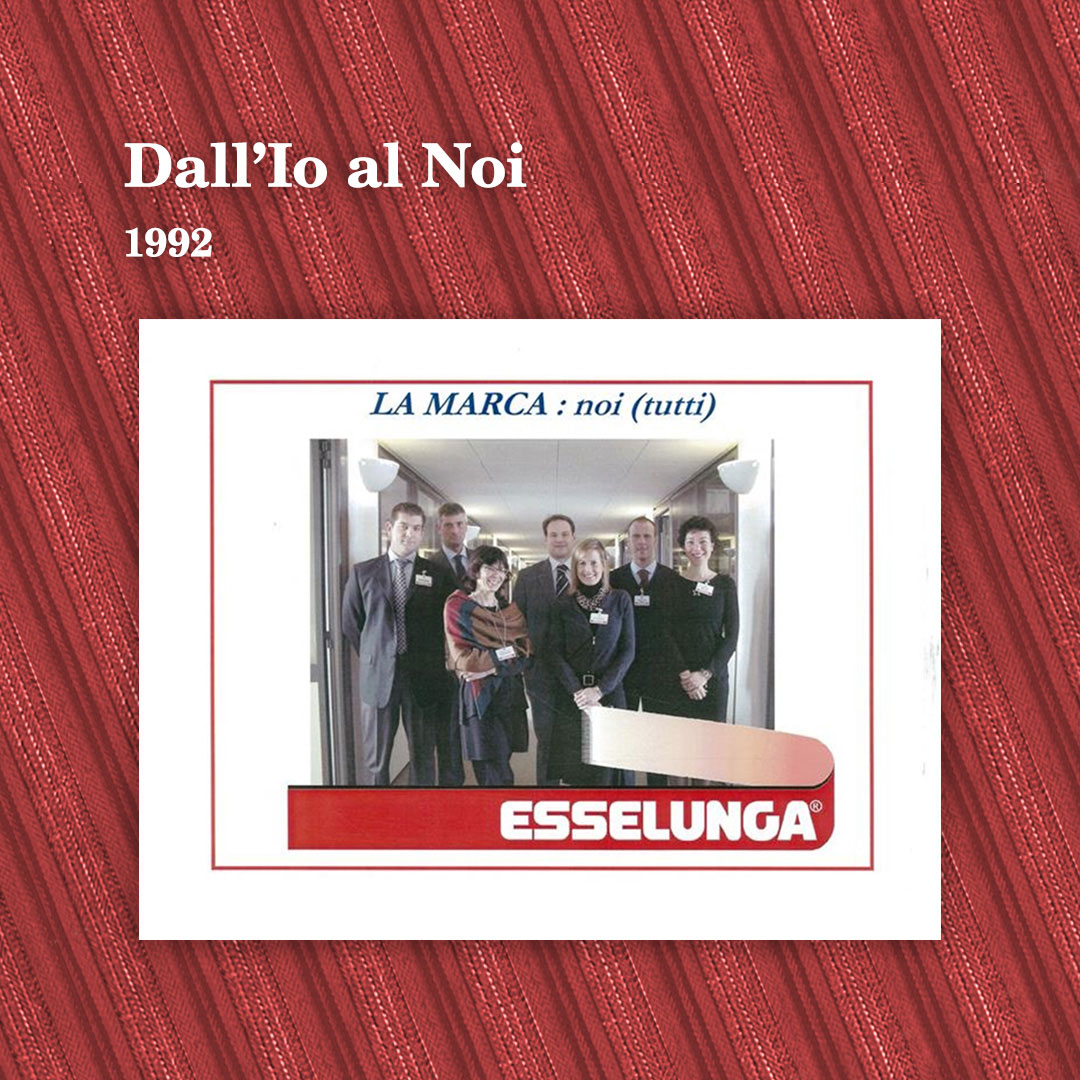
13. In 1992 the first meeting of the shop managers with me: “from I to we”. In the 1990s Esselunga already had the highest sales per square metre in the entire market (see 1993, in G. CAPROTTI, Le Ossa dei Caprotti, pp. 205 ff.).
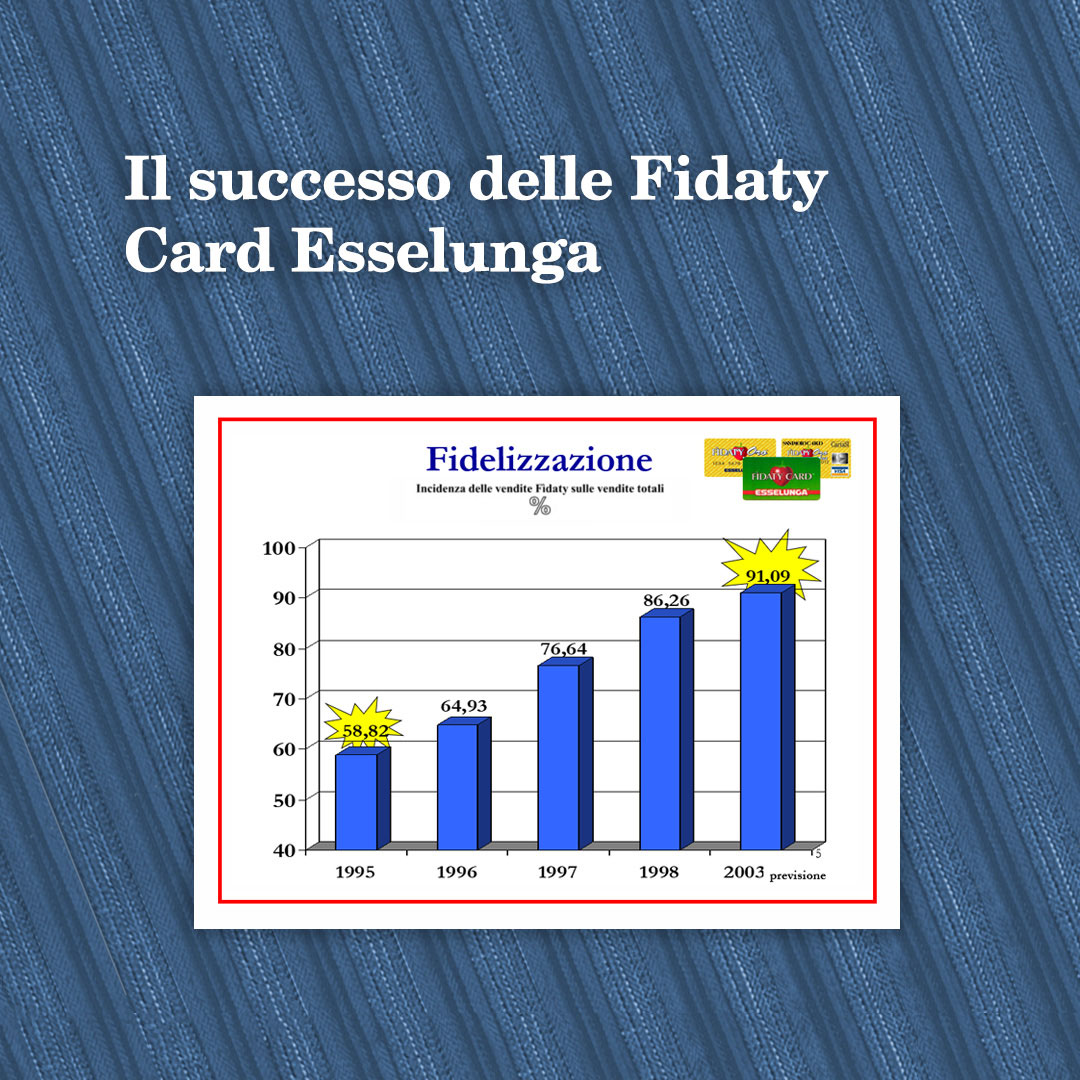
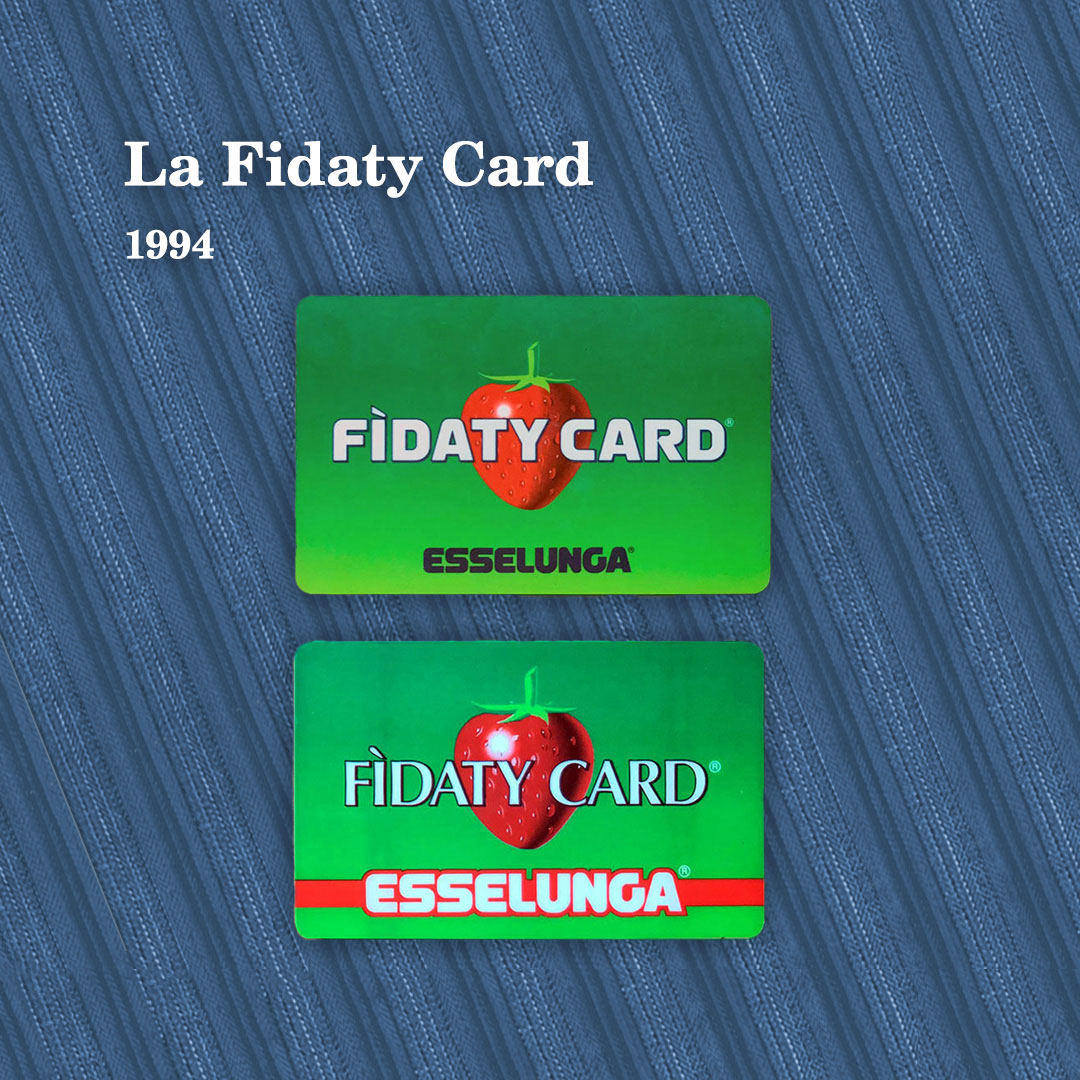
14. In 1994 the Fidaty card was born. For corporate marketing, but also for Italian marketing, it is a very important moment: collections with stamps disappear and all offers go through a loyalty card, as in the United States. We also adopt discount vouchers from the USA, which did not exist in Italy. Fidaty requires a call centre (1 million complaints and reports per year). Next come the payment cards (Fidaty gold and Visa).
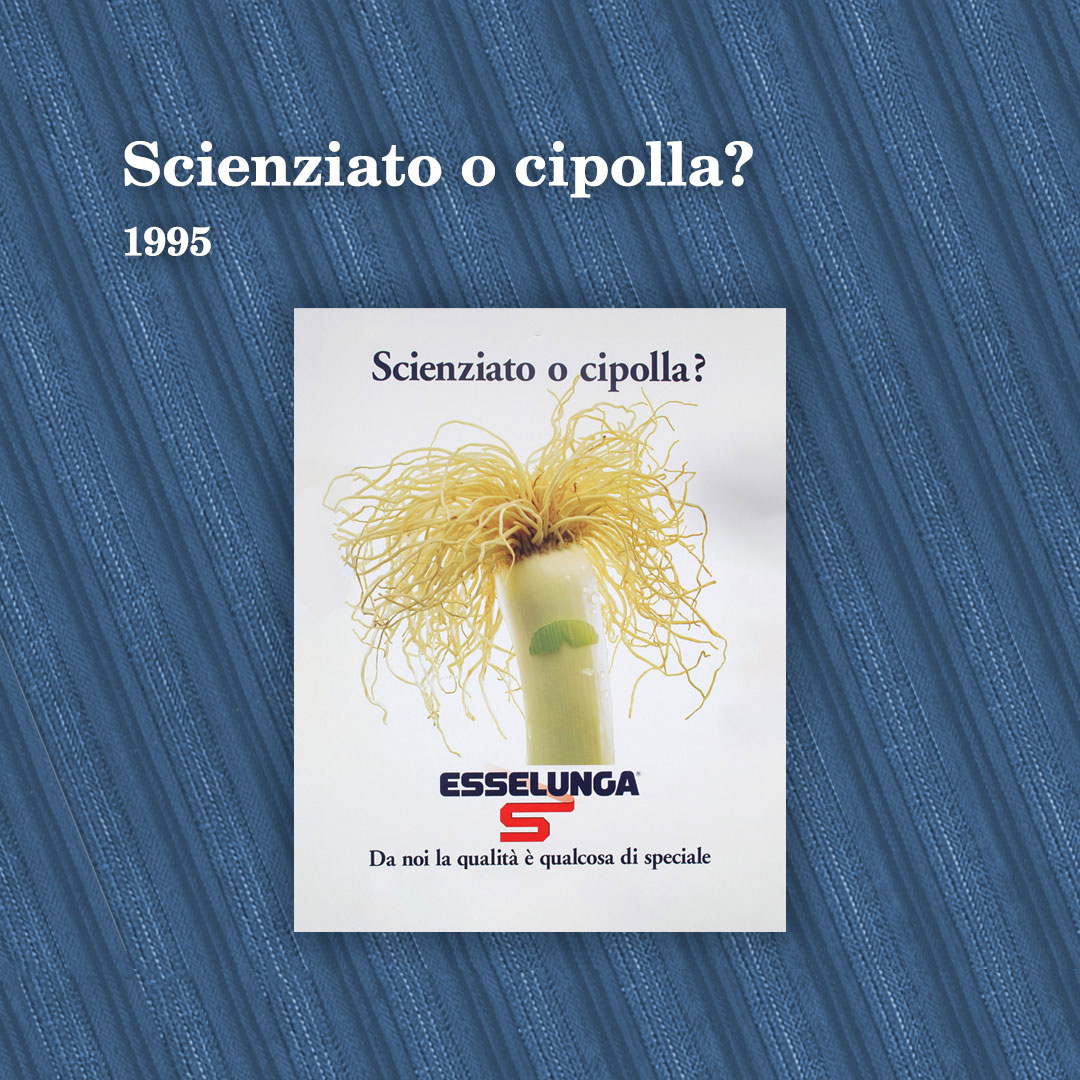
15. Studio Armando Testa’s 1995 advertisement (“With us, quality is something special”).
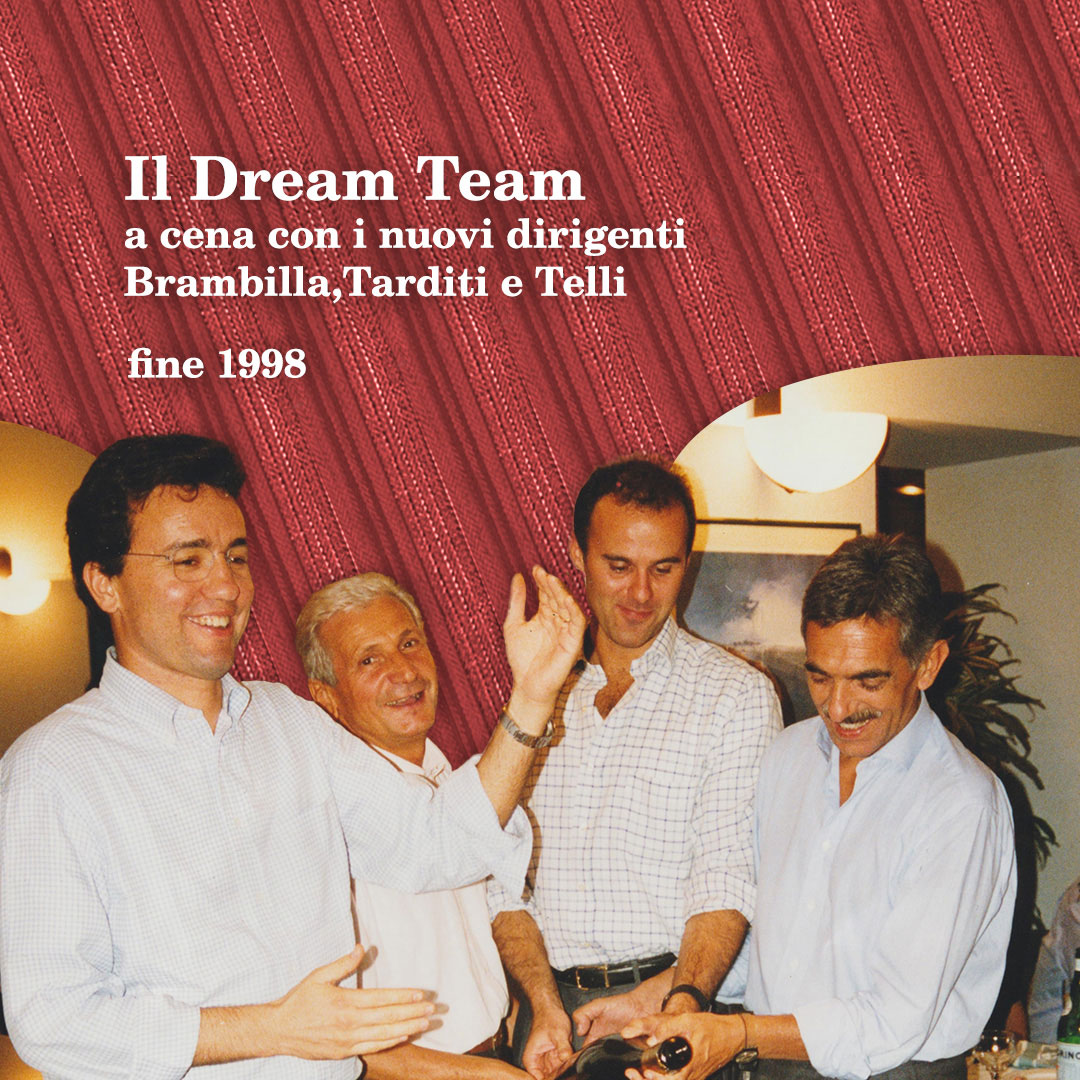
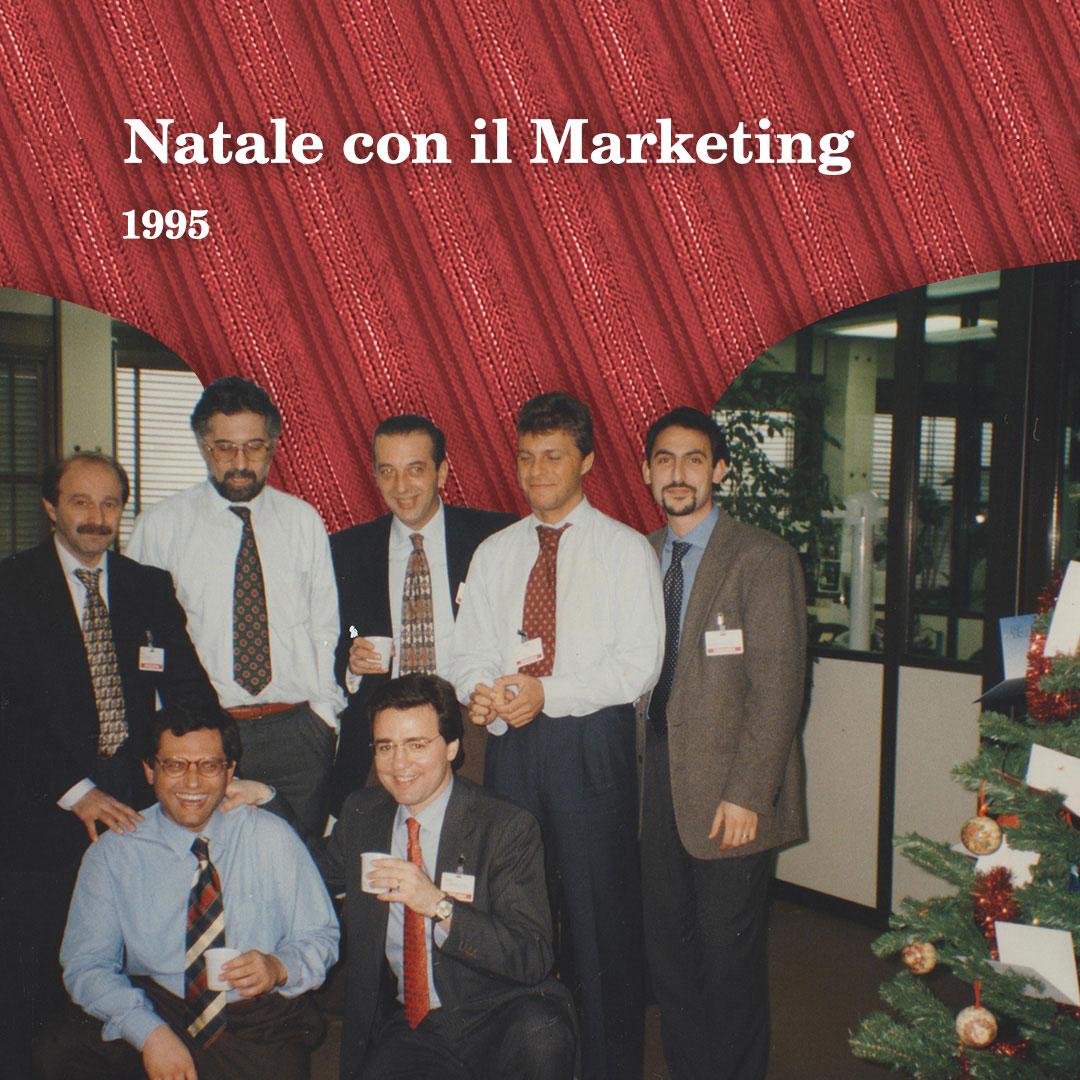
16. In the same year, we also managed to achieve profitability for all our products and categories with industrial accounting: this allowed us to better target contracts, through buyers and sales in supermarkets, with the help of the marketing department. The three functions – purchasing, marketing and sales – are fundamental to the implementation and profitability of the Esselunga brand.
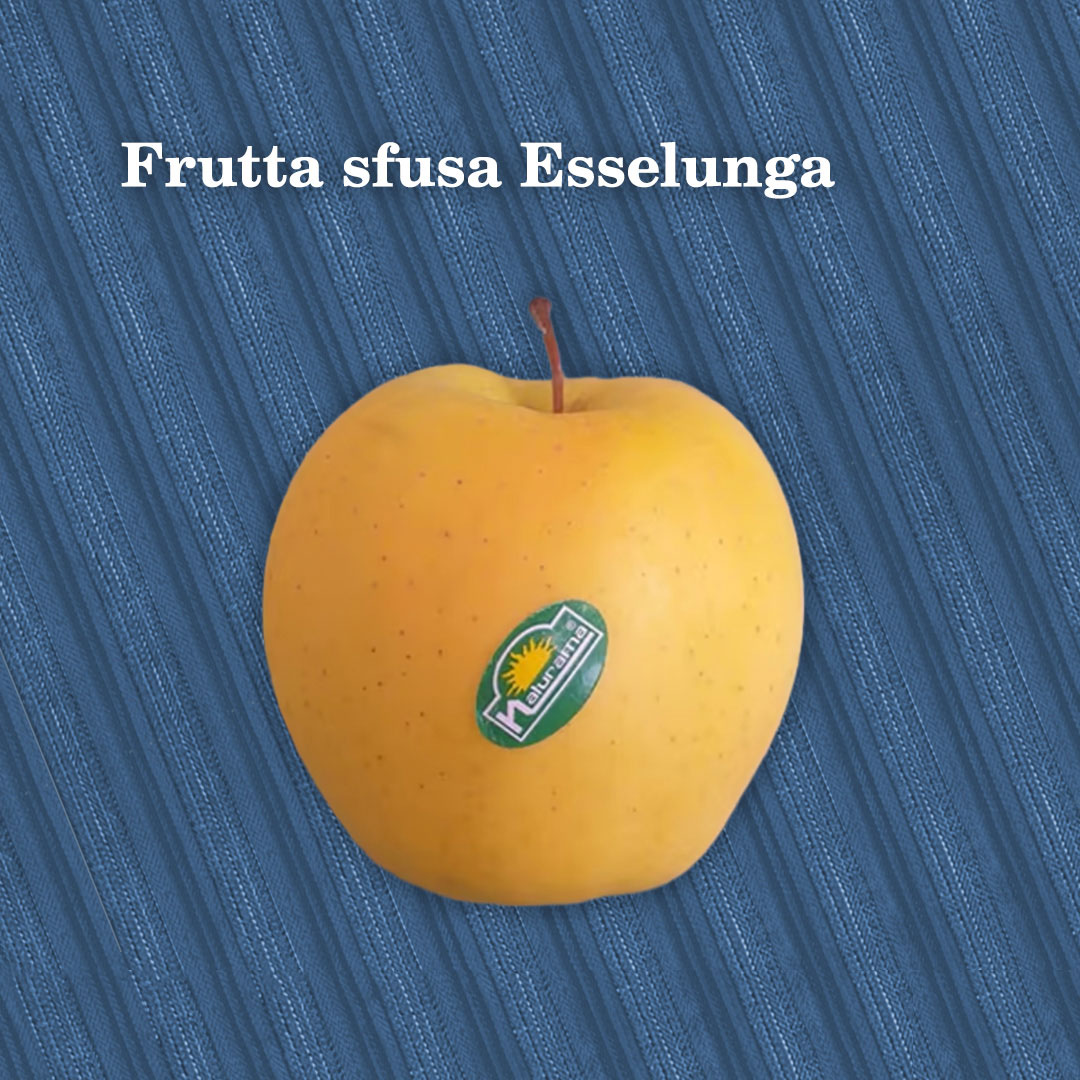
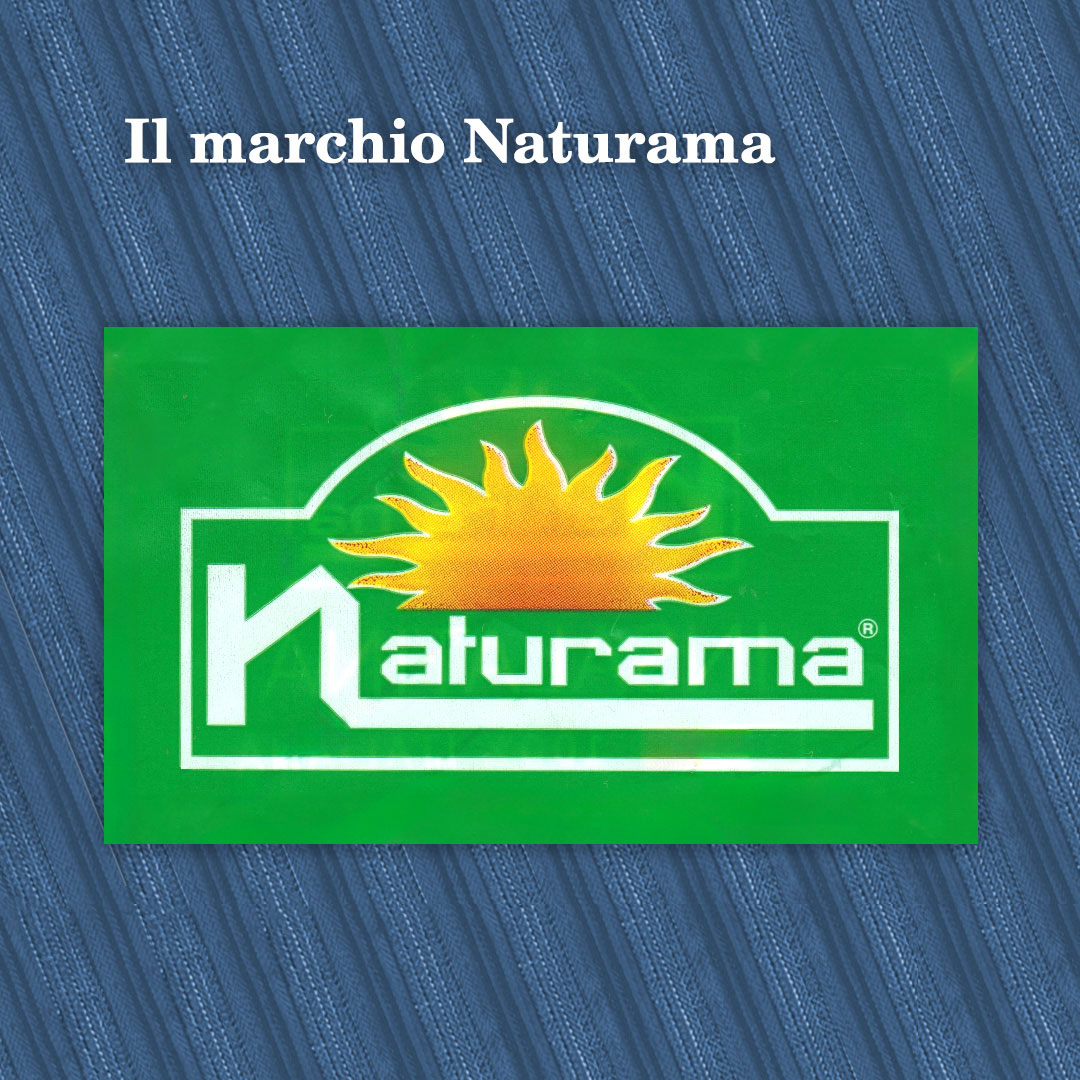
17. In the 1990s, the ‘Naturama’ brand for organic products was developed, anticipating ‘Esselunga Bio’.
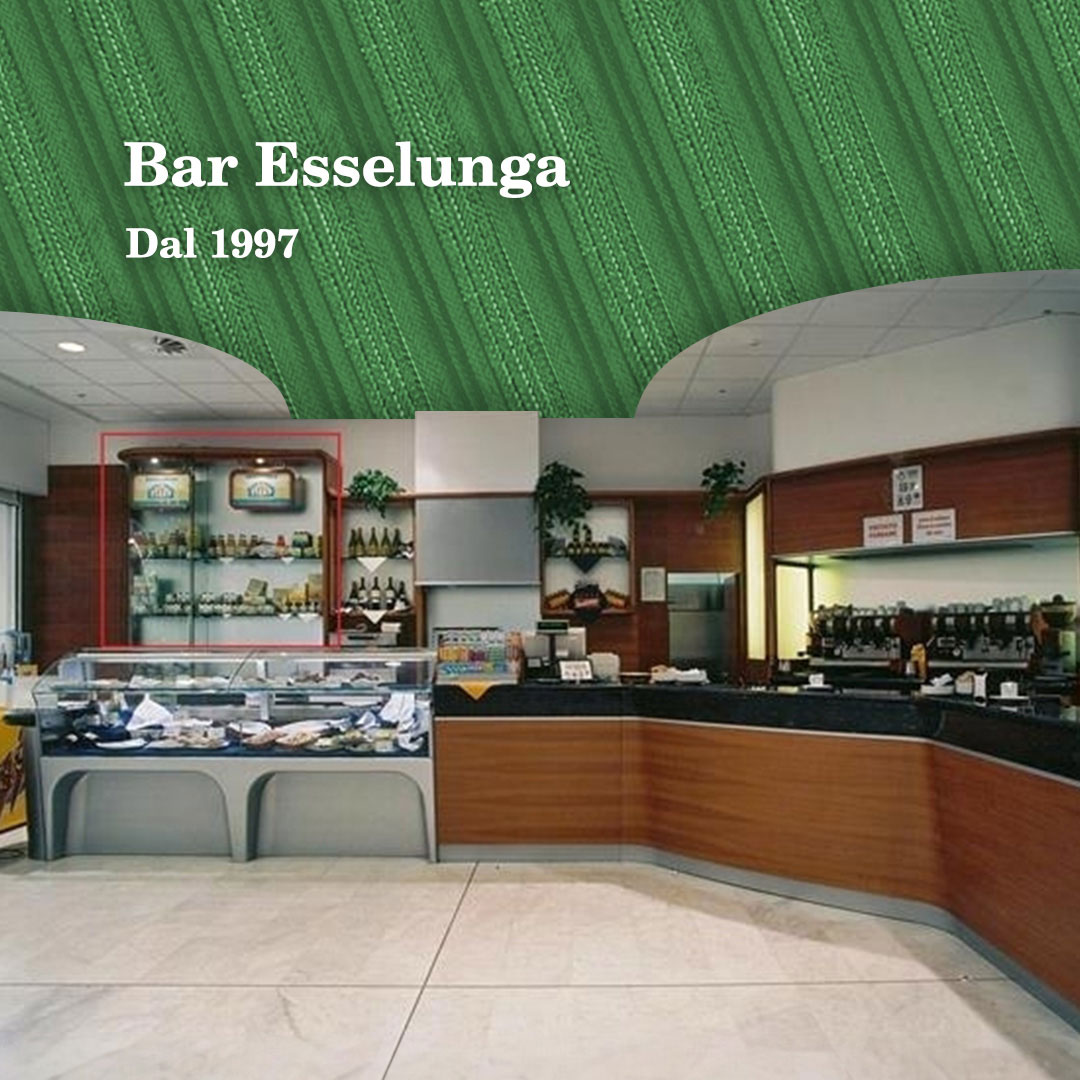
18. In 1997 the first in-house bars were opened (shops in Sarezzo and Parma), which, given their success, were then opened everywhere between the late 1990s and early 2000s.
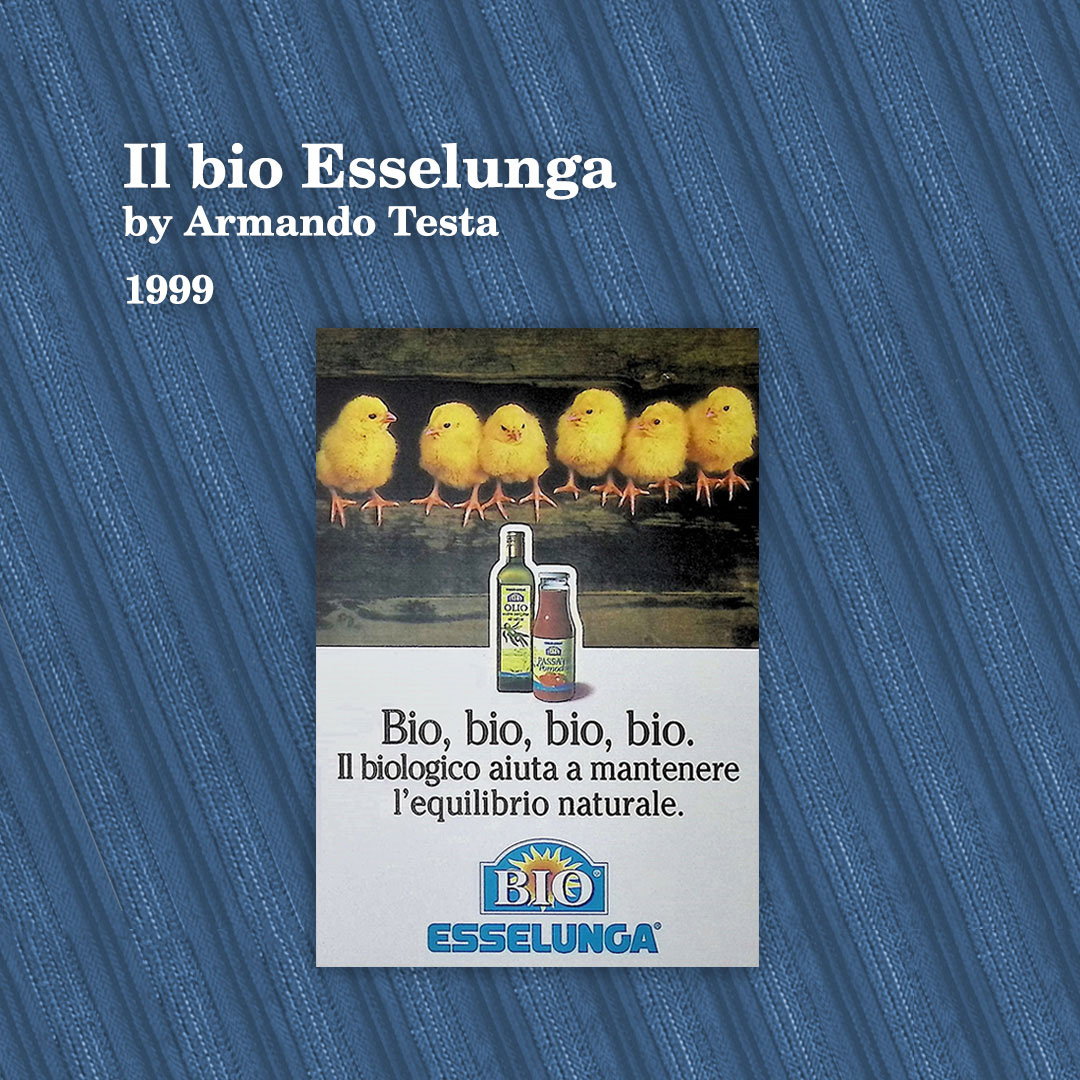
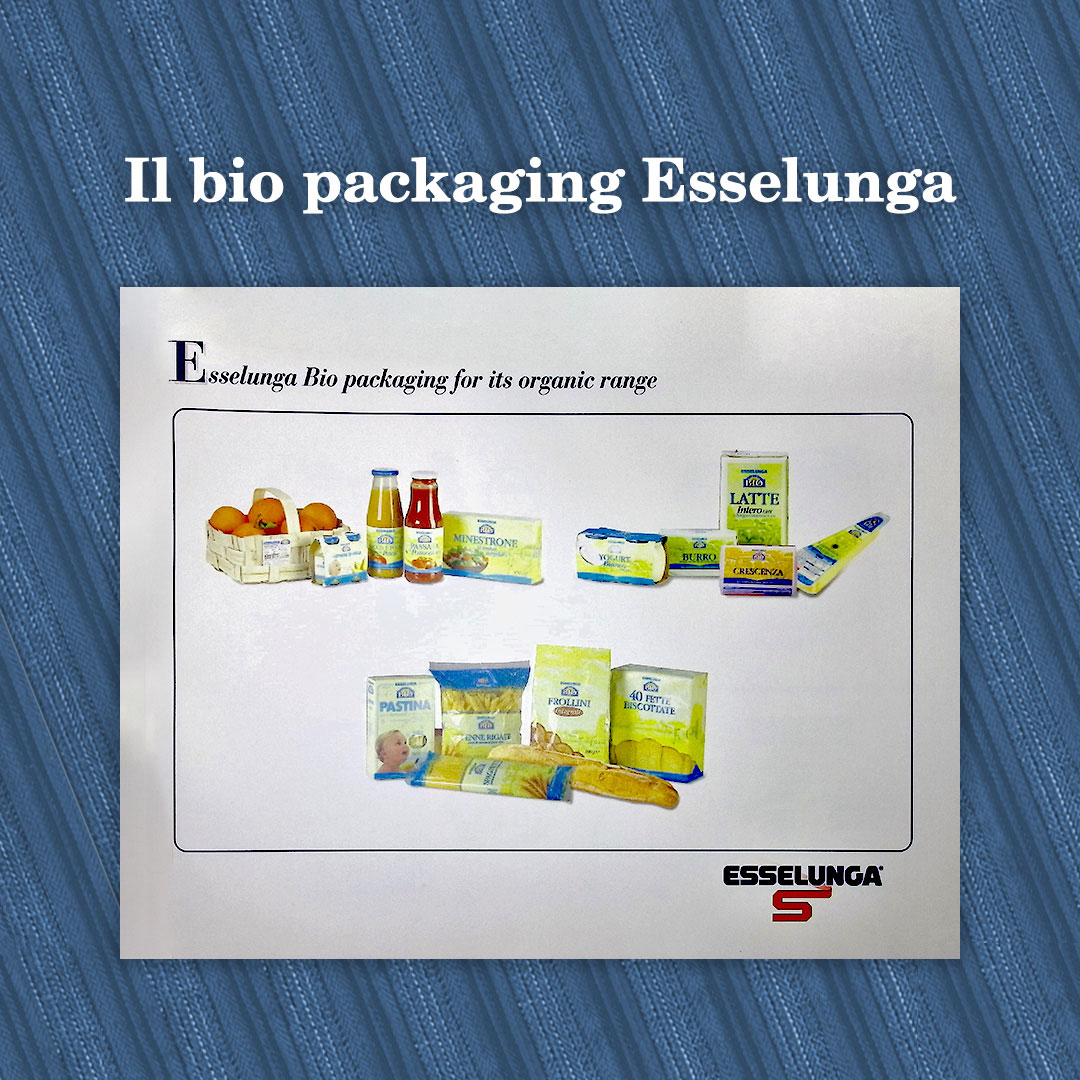
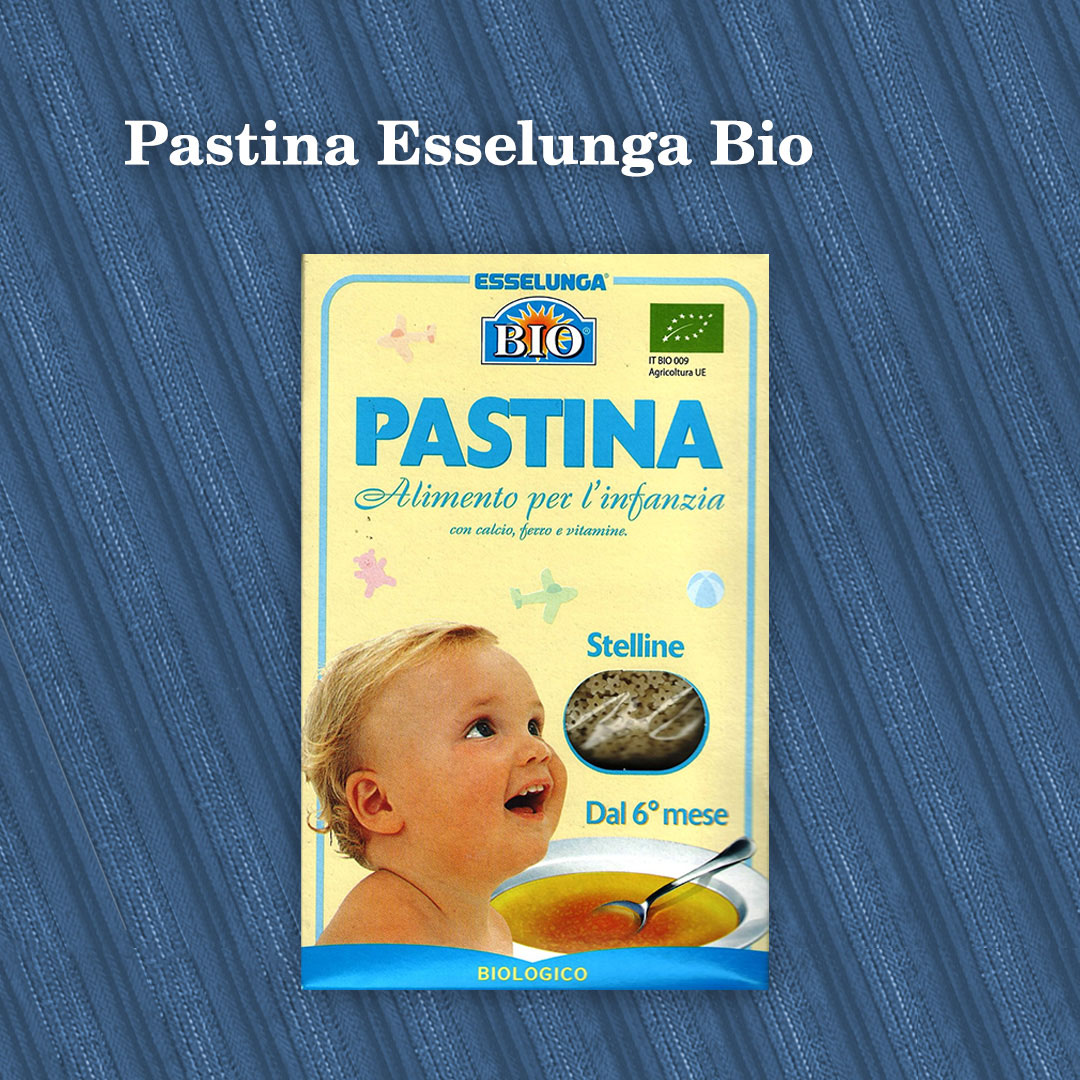
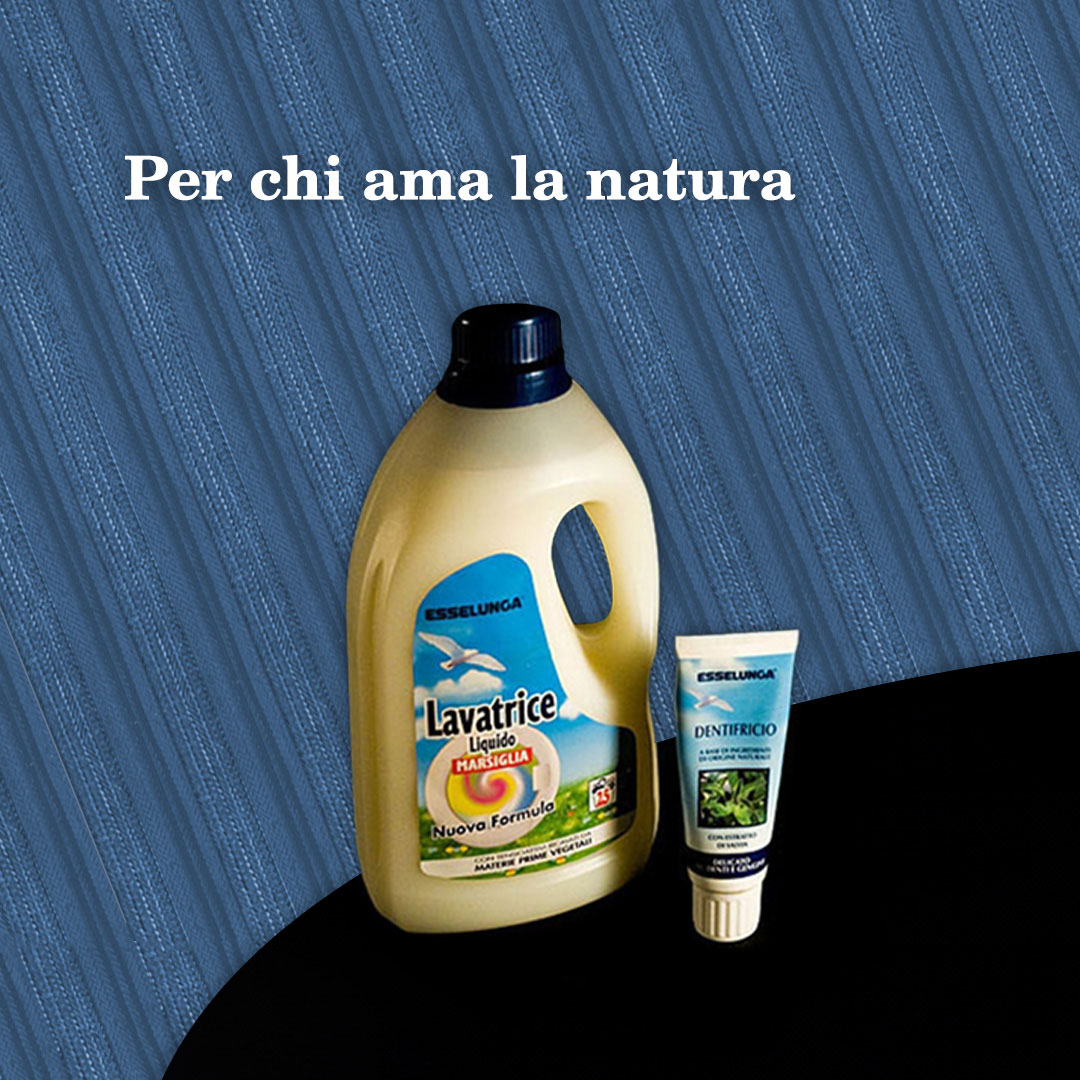
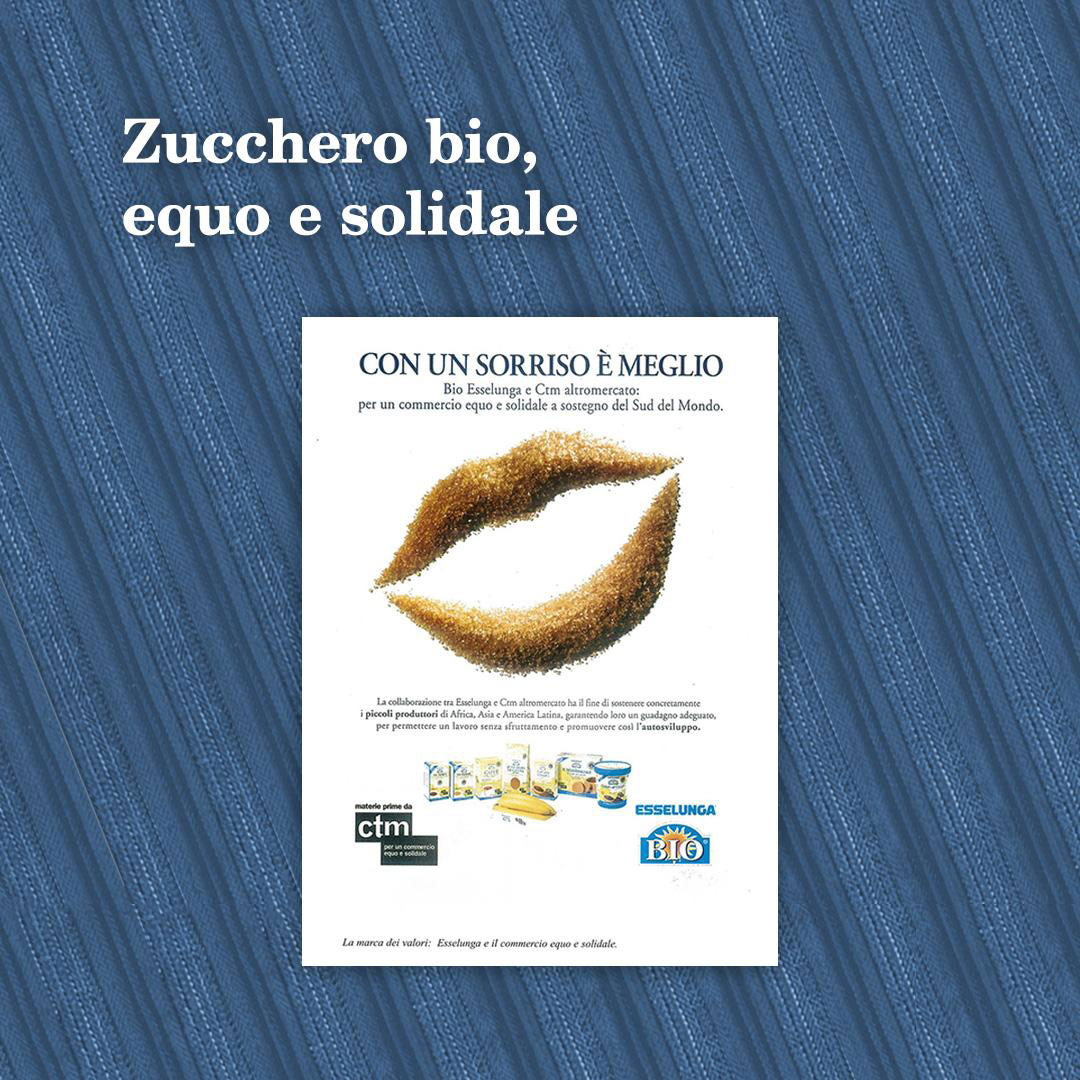
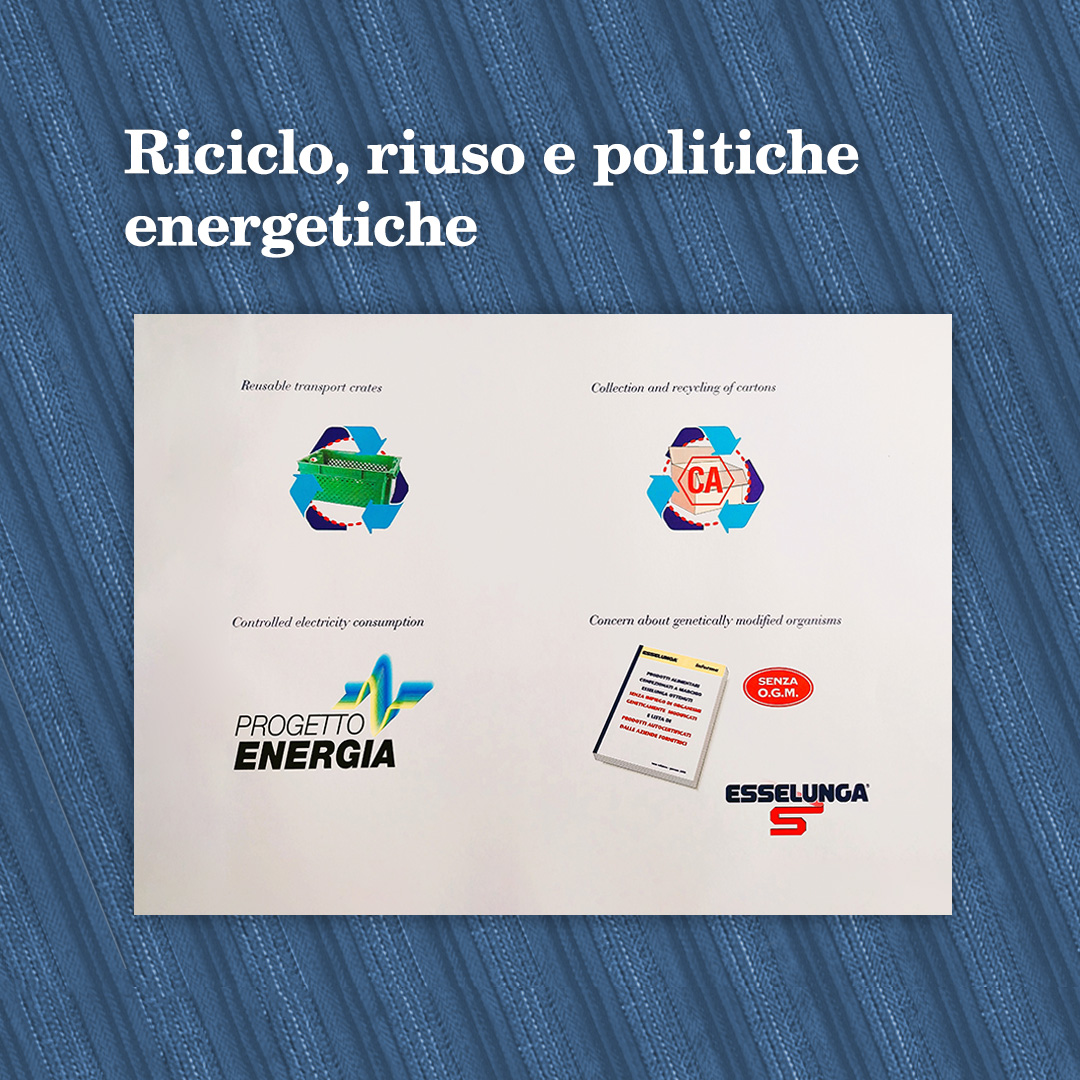
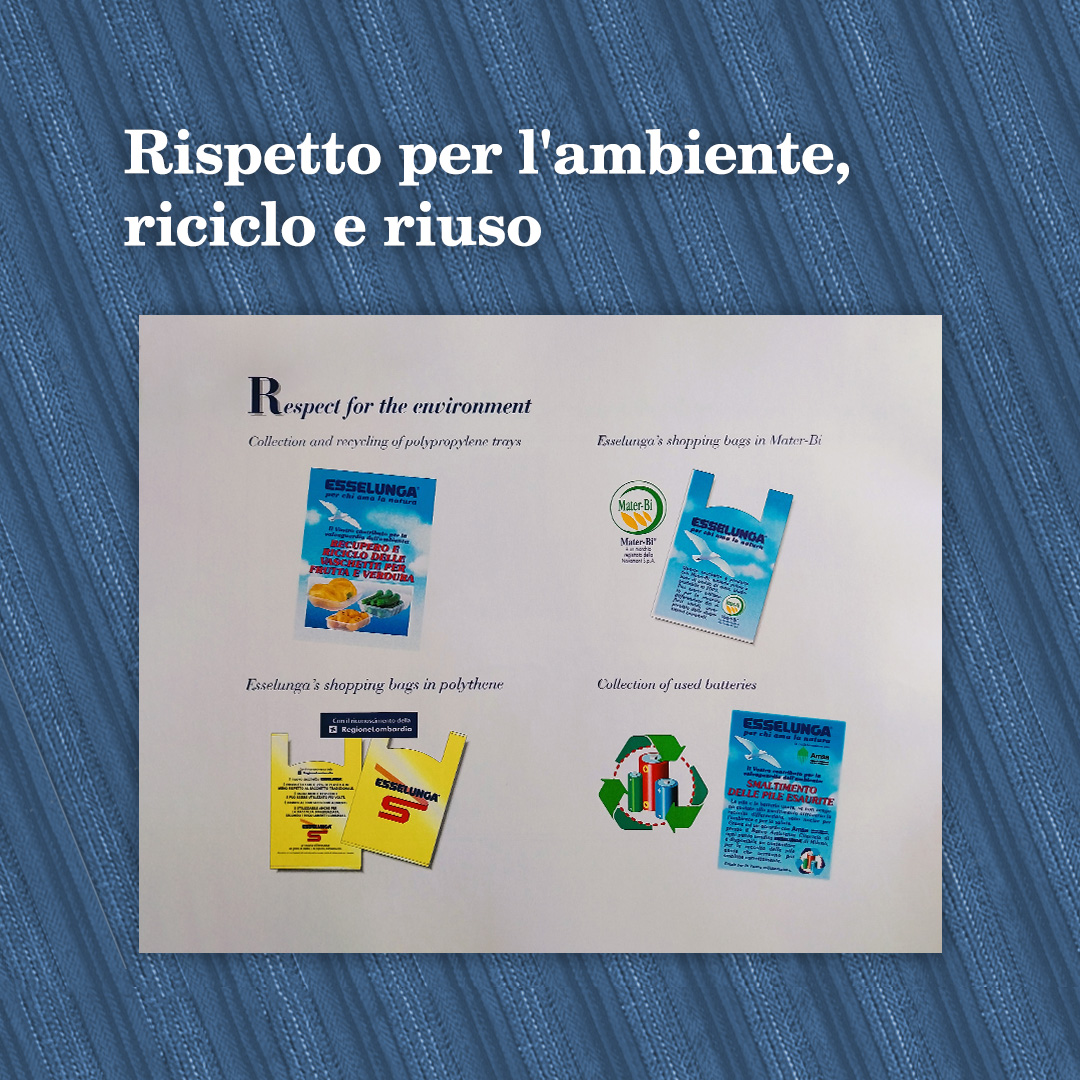
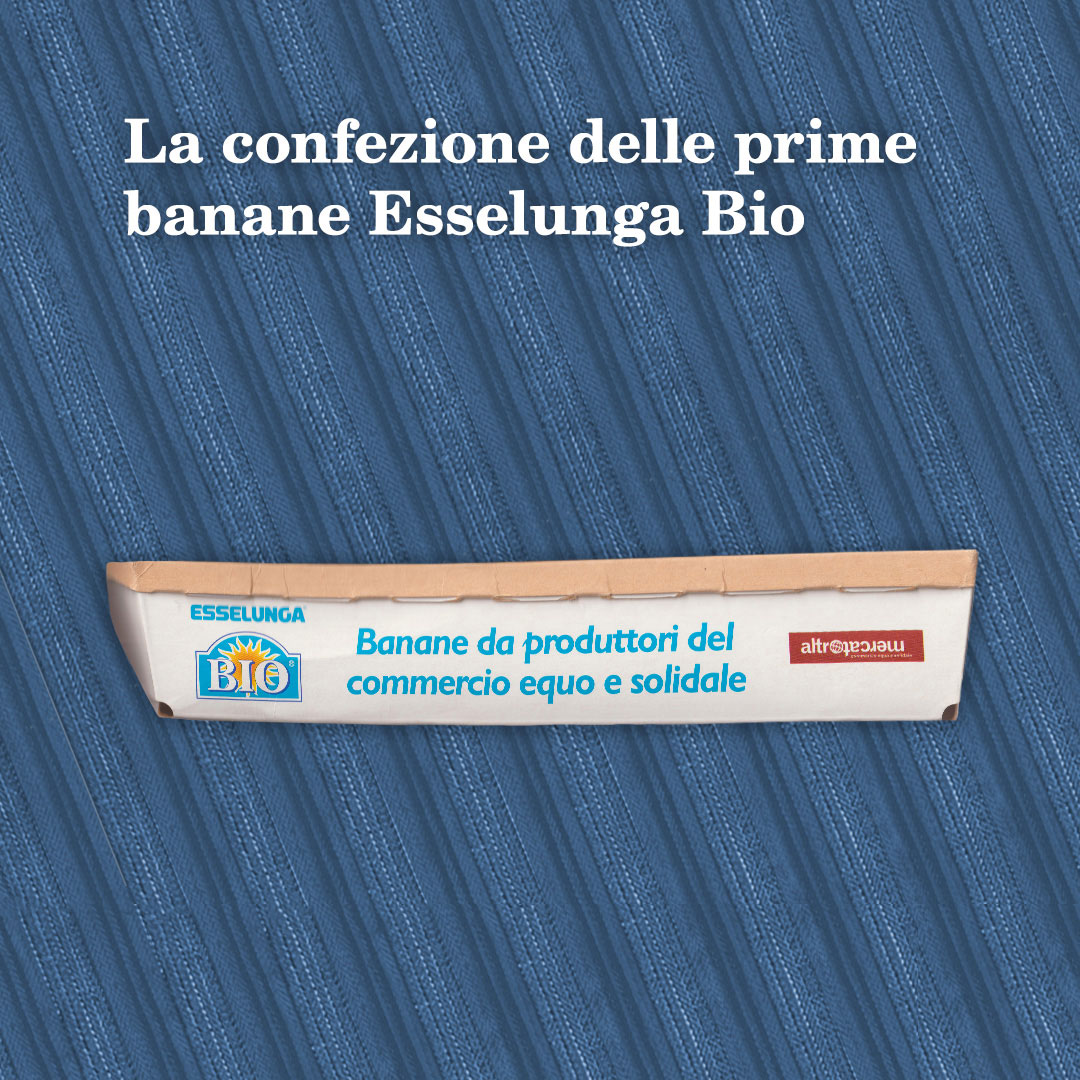
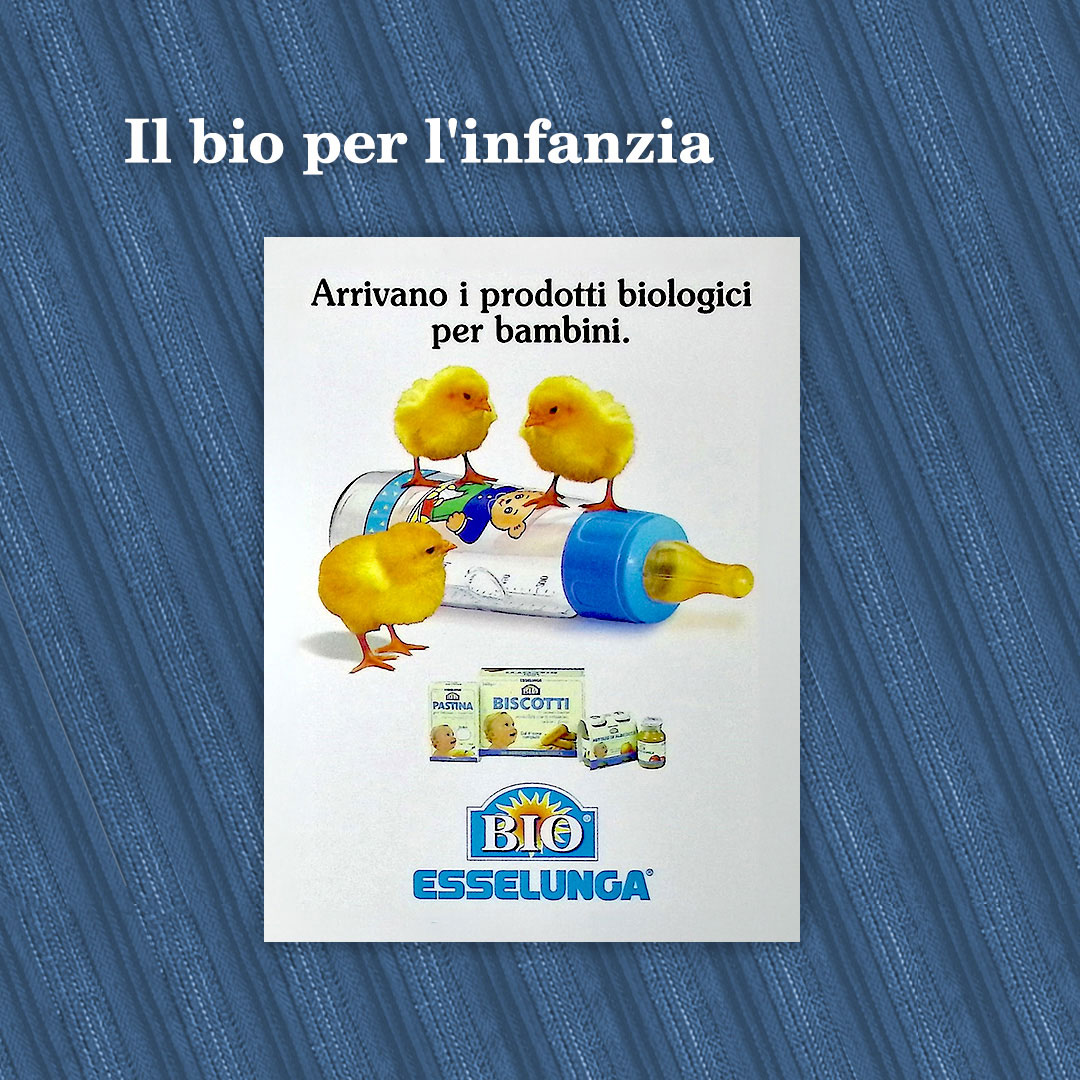
19. Esselunga Organic (“Esselunga bio”) was launched in 1999. There are also fair trade products and products for nature lovers. The Esselunga brand wants to position itself at the top, in the ‘better’ quality bracket, that of wealthier customers. And it also wants to counter the historic rival Coop, which has customers who are very sensitive to these issues.
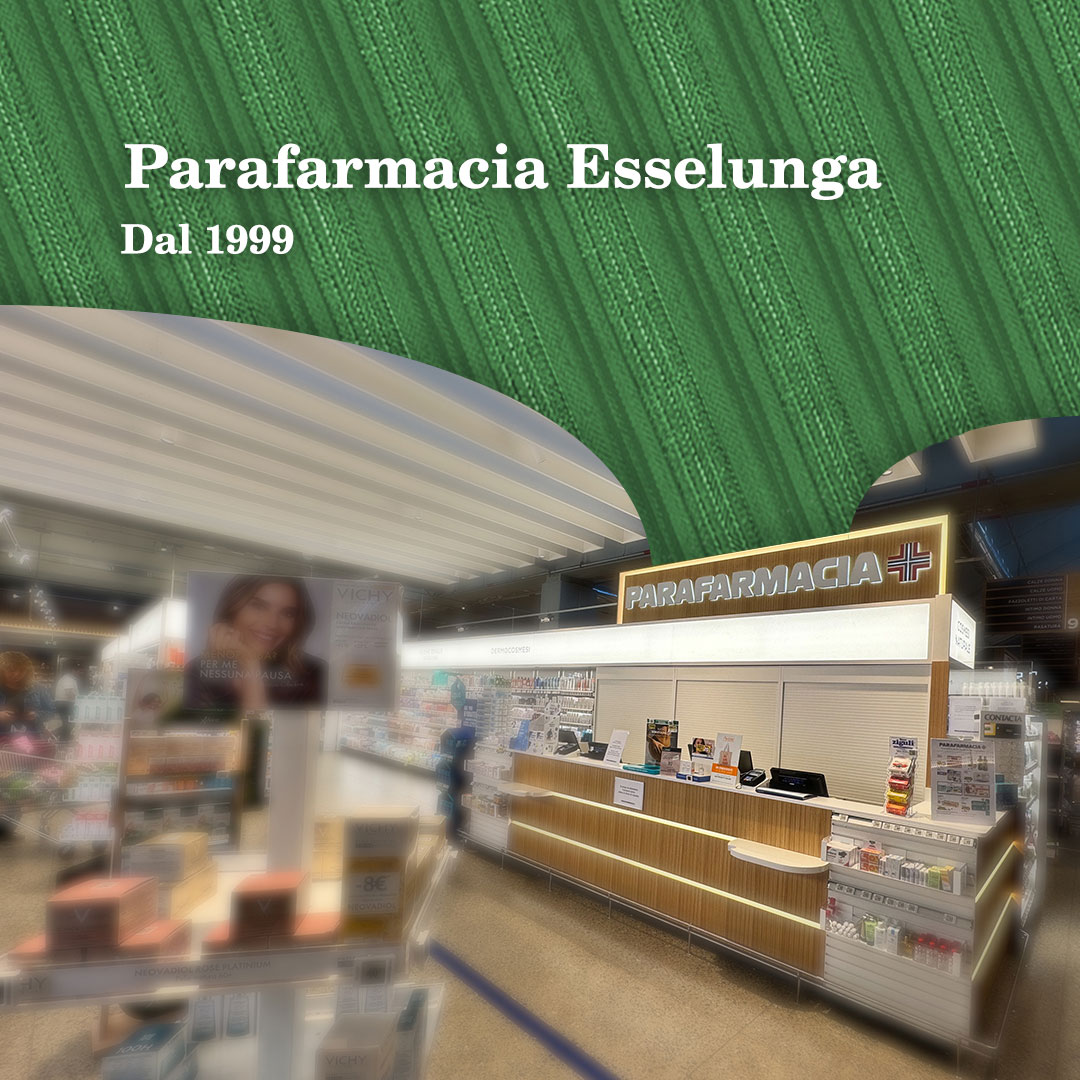
20. In 1999 the sale of parapharmaceuticals was started in Giussano.
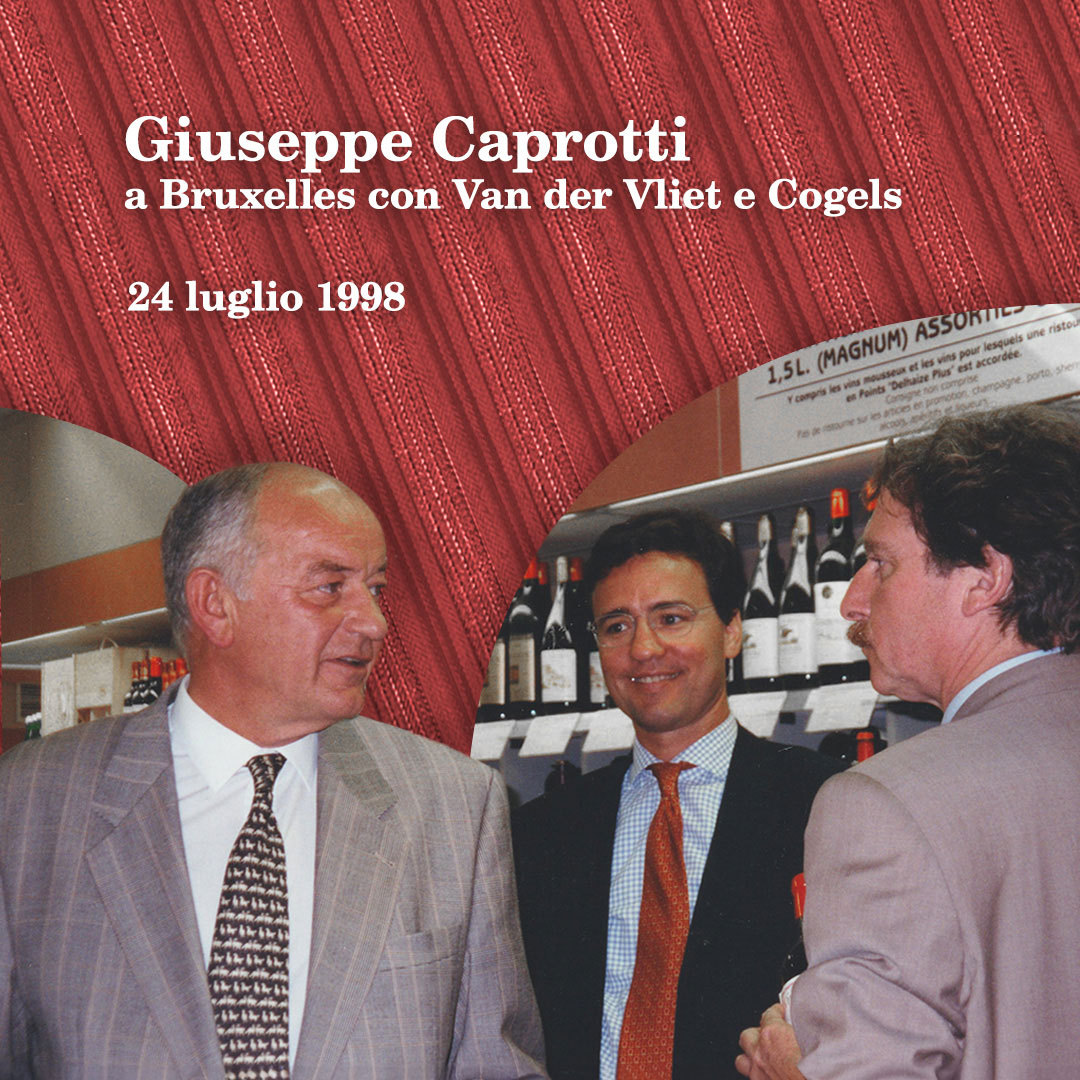
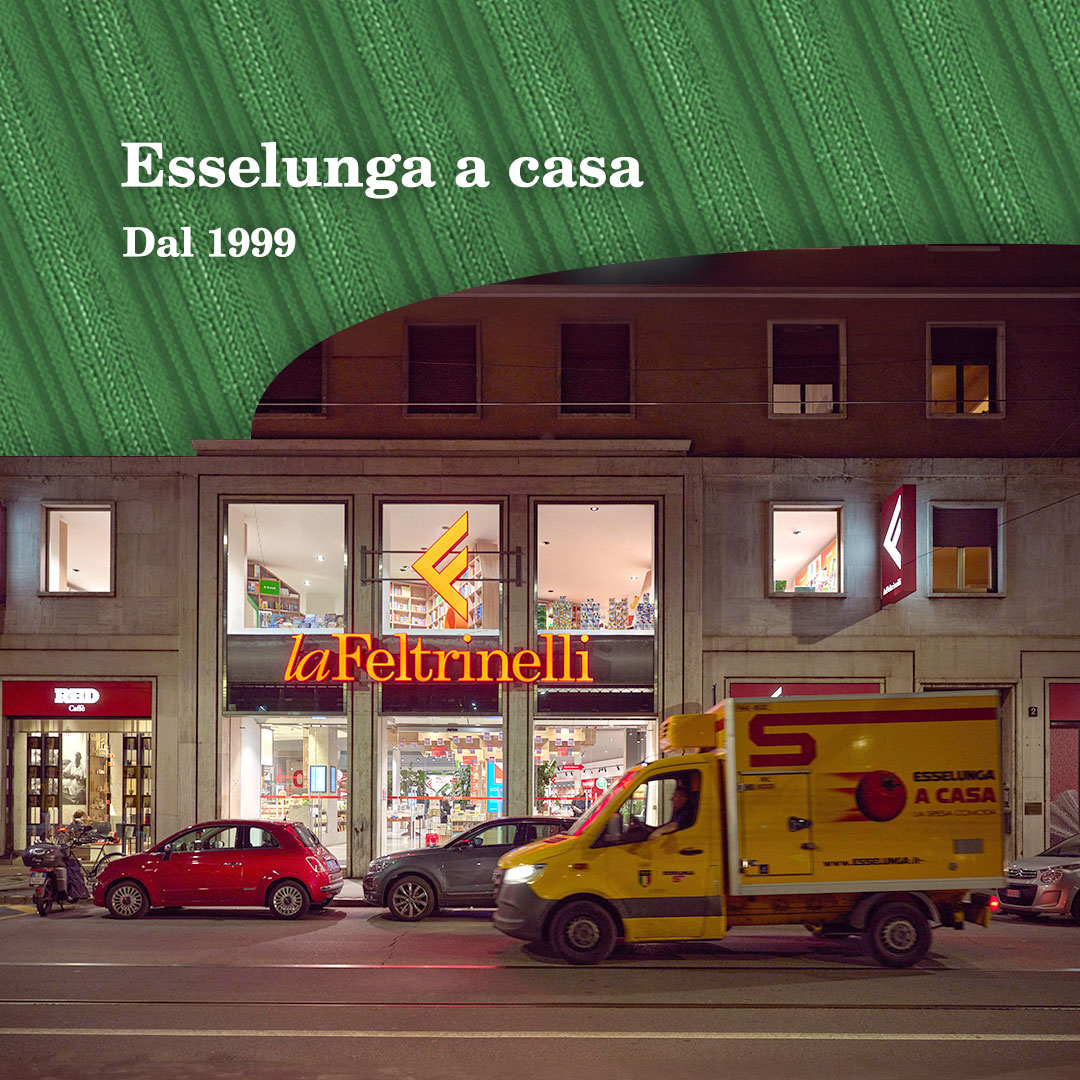
21. There is also talk of E-commerce: the start of the Esselunga a Casa project was in 1999, the launch in 2001. The project, inspired by the Caddy Home model, seen in Delhaize, Belgium, includes home deliveries and a site for selling books online (although I don’t know who Jeff Bezos was). The idea is also to sell packaged food abroad and buy and sell medicines online in Italy.
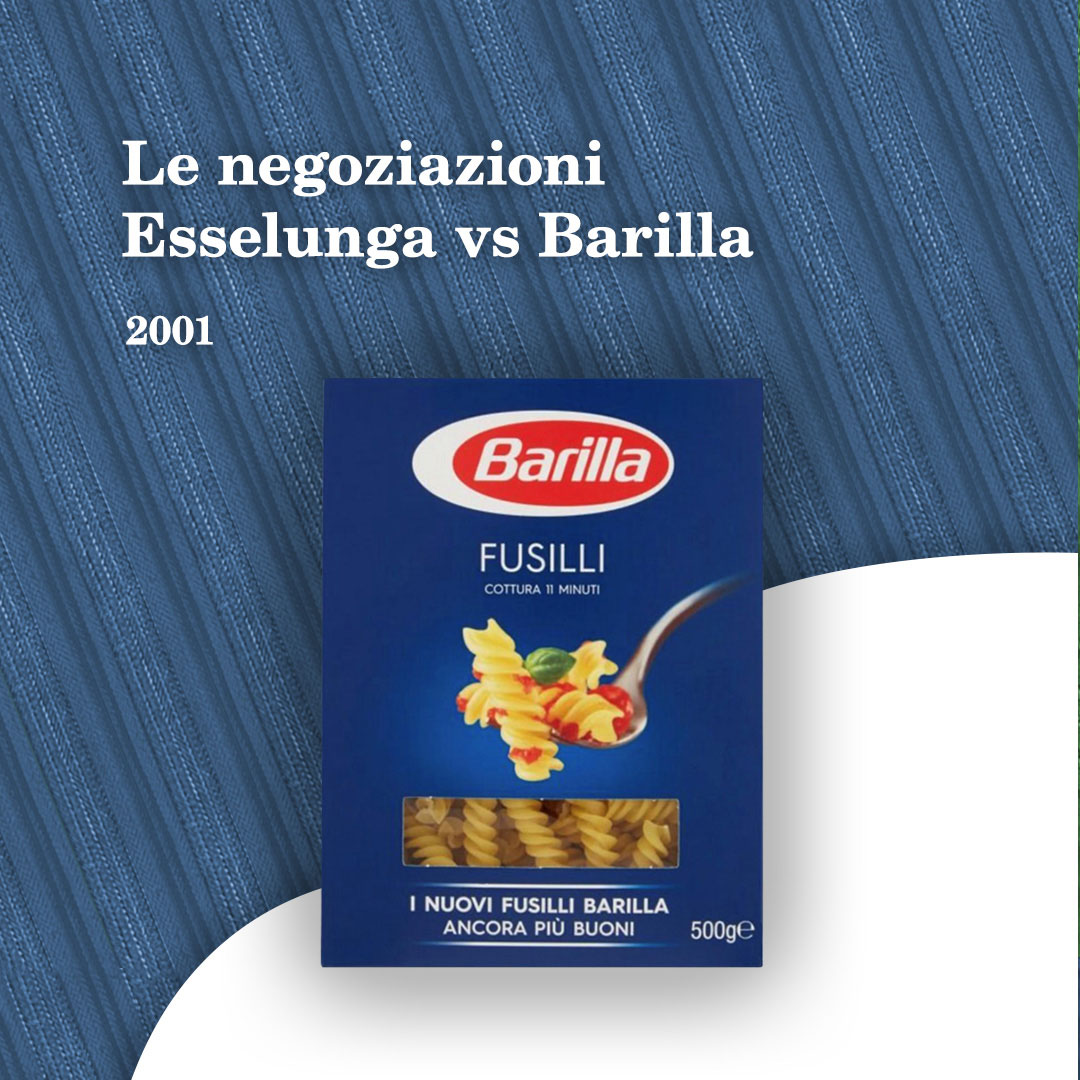
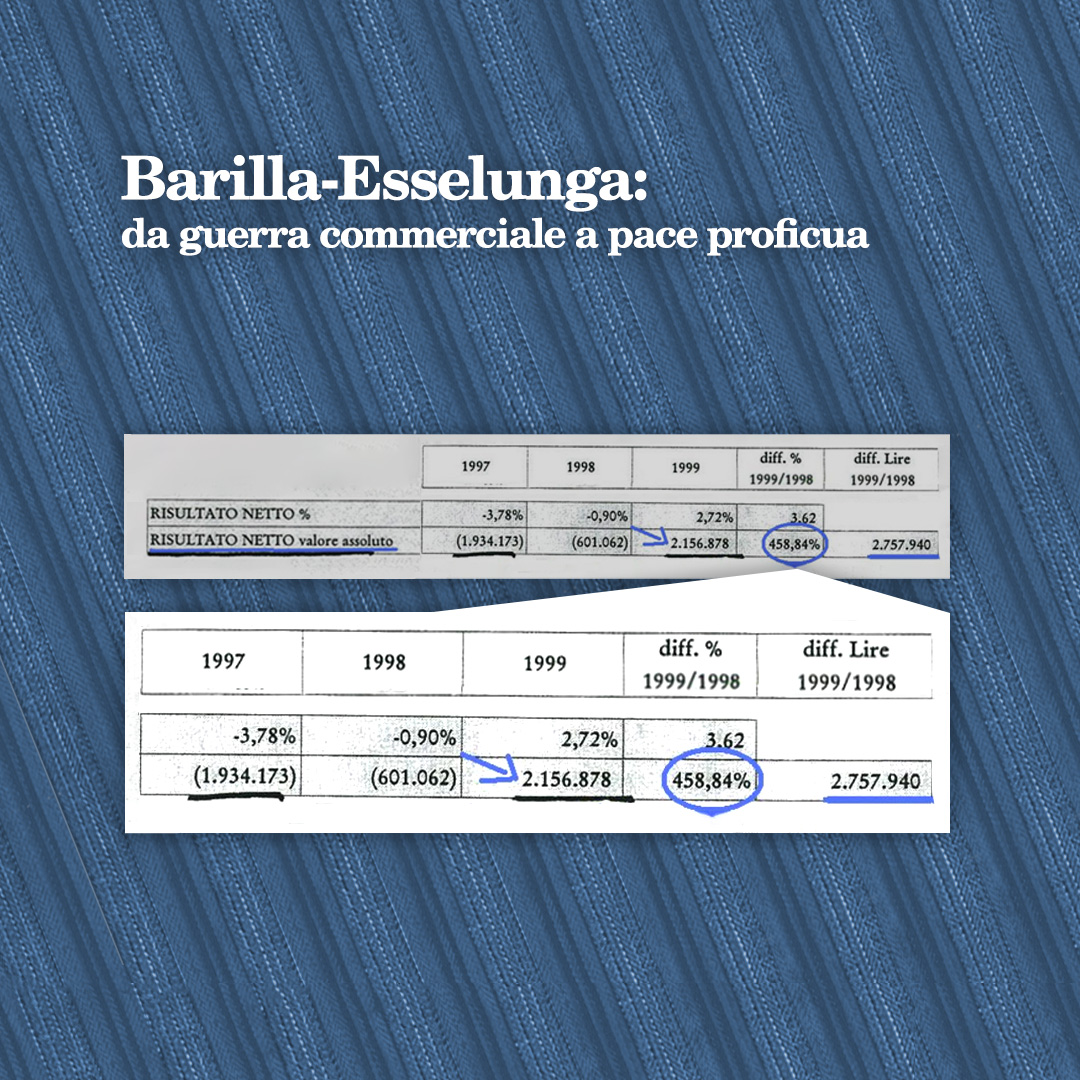
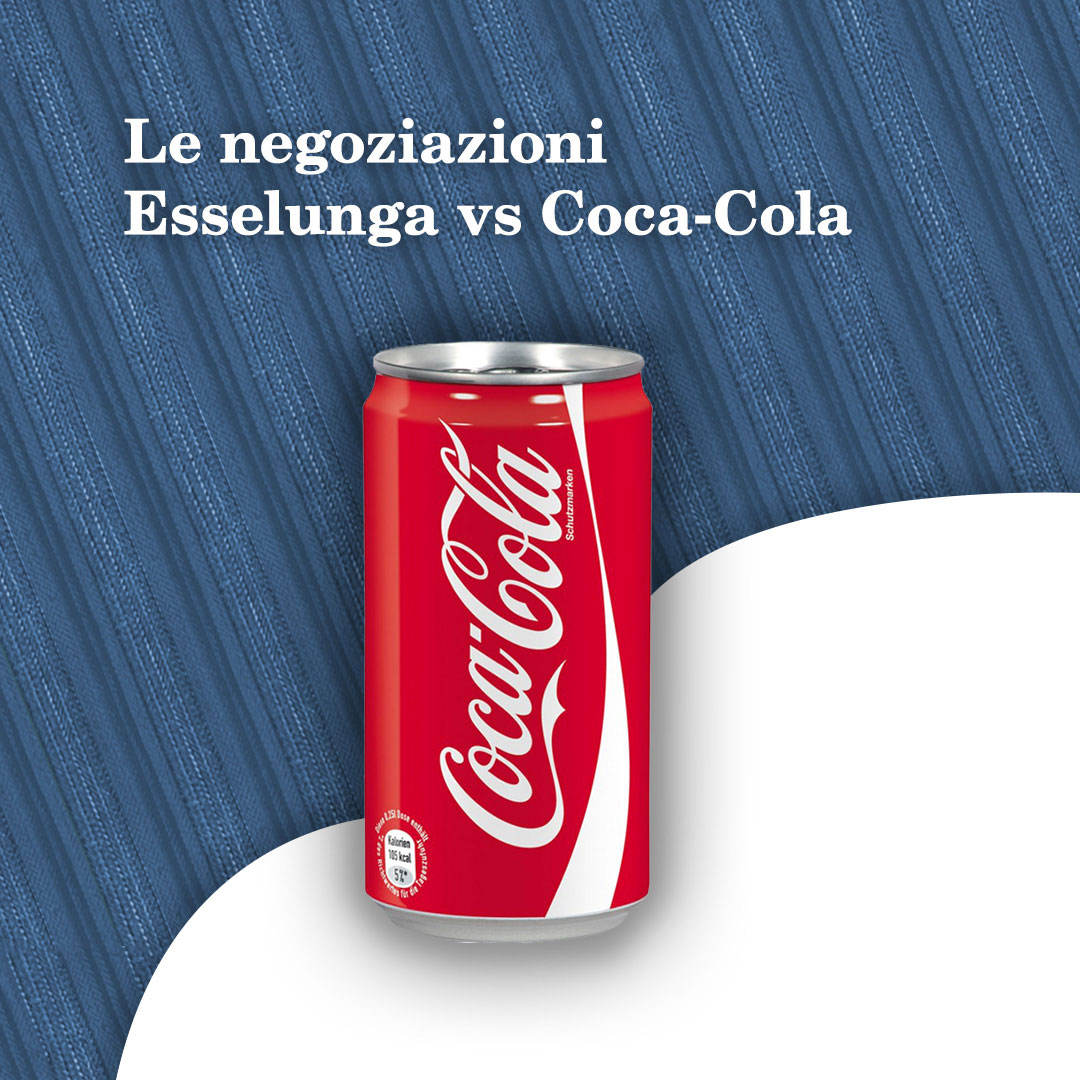
22. In the 1990s great attention was paid to brand development as opposed to brands on which, however, where one can, one tries to provide a certain assortment. This was to be the case, for example, with Barilla, which became a ‘profitable’ supplier, Algida, Parmacotto, Giovanni Rana, Lavazza, in order to satisfy consumers. With other brands it comes to confrontation (e.g.: Coca-Cola), in order to be respected.
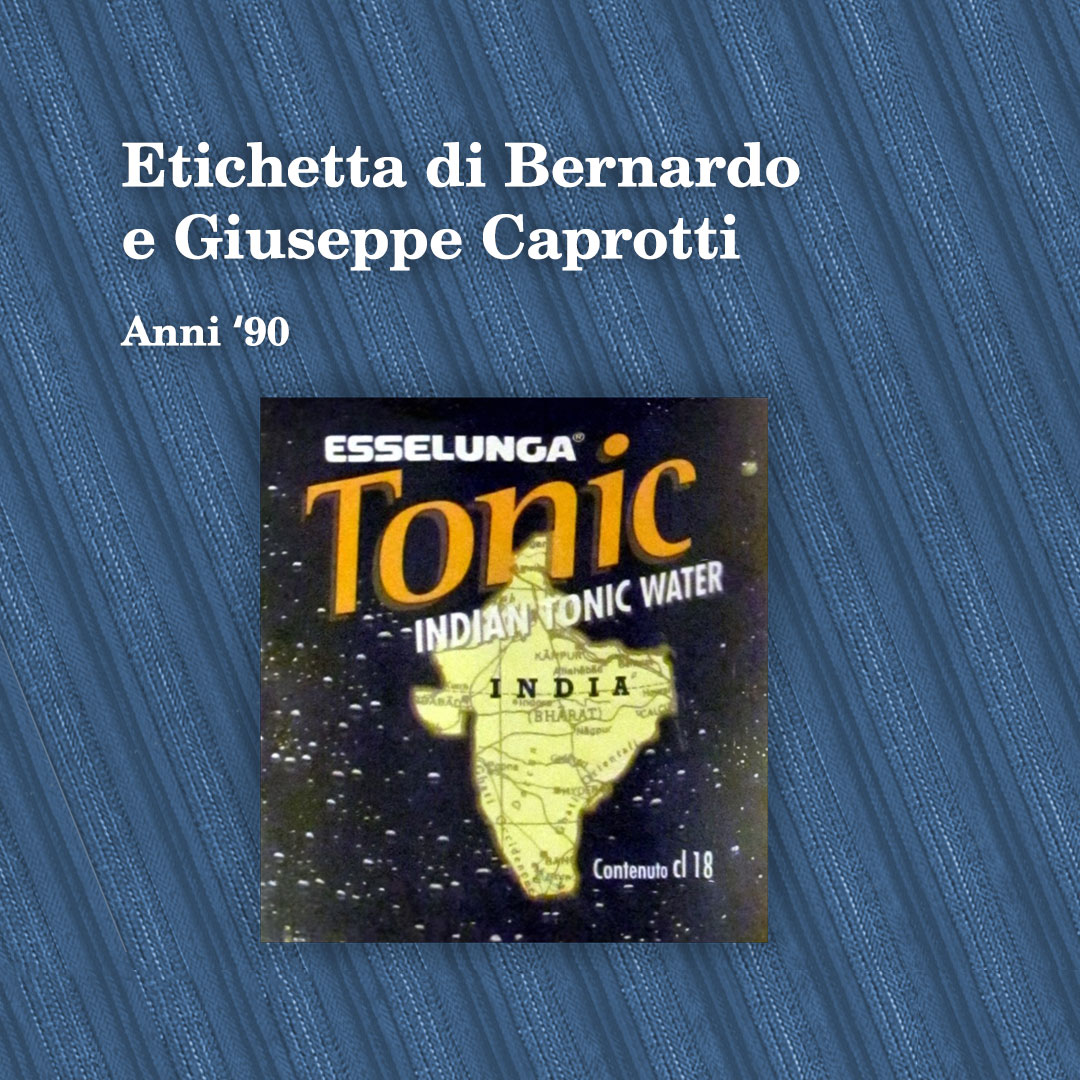
Some private label products are processed in-house (ex. tonic water, iodized salt)

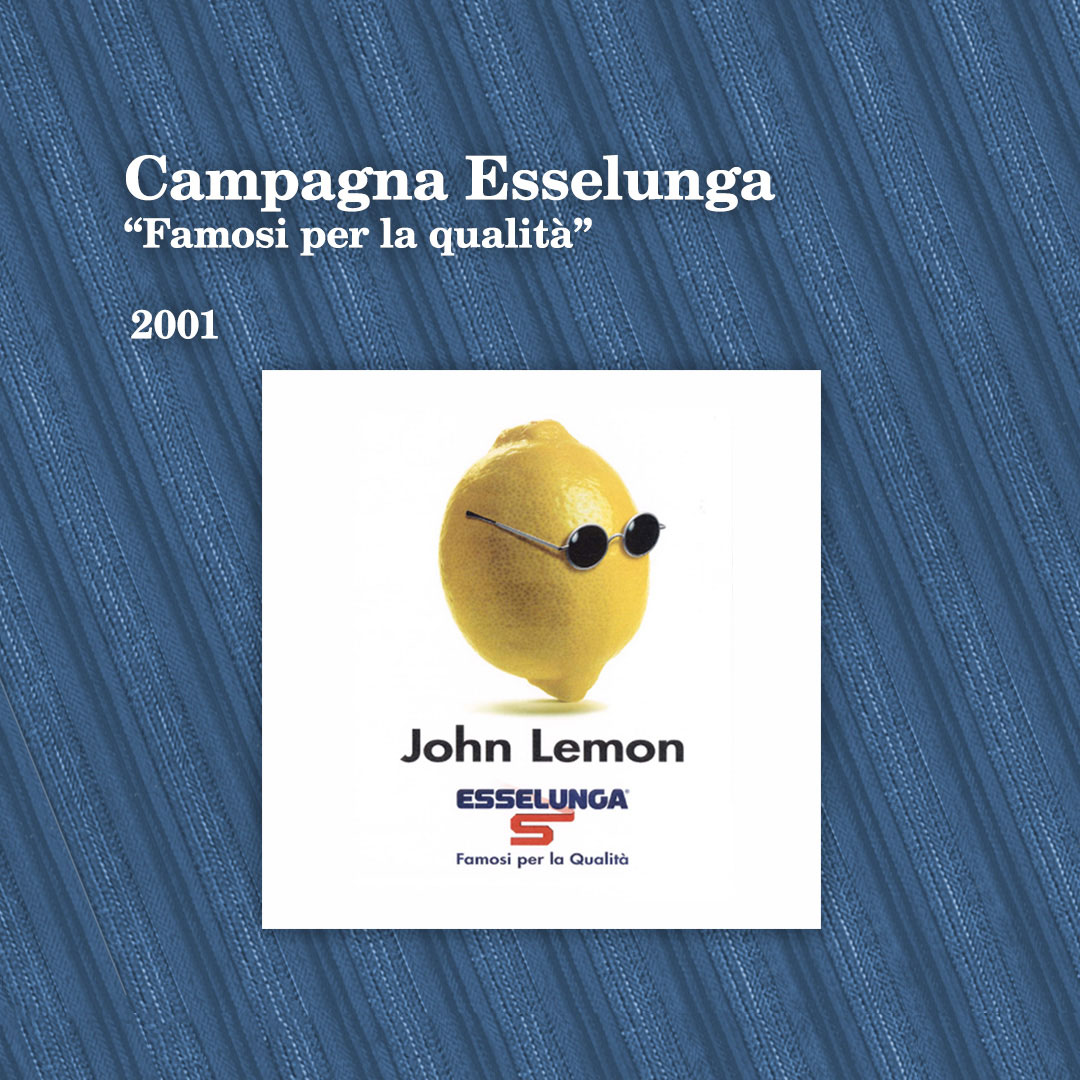
23. In 2001, the second advertising campaign, ‘John Lemon’s’ (pay off: ‘Famous for Quality’)– so beautiful that some posters, with others from the previous campaign, will be requested by the Louvre – and the founding of the ESD buying station that allows us to have, again, better profitability.
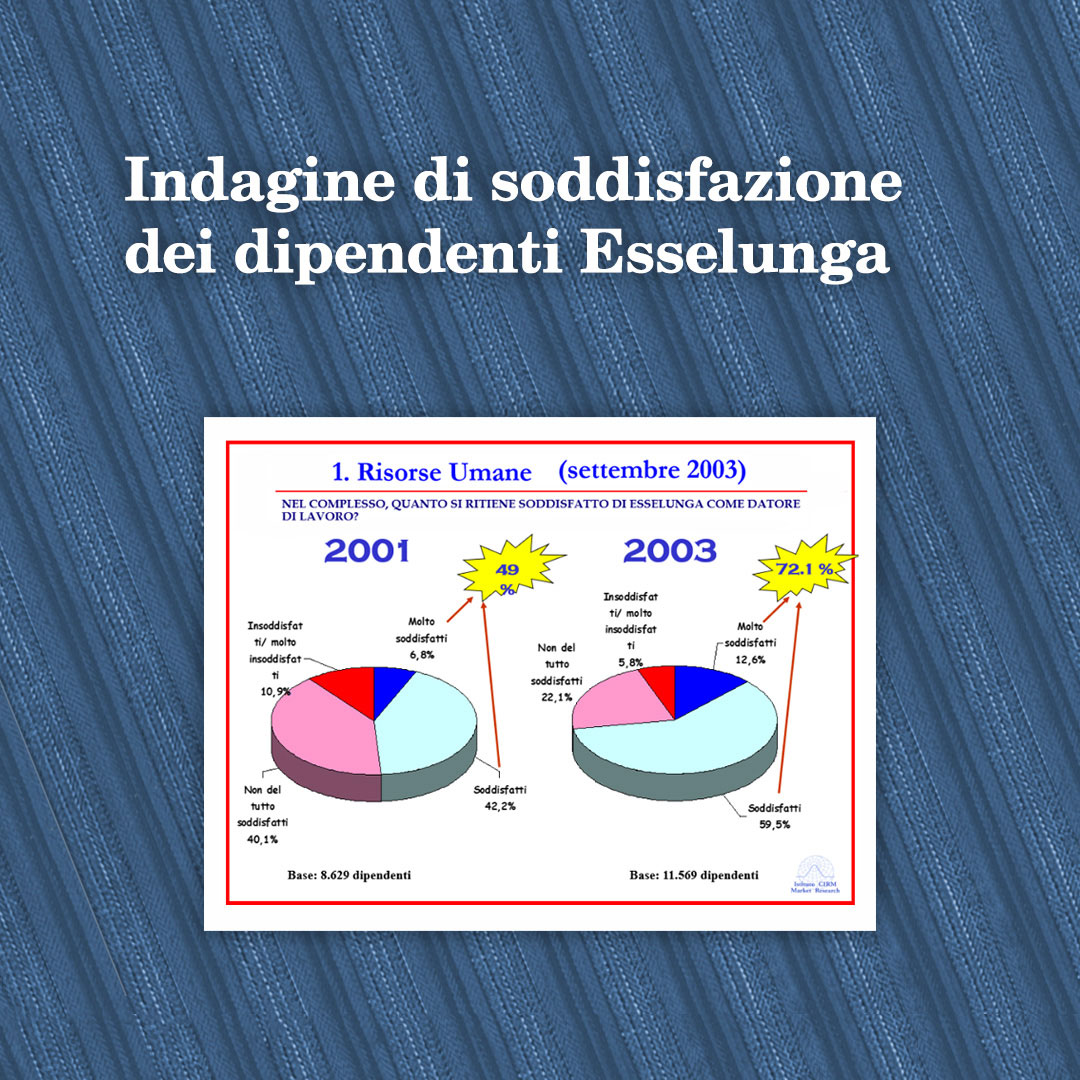
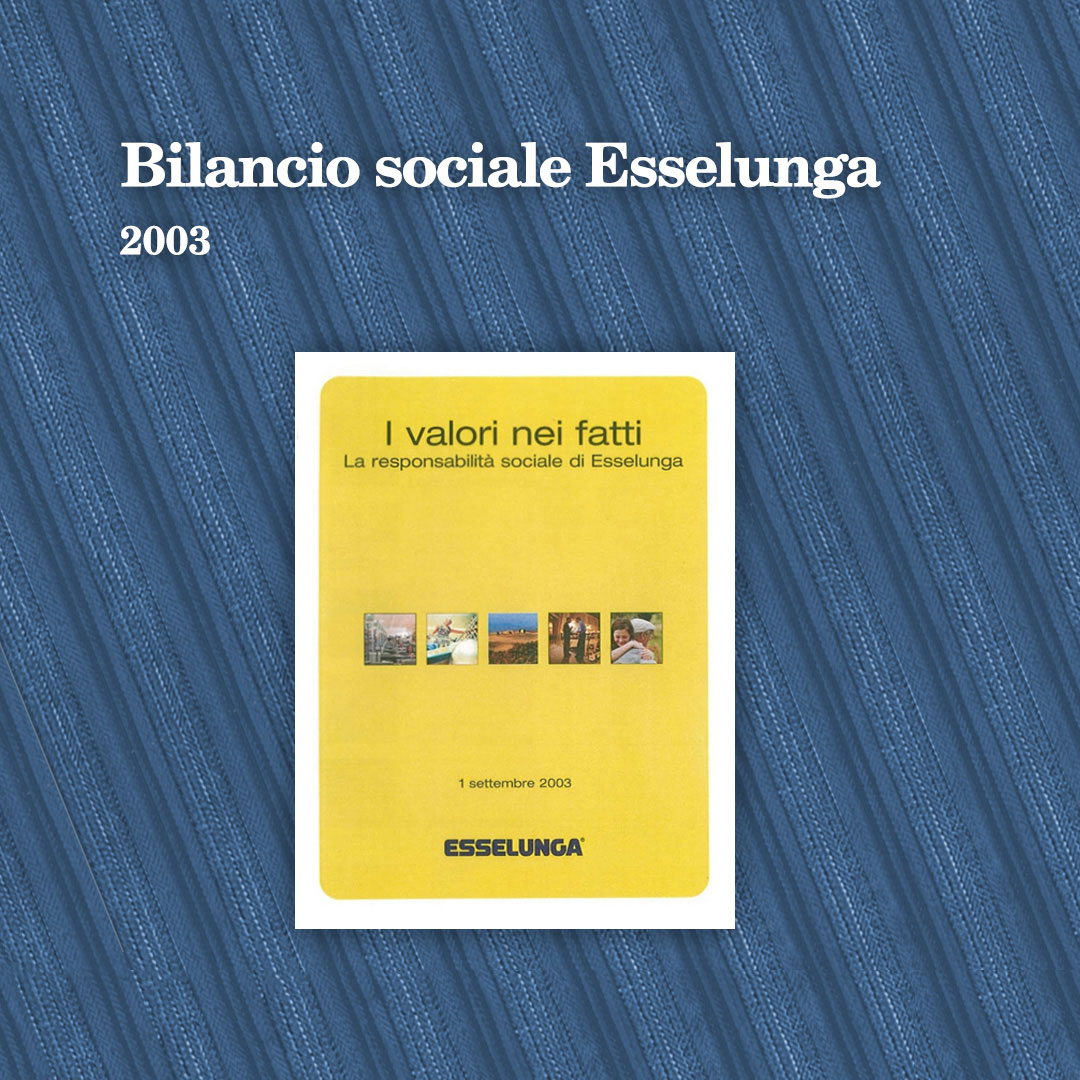
24. Since the early 2000s (2001-2003), staff satisfaction has doubled. Customer loyalty reaches 91% (“Customers in love”). Profitability is 2.5 times that of the 1990s.
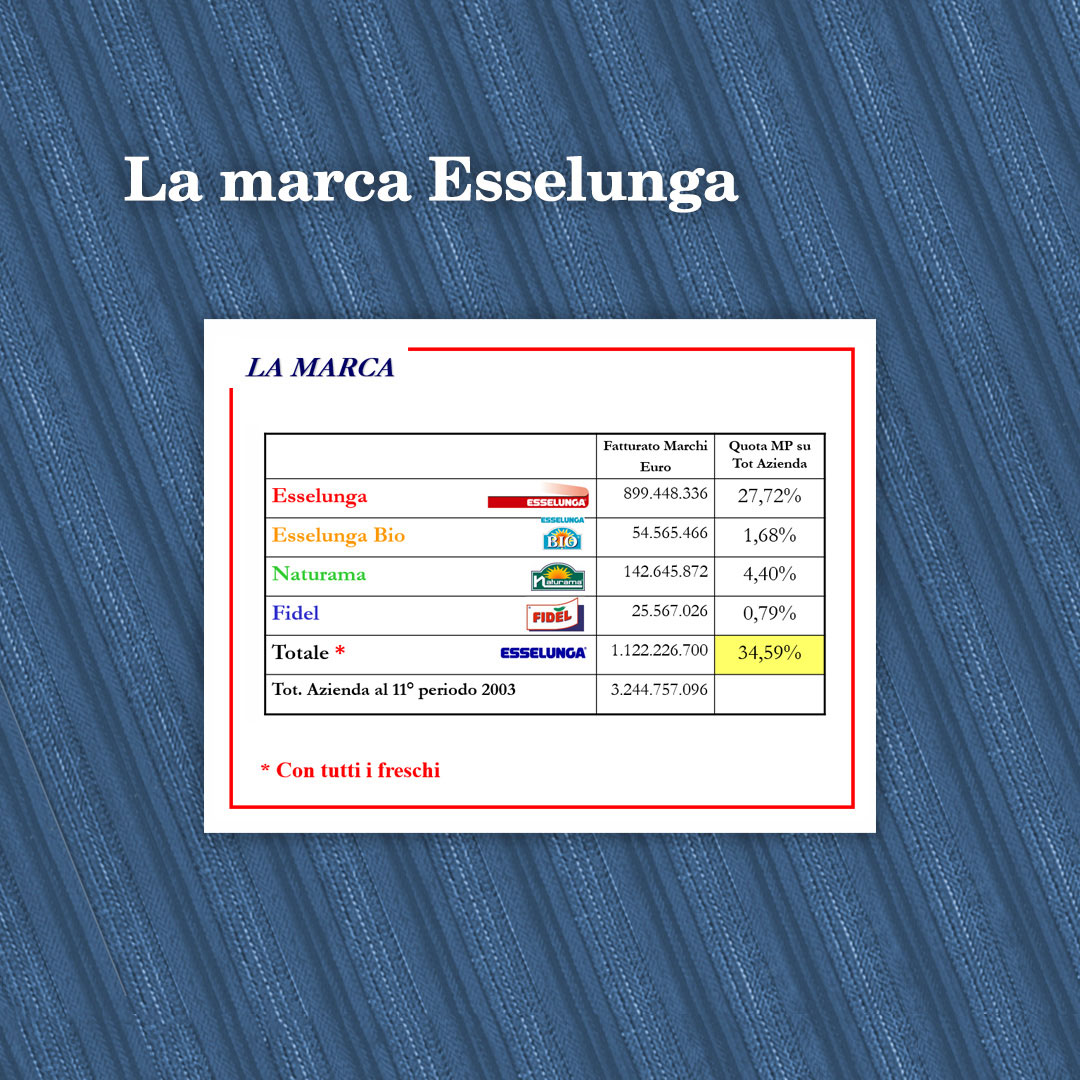
The Esselunga brand is also expressed through private-label products, which now account for 34% of sales. “Naturama” and “Esselunga Bio” account for 10% of food sales, while non-food reaches EUR 700 million in turnover and one third of Ebit (“Earnings Before Interests and Taxes”).