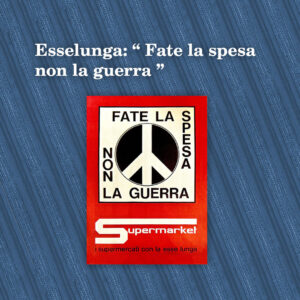
Written in 2019, updated on 30 September 2025
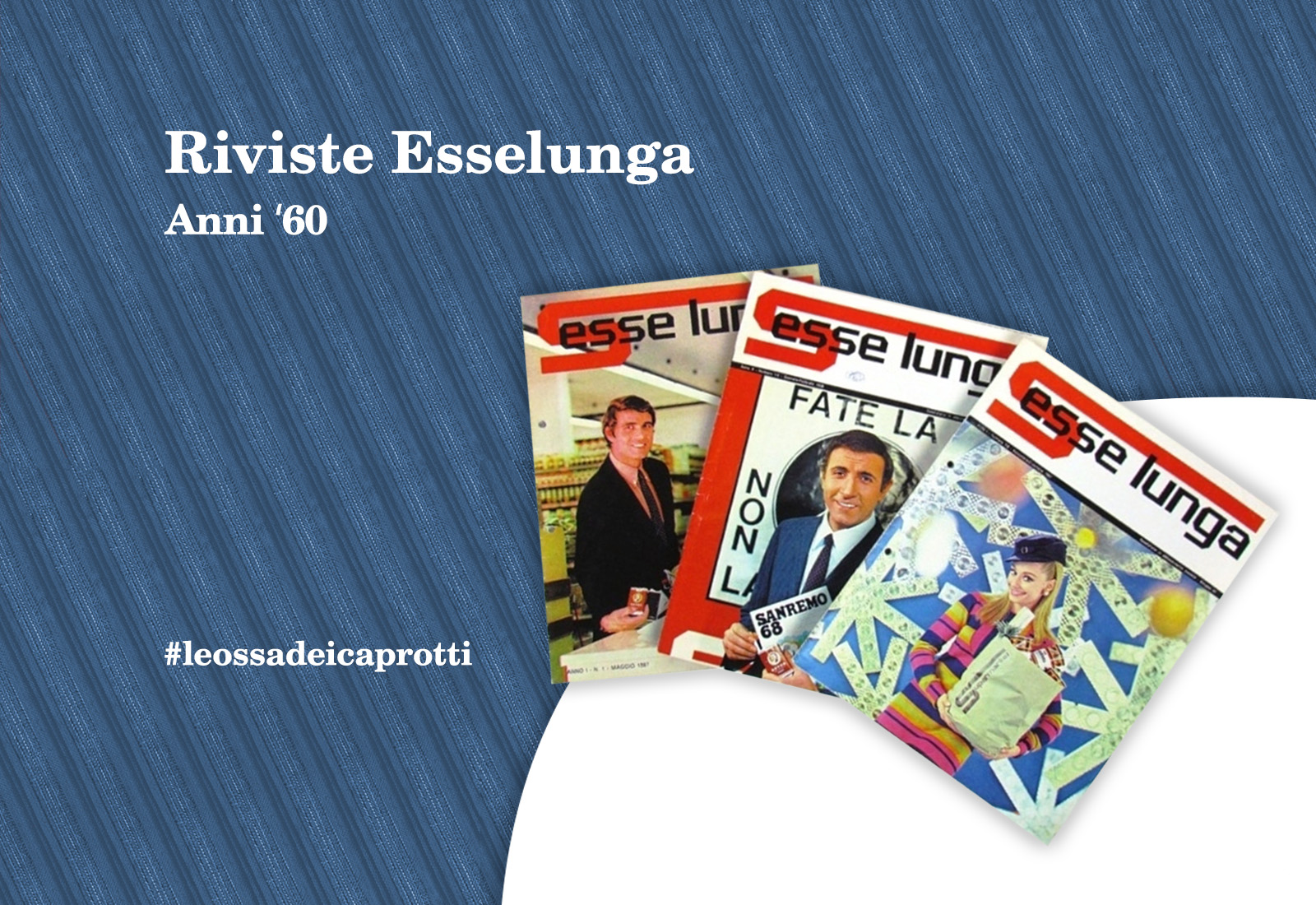
Nino Castelnuovo, Pippo Baudo and Raffaella Carrà on the covers of Esselunga magazines in the 1960s.
This article is dedicated to my eldest son, Tommaso Caprotti, and to everyone I have worked with at Esselunga.
It was written before my father passed away.
The first Esselunga supermarket opened before I was even born, on 27 November 1957
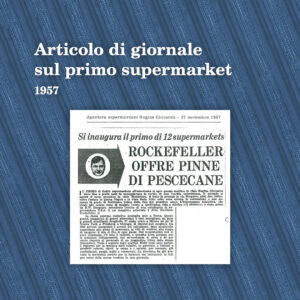
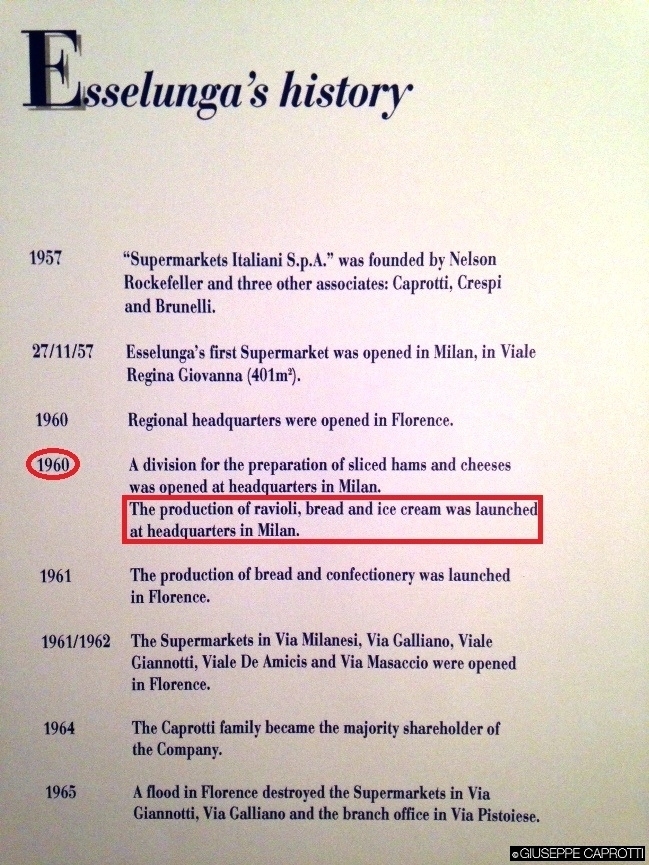
N.B.: ‘Esselunga’, as we know it today, did not yet exist:
the company was called Supermarkets Italiani and was founded on 13 April of the same year with a share capital of 1 million lire, 51 per cent of which was subscribed by Ibec (Nelson Rockefeller), 18 per cent by the brothers Bernardo and Guido Caprotti ( *), 16.5 per cent by Mario and Vittorio Crespi (Corriere della Sera), 10.3 per cent by Marco Brunelli, 3 per cent by Princess Laetitia Boncompagni and 1.2 per cent by Franco Bertolini, the Crespis’ financial adviser.
Source: ‘Shopping the American Way: The Origins of Italian Supermarket Retail 1945–1971’ by Emanuela Scarpelini. Published by Il Mulino, 2001.
(*) together with his brother Claudio Caprotti (who was a minor at the time but gave his consent and subsequently provided the funds to finance the purchase of the company from the Americans).
For the origins of the brand with the long ‘s’, see ‘Caprotti Brand Campaign 1957–1959 – Part Two’
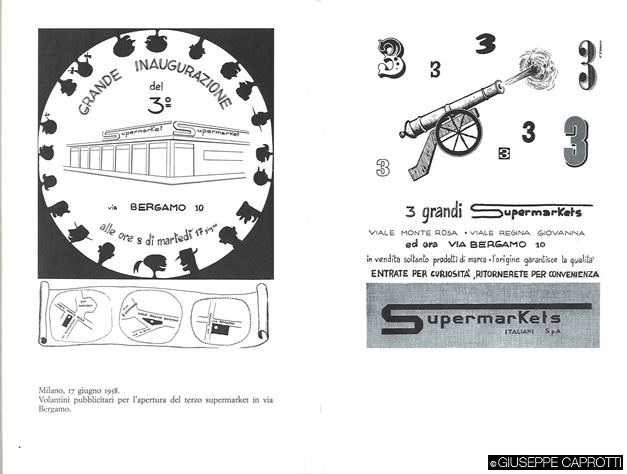
Two leaflets for the opening of the third supermarket, located in Via Bergamo in Milan, in 1958.
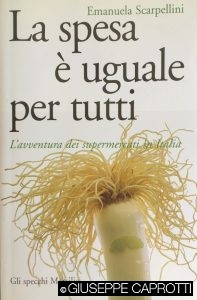
From *La spesa è uguale per tutti* by Emanuela Scarpellini. Published by Gli specchi Marsilio, 2007.
In 1959, there were 27 supermarkets in Italy!…
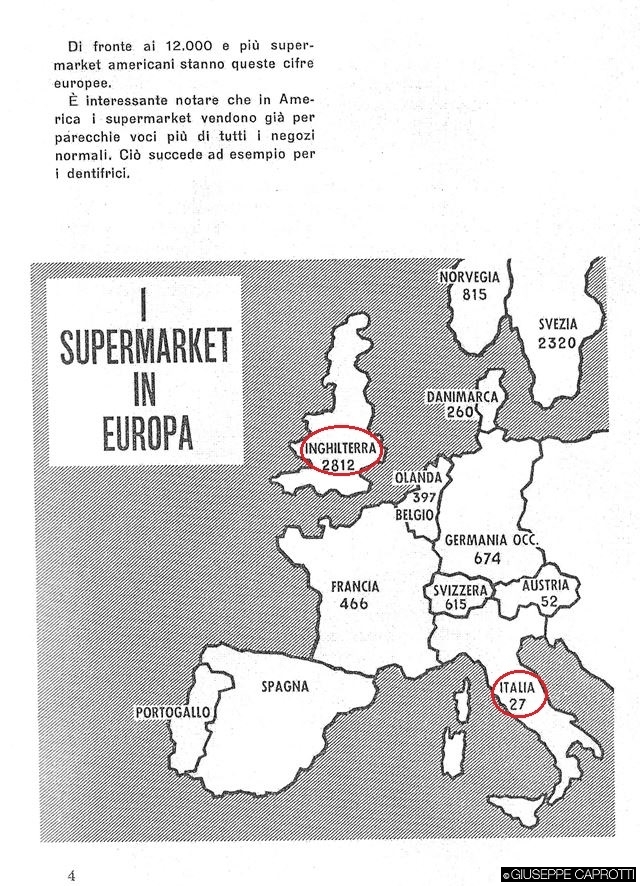
‘Tecnica e progettazione del Supermarket in Italia’ (Supermarket Technology and Design in Italy), Roberto Denti, 1959.
The opening of these new retail spaces was a major event:
customers and onlookers would sometimes travel dozens of kilometres to attend.
This can be seen in this photo of the opening of the Esselunga supermarket in Via Milanesi, Florence, on 9 February 1961
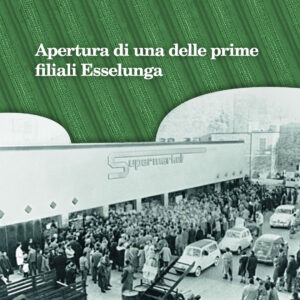
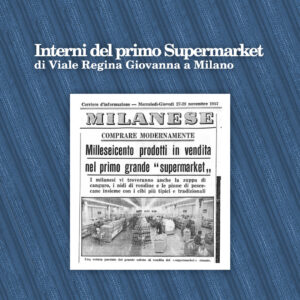
The supermarket on Viale Regina Giovanna (photo below) – today it would be described as a mini-market, given that its floor area is just 400 square metres – is the shopping landmark of my childhood, during which Esselunga was already firmly established.
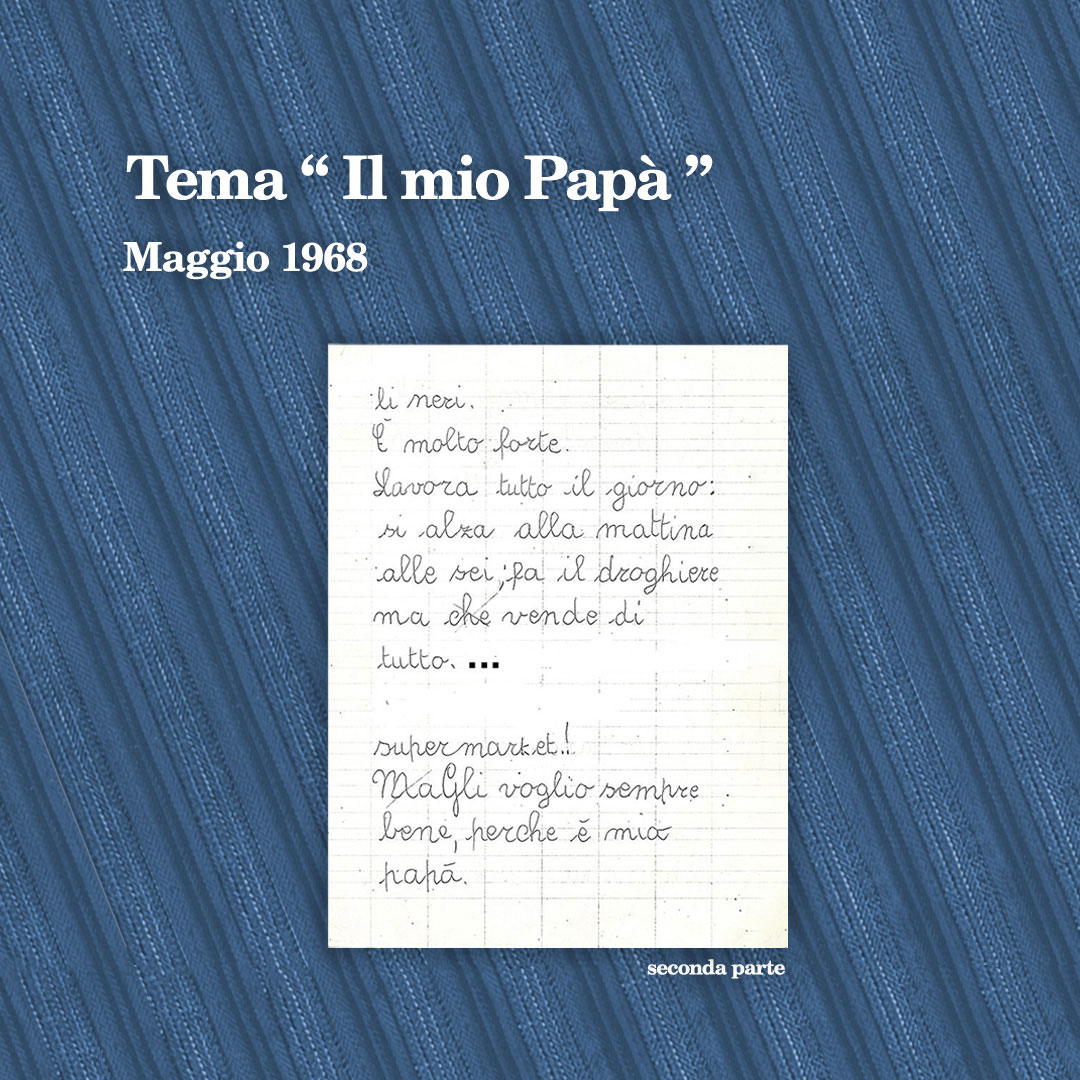
In fact, this is what I wrote about my father in a school essay in 1968, when I was seven:
“My dad’s name is Bernardo…”
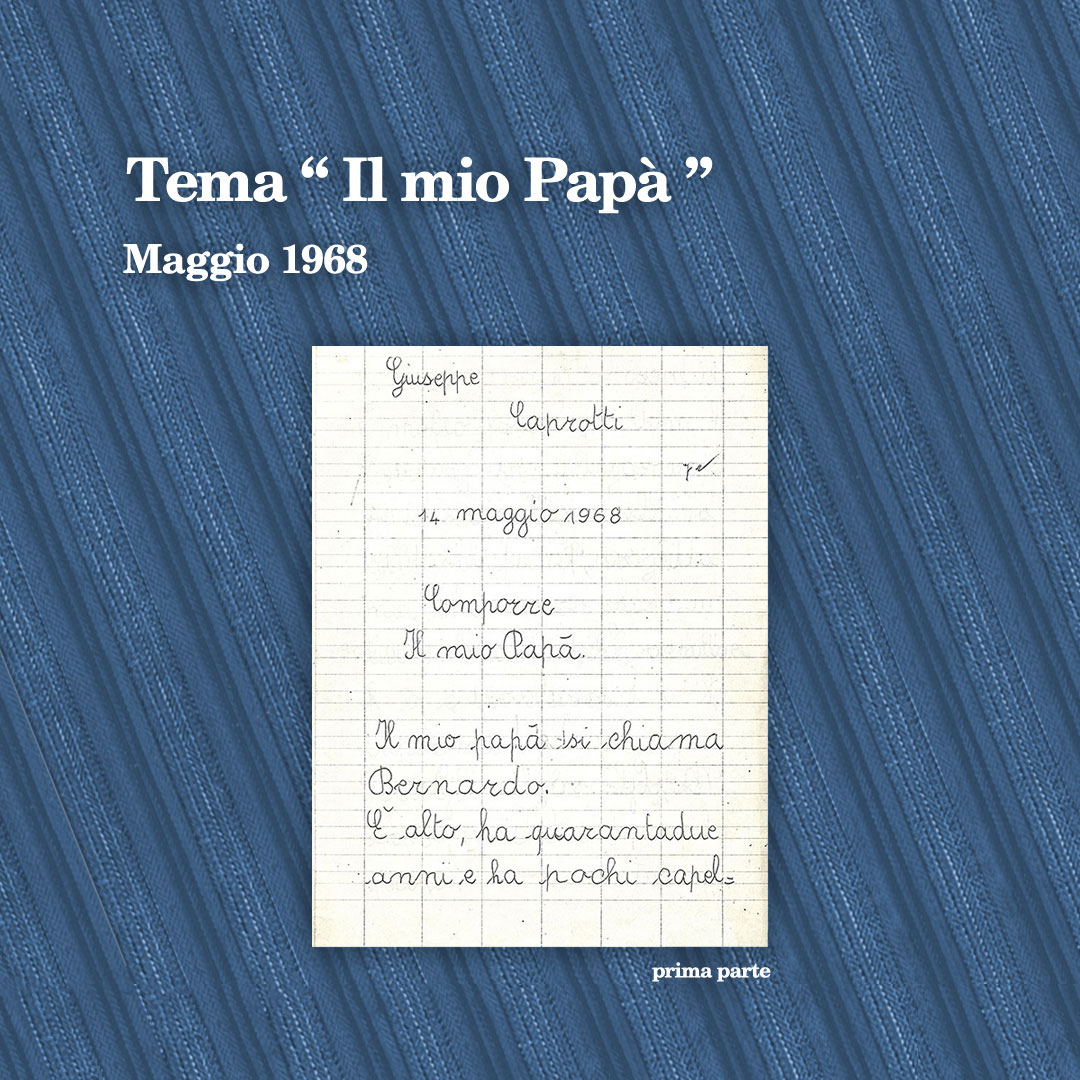
“…he works all day, gets up at six; he’s a grocer but he sells everything”
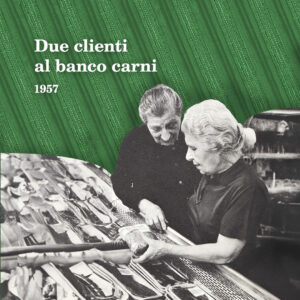
The shelves and customers at Esselunga back then …
These were the years of the adverts for packaged supermarket products featuring the ‘long S’…
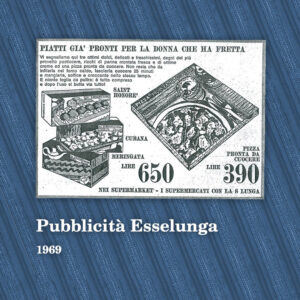
which were intended to replace the fresh, home-made produce prepared weekly by housewives.
From a 2002 Esselunga brochure for the ESD Italia purchasing centre
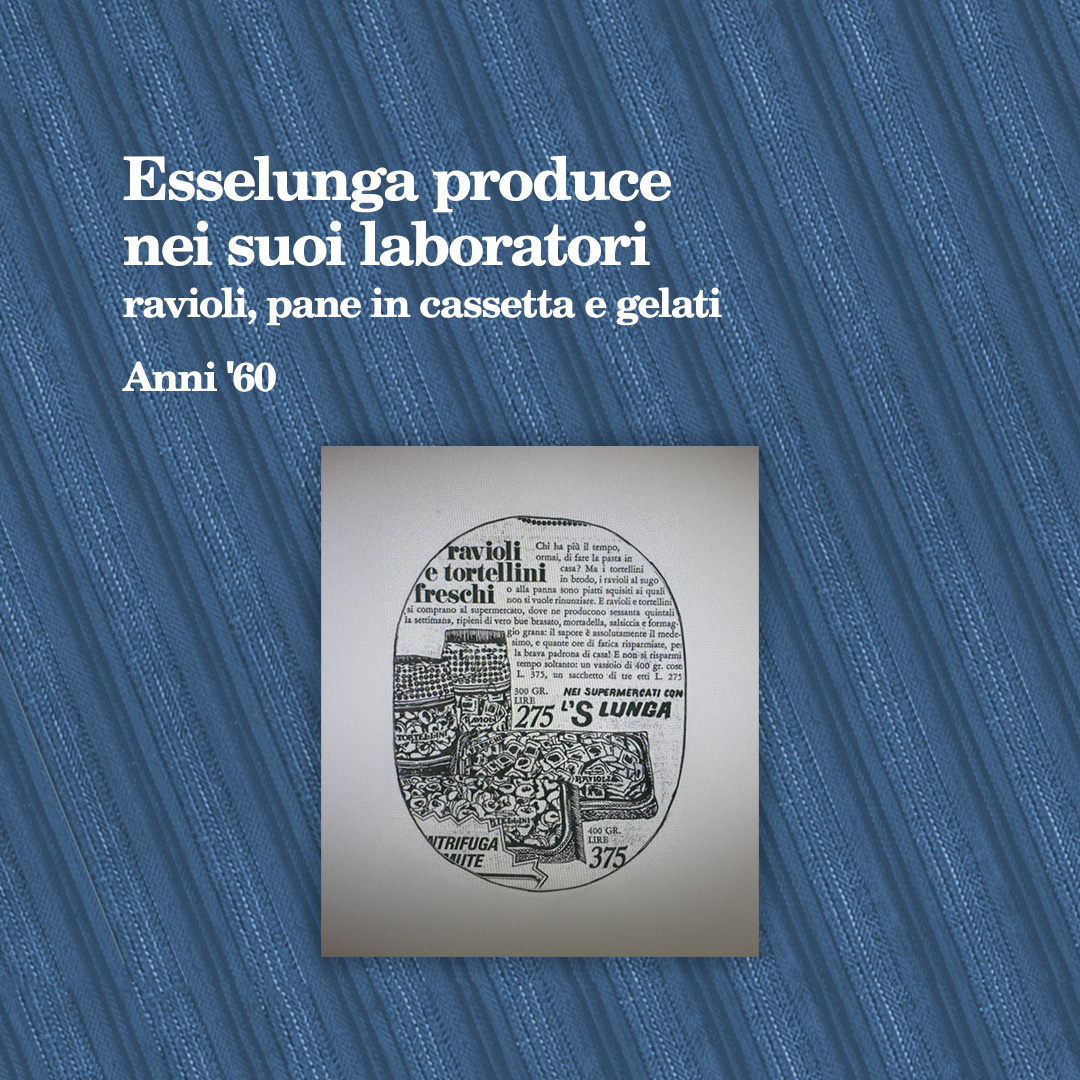
These items were impossible to find in Italy, and the American managers (such as Richard W. Boogart, mentioned above in the article on Regina Giovanna), who ran the company until 1965, decided to produce them ‘in-house’.
It is fair to say that these products represent the very first beginnings of private-label branding in Italy.
Over the years, the company used made-up brand names such as Nutron, Briciola, Maggiolino, Kekasa, Naturama, etc.
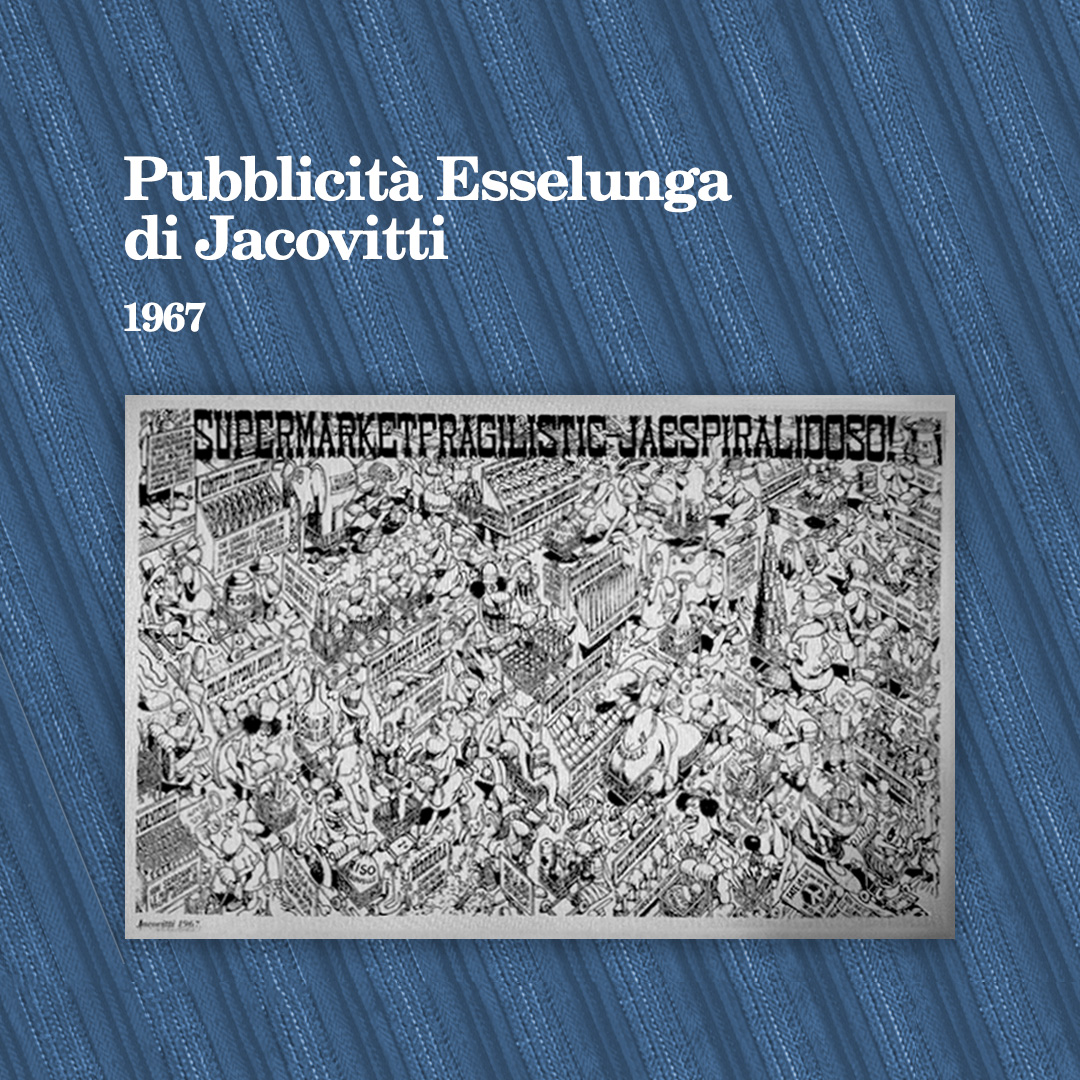
A 1967 advert by Jacovitti
Esselunga immediately realised that, in Milan, it was necessary to meet the needs and desires of the various local communities (*) who had migrated to the city: Sicilians, Tuscans, people from Campania, people from Puglia…
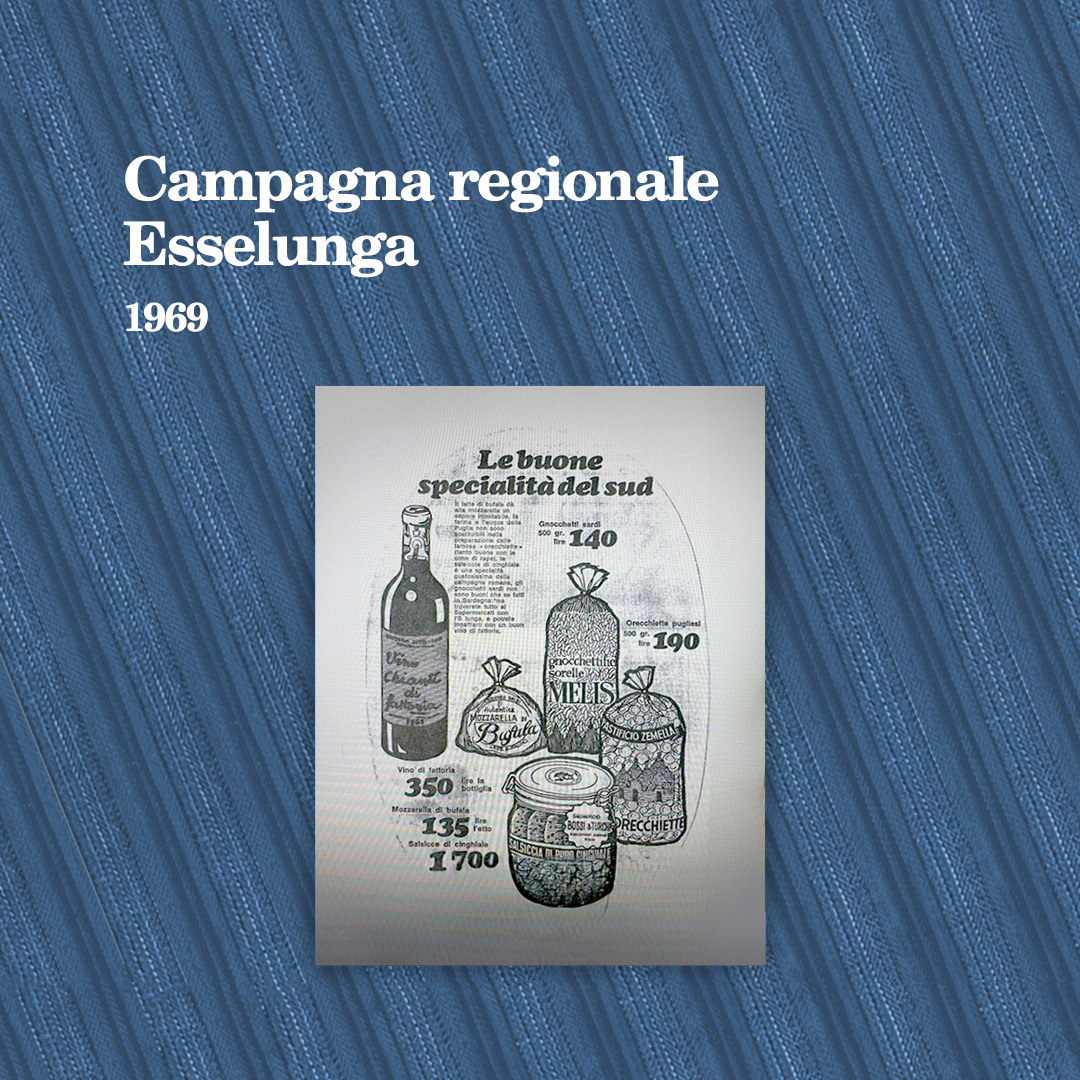
(*) Each area has its own ethnic group: Garbagnate is home to people from Campania, Cologno Monzese to those from Calabria, and so on.
Esselunga’s subsequent campaigns – tailored region by region, featuring both food and non-food products – form part of my indelible childhood memories.
The regional campaigns came to an end in the 1980s (I’ll return to the theme of localism in a different way in the 1990s).
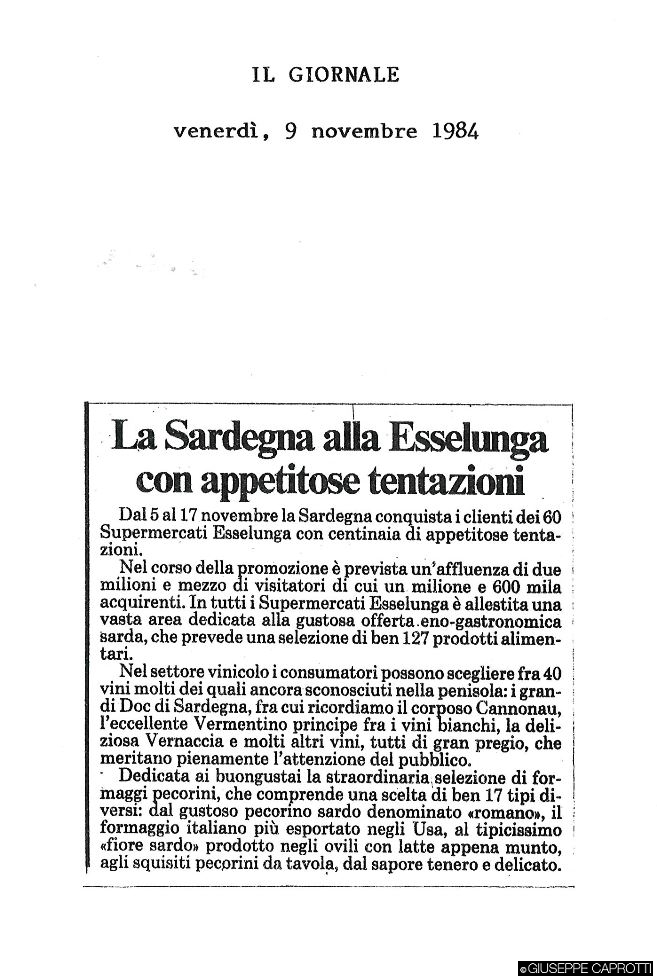
All these campaigns were overseen by Mr Aldo Ferraro [ /vc_column_text]
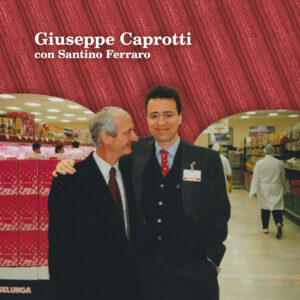
Going back to the 1960s and 1970s, the products were tested at home because Bernardo Caprotti would come back to have lunch with us – my sister Violetta and me – every day at midday:
there was no canteen at the company yet, and there was no traffic on the streets of Milan!
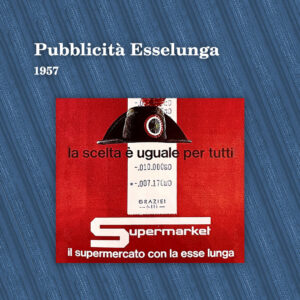
Esselunga meets the needs of local communities but also stocks many international products such as plum cakes, Hero jams and French cassoulet
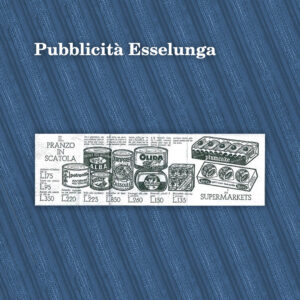
The ‘mille lire lunghe’ campaign is also a wonderful childhood memory.
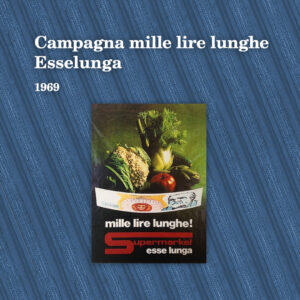
The campaign ran from 1969 to 1971 and, not coincidentally, the posters featured products in the background that conveyed a sense of freshness – a quality that would become one of the company’s key strengths.
And it was during this campaign, curated by Alberto Gandin, that the name ‘esse lunga’ was coined.
The slogan was ‘Come and spend 1,000 “lunghe” lire at the supermarket with the “esse lunga”’.
From that moment onwards, customers began to refer to the supermarketsas “Esselunga”, which would become the name of the operating company, whilst the holding company would continue to be called Supermarkets Italiani.
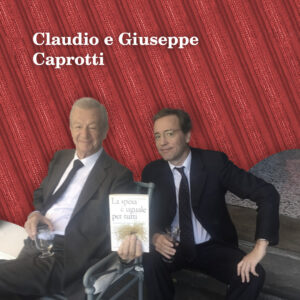
Source: Claudio Caprotti – pictured below – the younger brother of Bernardo andGuido Caprotti.
Claudio Caprotti was
- a financial backer, alongside his two brothers and his grandmother Marianne Maire Caprotti, in the acquisitionof the majority stake in Supermarkets Italiani – later Esselunga – in the 1960s and 1970s .
- manager of the Florence branch until 1972
- a partner at Esselunga from 1957 until the early 1980s.
- He learnt the trade at A&P in Philadelphia and the Colonial Stores in Atlanta, Georgia
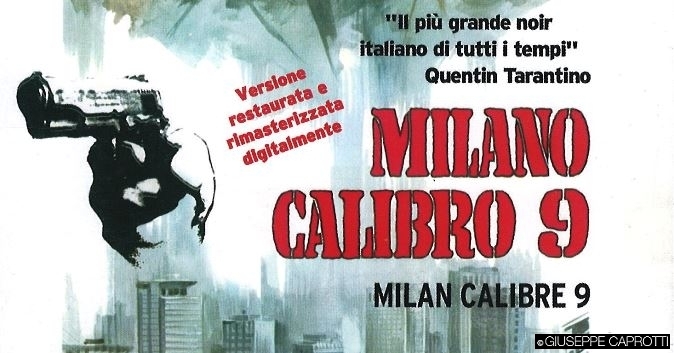
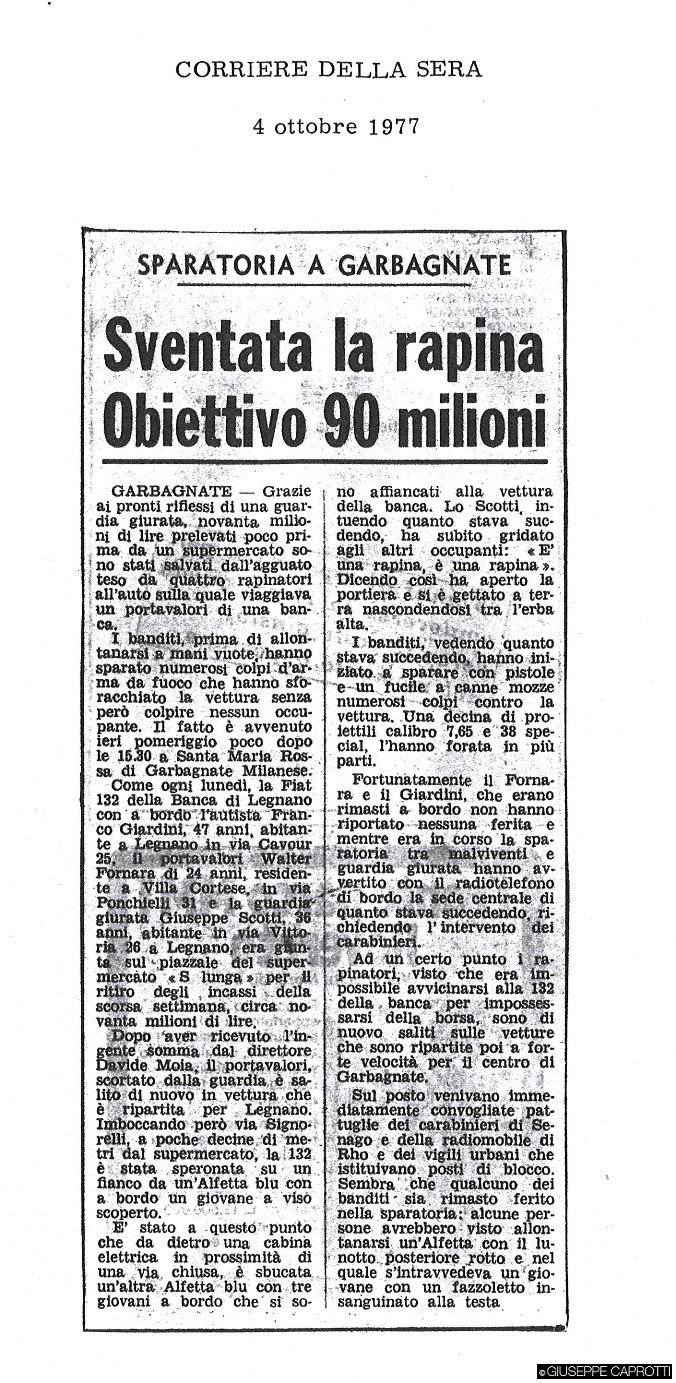
The relatively peaceful period of the 1960s was followed by the much more turbulent era of the 1970s, with the robberies carried out by the Cavallero and Vallanzasca gangs…
Supermarket managers would ring my father in the evenings to report the robberies:
it all began in Via Forze Armate…
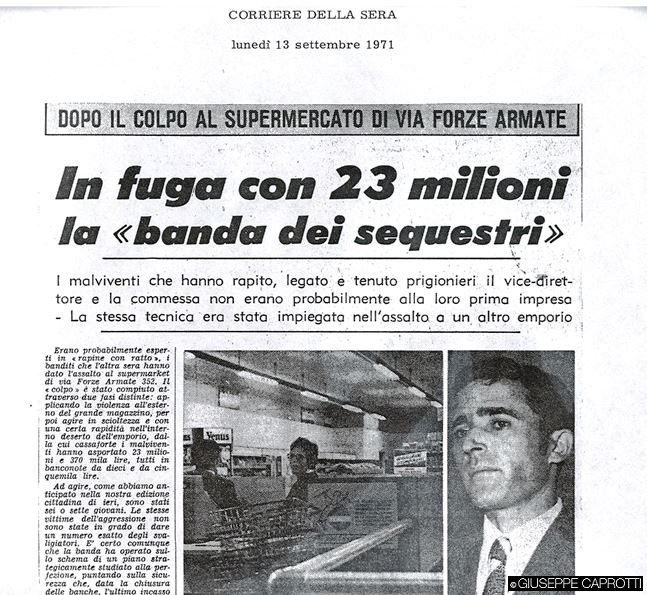
In the photo, on the right, is Mr Remollino, whom I had the pleasure of meeting at work ( in the Marketing department) at Esselunga.
And it continues on Viale Papiniano
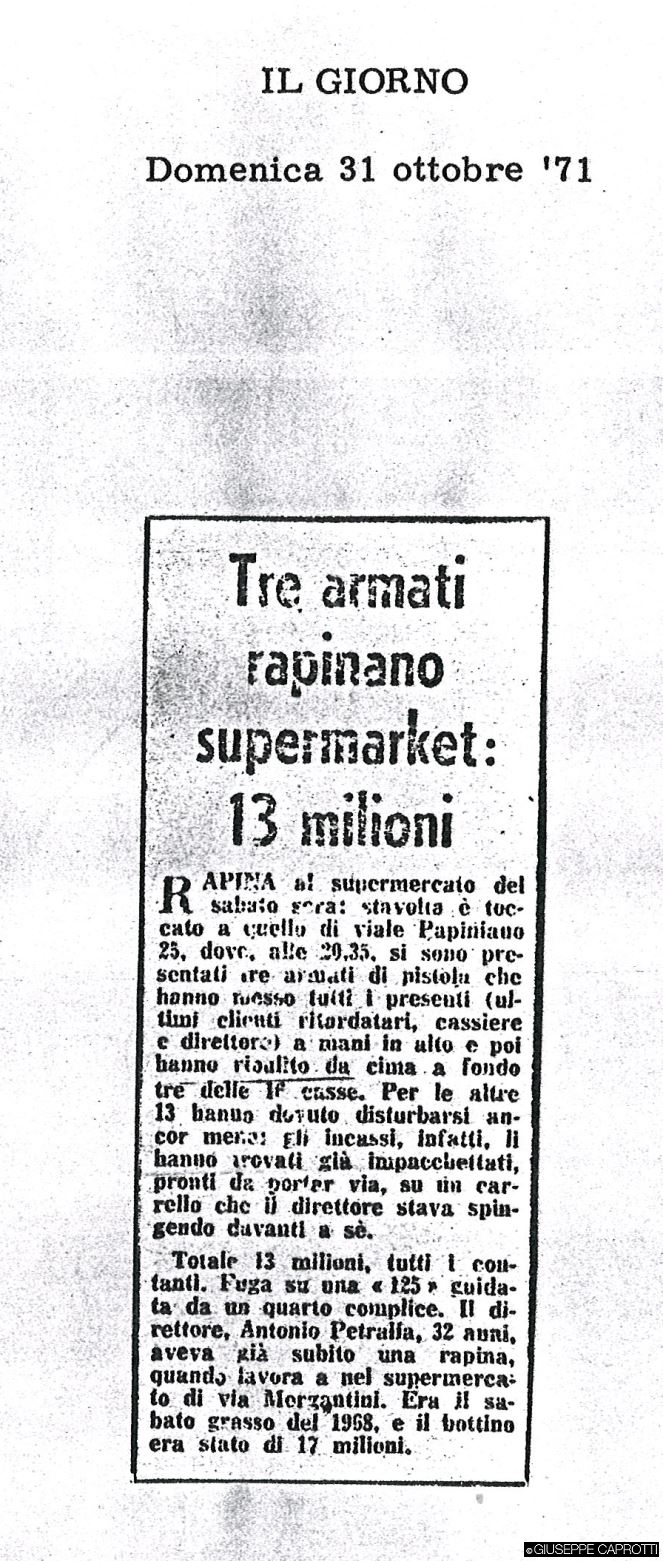
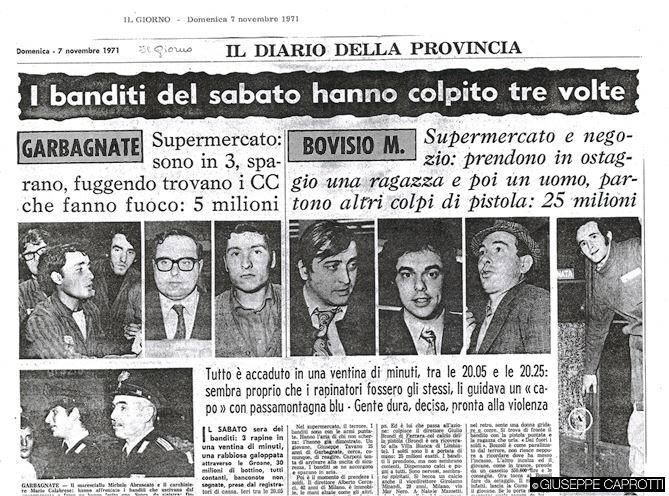
There’s a shoot in Garbagnate…
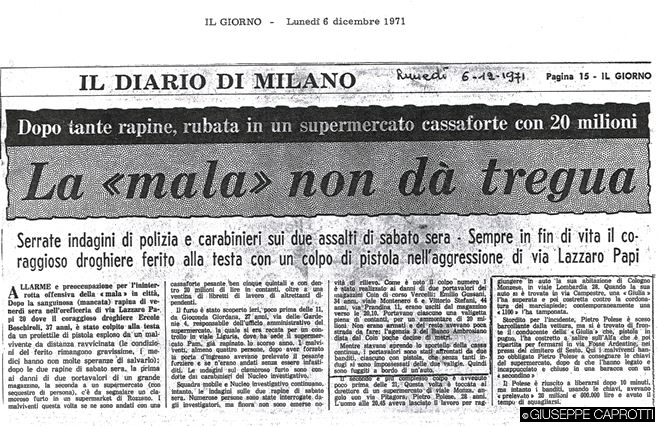
… a safe is stolen in Milan
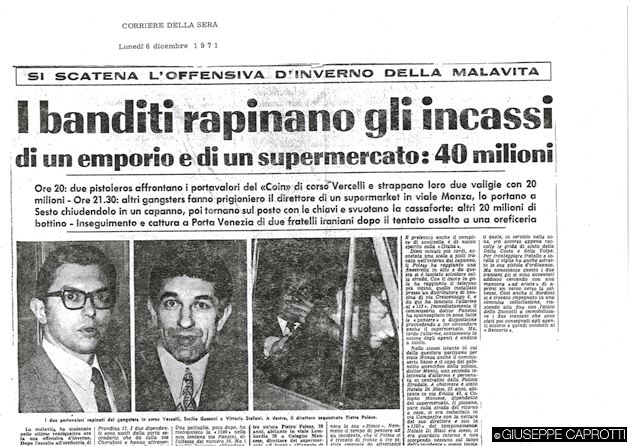
There’s been another shooting on Viale Monza…
In Quarto Oggiaro, the first of two robberies at the Esselunga supermarket is carried out by the Vallanzasca gang.
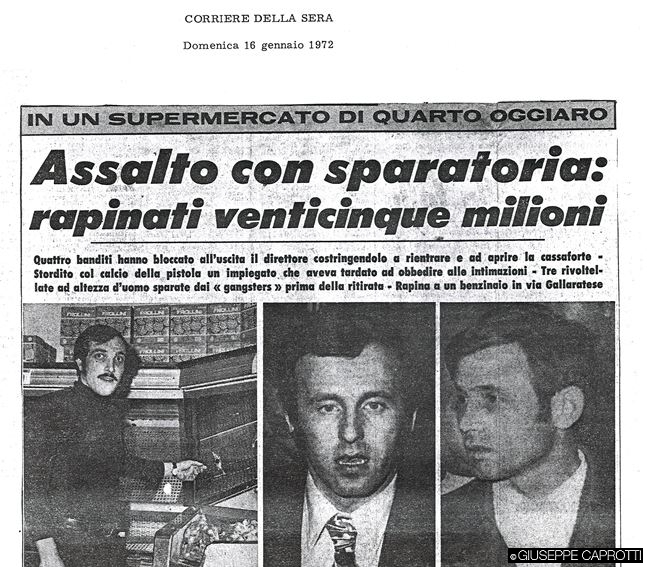
In the photo, in the centre, is Mr Enrico Sgarella, whom I later had the pleasure of meeting at work at Esselunga
There is another shooting on Viale Vigliani…
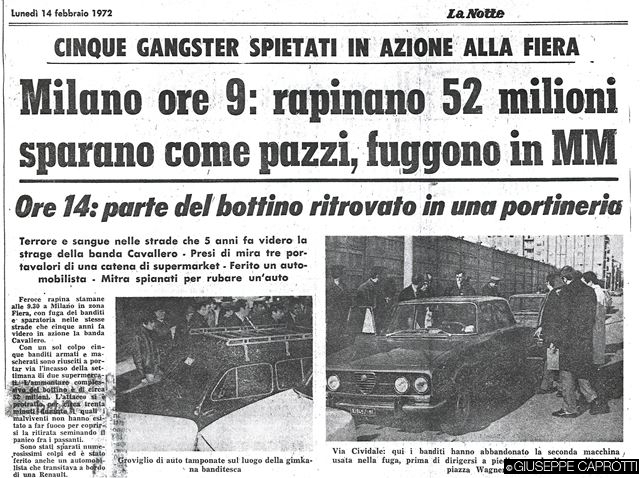
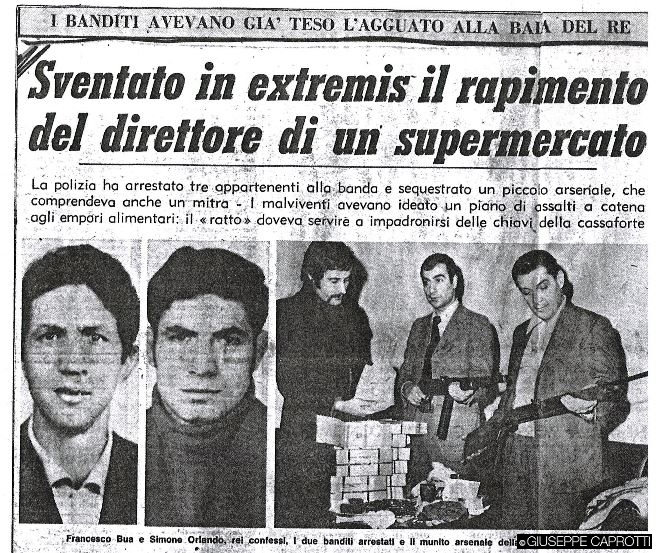
… Three bandits armed with rifles are arrested in Via Pezzotti…
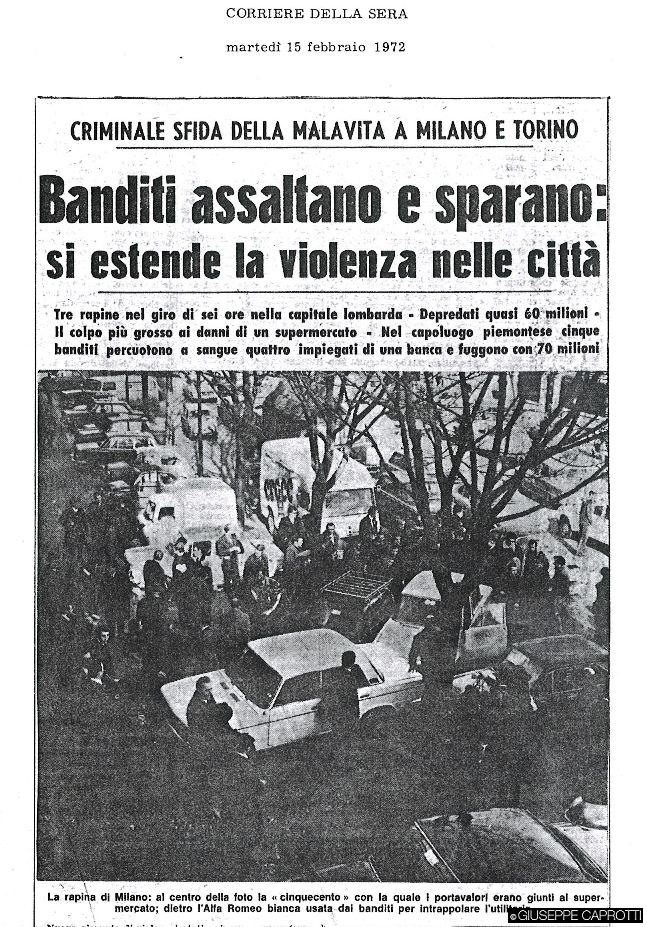
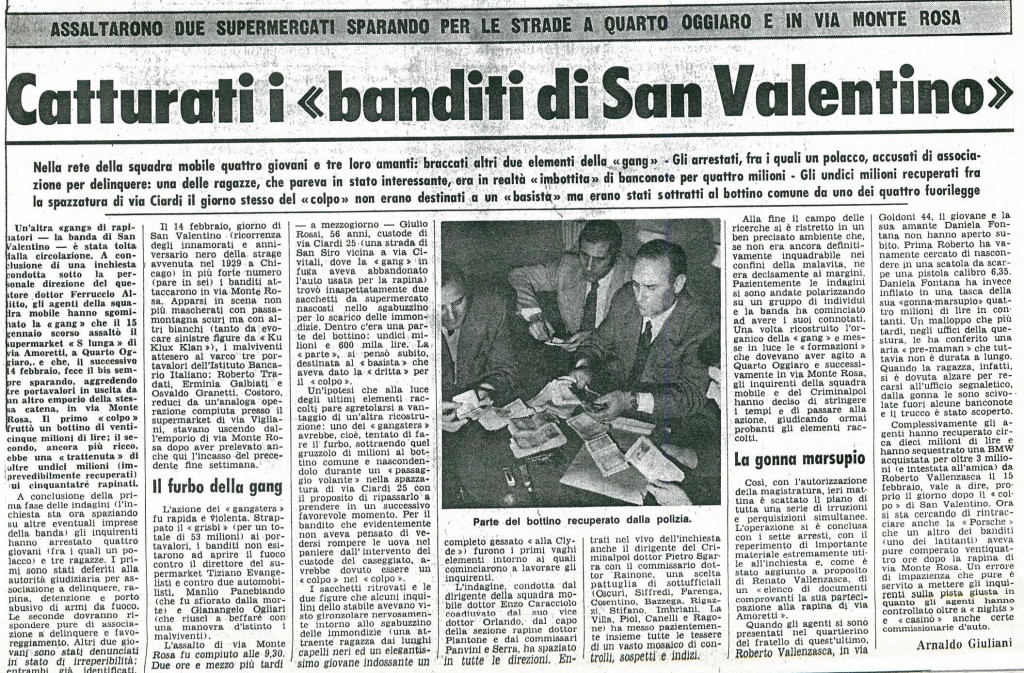
whilst the second Vallanzasca robbery takes place in Via Monterosa and is known as the ‘Valentine’s Day robbery’ because it was carried out on 14 February
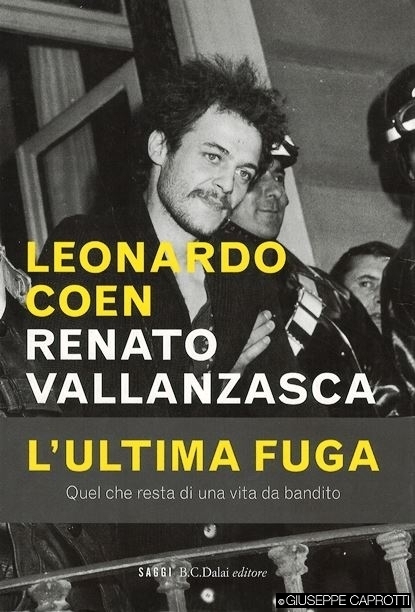
Vallanzasca, in *L’ultima fuga*, describes it as:
“a Piedigrotta-style party. Bullets were raining down everywhere; it was hell”.
(The episode is also recounted in *Le Ossa dei Caprotti* on page 98).
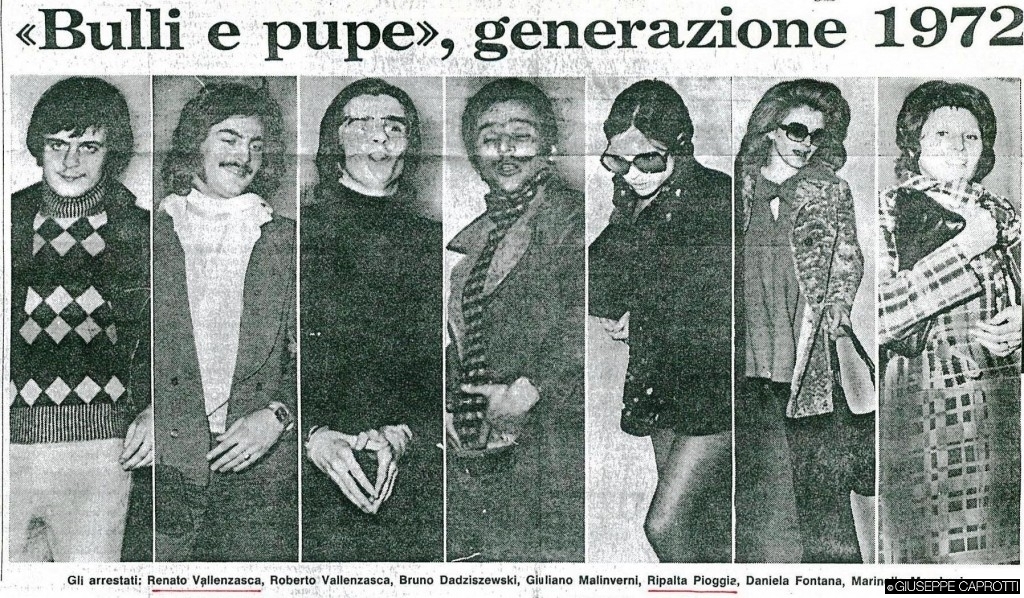
A few days later, on 29 February 1972, the entire gang was arrested:
Roberto, Renato Vallanzasca’s brother, had been foolish enough to buy himself a Porsche straight after the robbery …
The handsome Renè was 22 at the time.
His girlfriend, Consuelo Ripalta Pioggia, was just 17!
The gangsters of that era also provided inspiration for the cinema, giving rise to the ‘poliziottesco’ genre
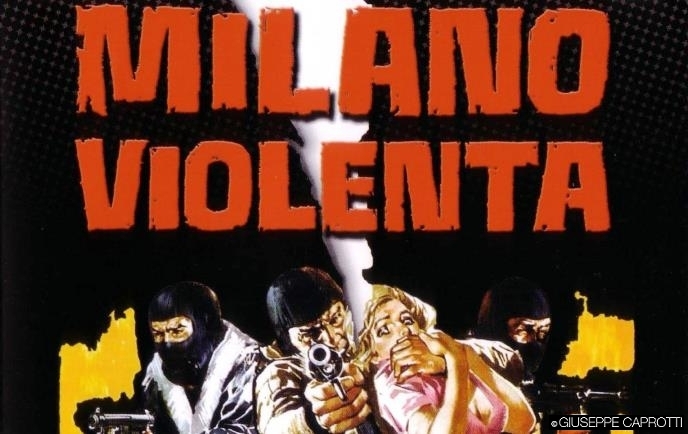
The portrayal of the hooded bandits in *Milano Violenta* is no coincidence:
the members of the Vallanzasca gang, during the Viale Monterosa robbery, had their faces covered with balaclavas …
You can also read this article about how Renato Vallanzasca’s ‘career’ began and ended at Esselunga.
But this is not just an era of banditry…
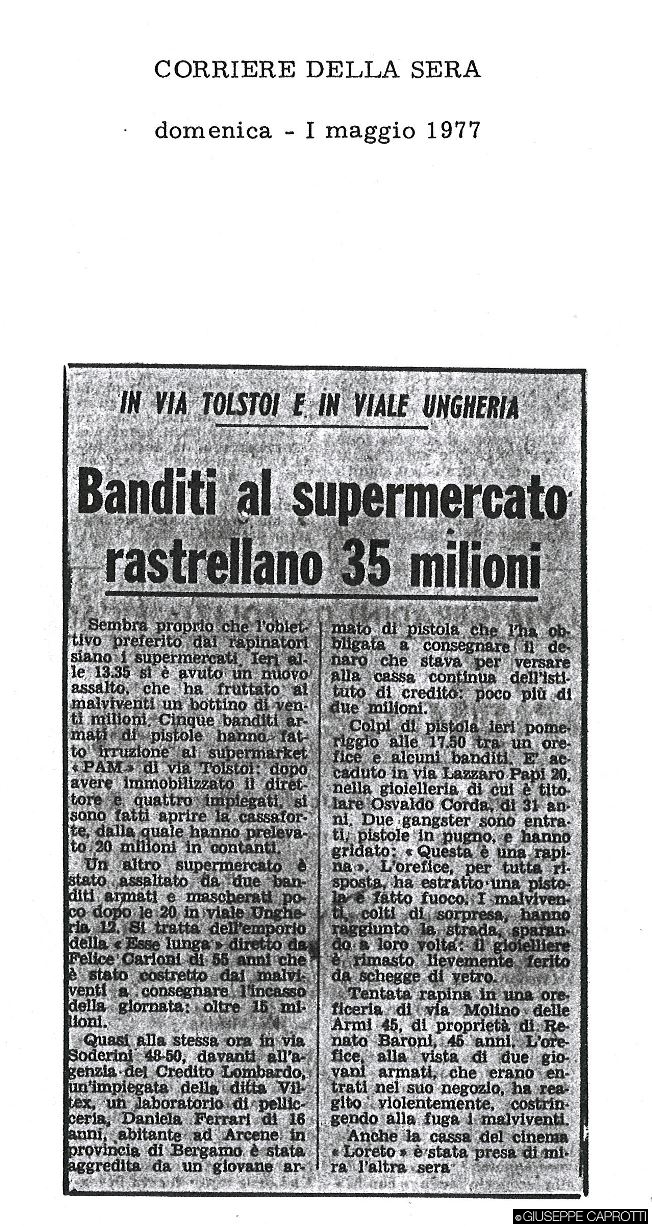
It was also a time of political violence, with Esselunga subjected to an endless series of strikes and proletarian expropriations
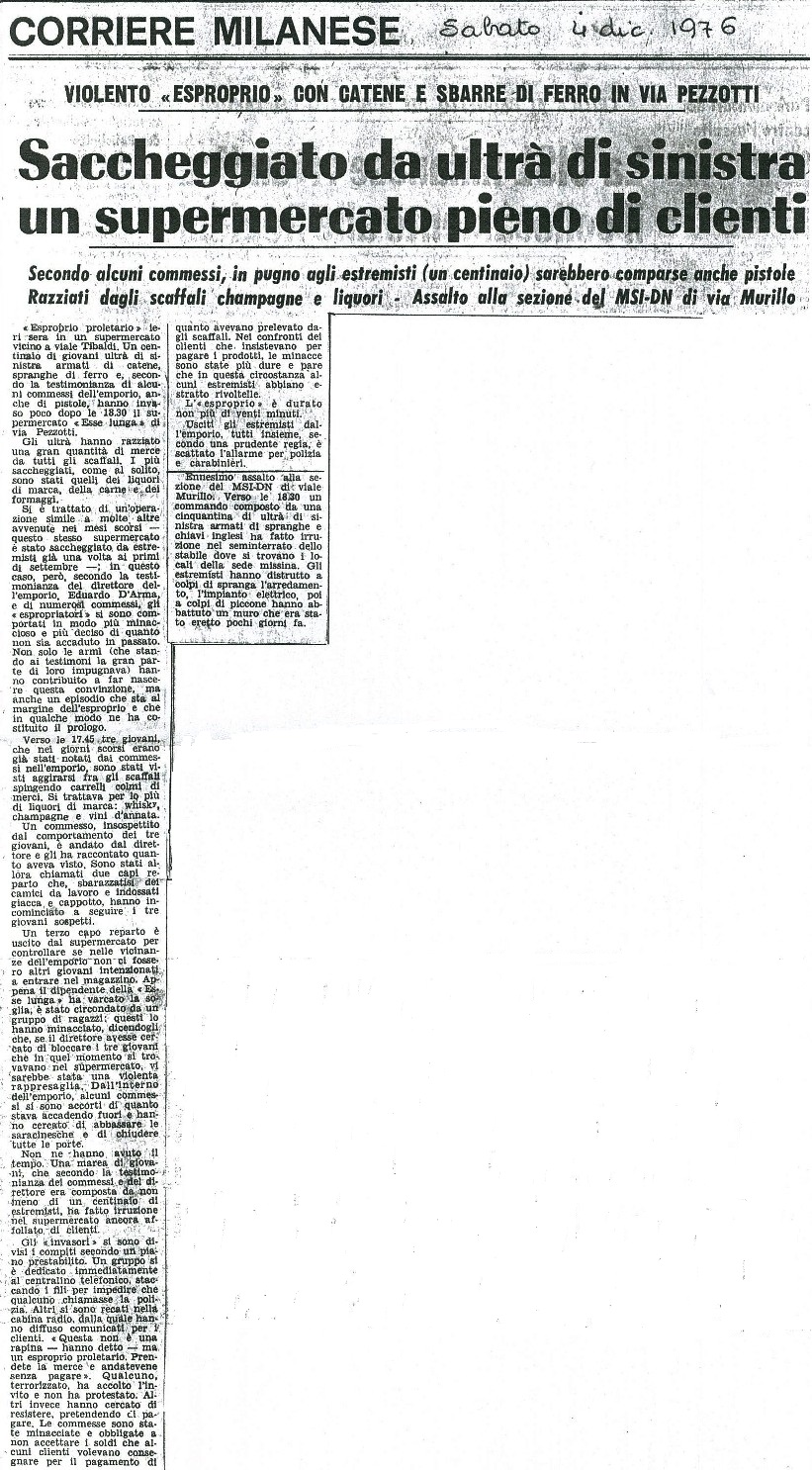
The far-left extremist Marco Barbone is one of the key figures behind these ‘expropriations’ (and in my book *Le Ossa dei Caprotti*, on page 98), where people would often enter a supermarket, fire shots into the air to frighten the staff, and then steal valuable goods.
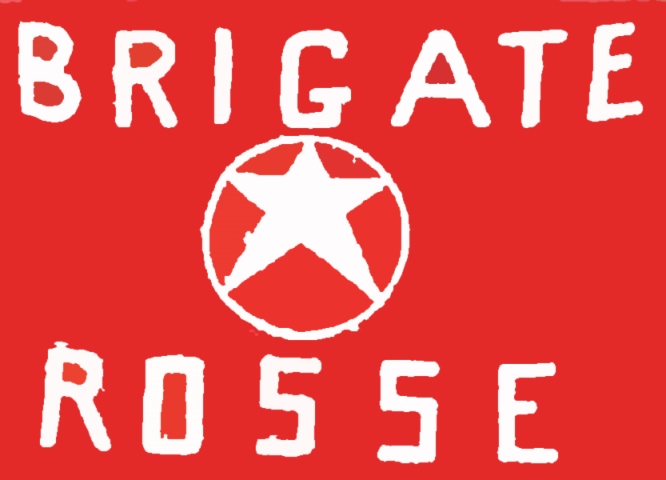
It is likely that, at this time, some of these robberies were used to finance the Red Brigades (BR) or other organisations engaged in armed struggle
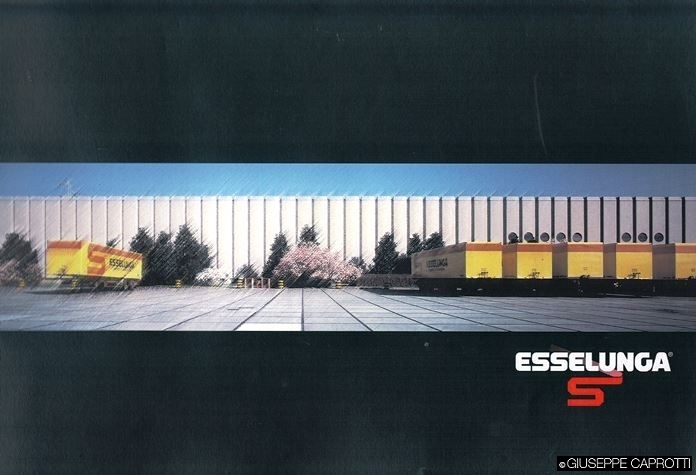
One of my fondest memories of the 1970s is visiting the warehouse in Limito with my father and our dog
In 1978, the collaboration with the Armando Testa agency began; from then on, they were responsible for the group’s image
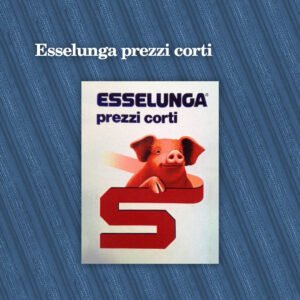
In 1986, I started working at Esselunga.
Thanks to the foresight and tenacity of Bernardo Caprotti and the dedication of the majority of its staff, the company is winning the battle against the trade unions.
Below is an account of an attempted extortion which, unfortunately, will not be an isolated incident.
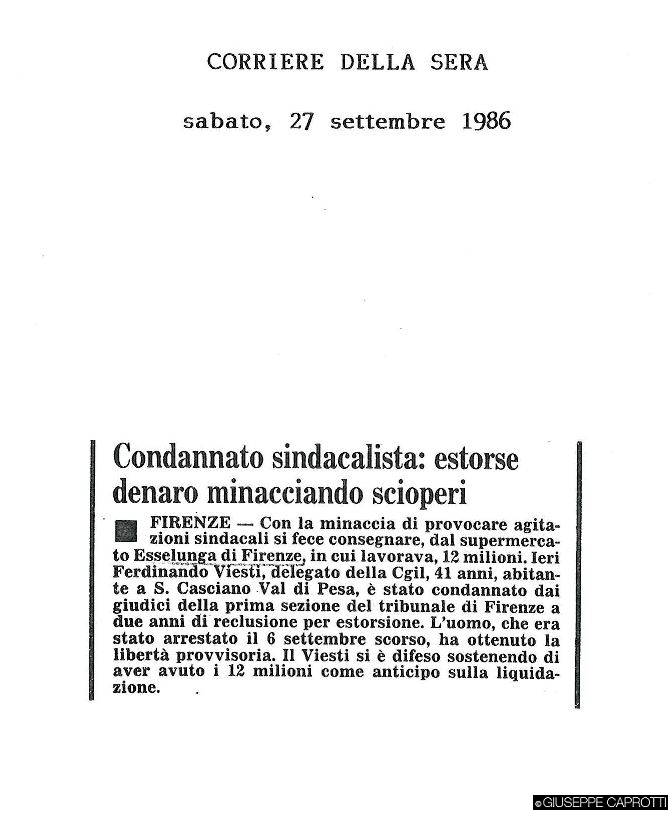
Ferdinando Viesti, a CGIL representative, received the 12 million but, upon delivery of the money, found not only some Esselunga officials but also the Carabinieri. He managed to escape capture, but the banknotes were marked and he was arrested.
The era of kidnappings (when I was in Milan, at the Leone XIII school, there was an attempted kidnapping against me) and the Red Brigades is, thankfully, over, but the strikes continue:
in 1987, with Mr Luigi Guaitamacchi, the long-serving director of meat and related products procurement (pictured with me below),
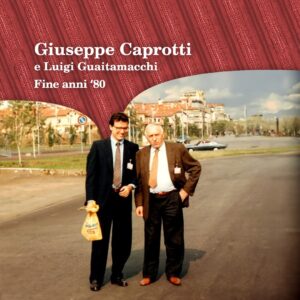
I was one of the few to enter the Esselunga store in Limito di Pioltello during a strike with picket lines and red flags.
This led to a row with the trade unions, and the whole affair ended up on Radio Popolare.

In the early 1990s, in Florence, I was instead the subject of an ‘ad hoc’ strike:
in Via De Amicis, the staff, seeing that ‘the boss’s son’ had entered the supermarket, went on strike and walked off the job.
During another strike, outside Via di Novoli, also in Florence, I was physically assaulted.
However, these were the final “remnants” of an era – one of extreme violence – that seemed (*) to be drawing to a close:
in 1989, the first superstore opened, and Esselunga is entering a new phase characterised by the expansion of its product ranges and retail space, new services and a focus on quality.
(*) Every now and then, in this country, the past resurfaces: I happened to be attacked by a Leoncavallo supporter as recently as five years ago, when I still ran a restaurant in Milan, on Viale Pasubio.
To find out more:
From Supermarkets to Superstores 1 and subsequent instalments up to From Supermarkets to Superstores 5
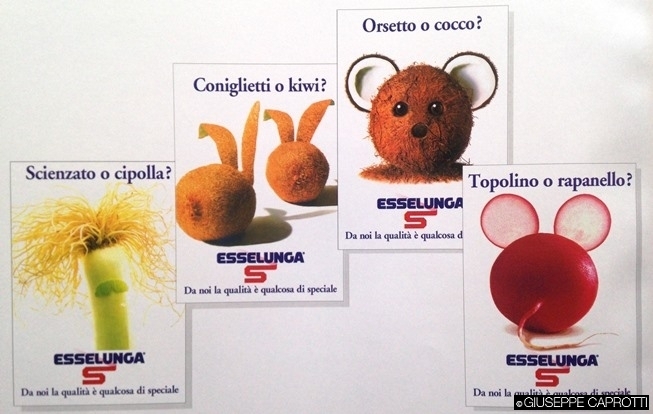
…but also:
Esselunga and e-commerce, or Esselunga at home
Esselunga Bio, the organic adventure
For contributions received at the ESD Centre, see Esselunga versus Coca-Cola
For the origins of supermarkets in Italy and the atmosphere of those years, I recommend *Le Ossa dei Caprotti*.
And the fact that people still talk about ‘the years of Giuseppe Caprotti’ today pleases me …
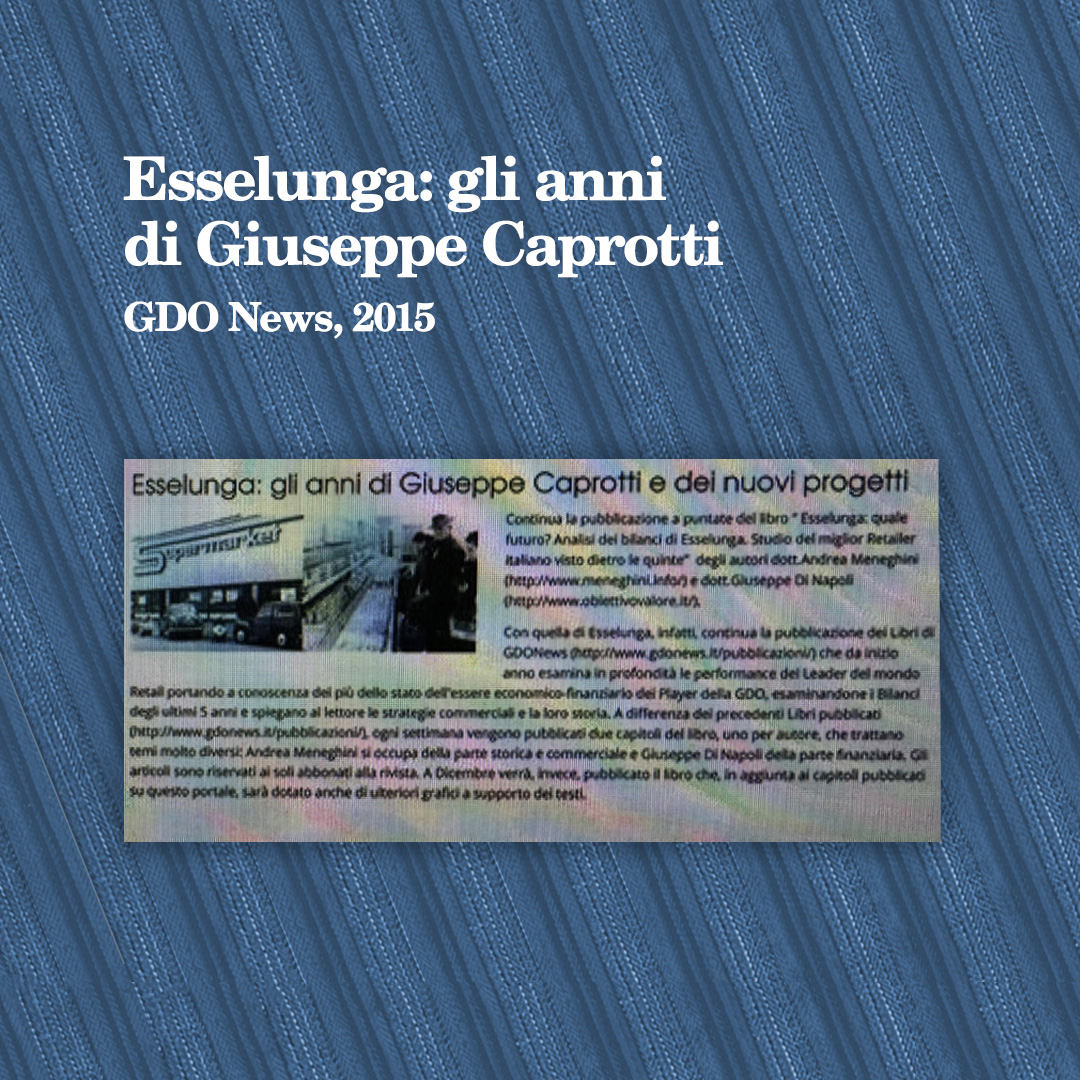
Andrea Meneghini has also written *Esselunga: The Years of Crisis and the Future*.
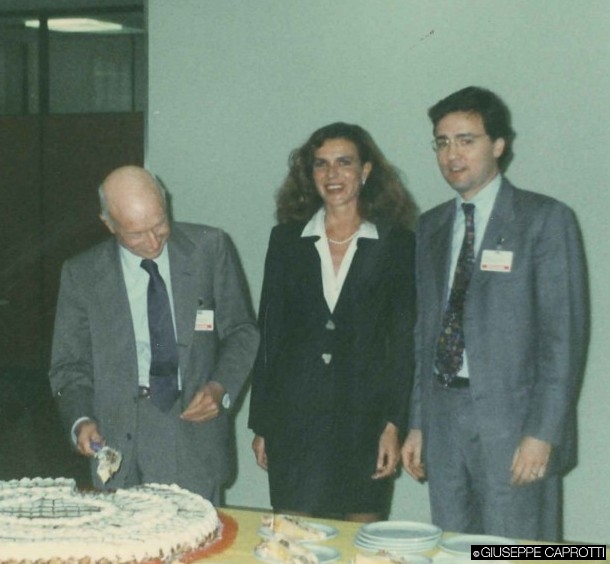
Bernardo, Violetta and Giuseppe Caprotti in 2000.
All the material forms part of Giuseppe Caprotti’s archive
With contributions from Guido Alberti, Eleonora Sàita and Roberta Liberale.